(In English Below)
Det är tidigt på morgonen, dimman ligger fortfarande kvar över klipporna, och fötterna sjunker lätt ner i den kalla sanden. Just då, i den tystnaden, krymper alla planer till något litet. Som om världen påminner om att den är större än det vi hade tänkt ut.
Sådana ögonblick hittar man ofta vid havet. Där hav och himmel möts i en horisont som aldrig håller stilla. Ljuset skiftar från minut till minut. Vinden ritar nya mönster över vattnet, om och om igen. Och vågorna kommer alltid, tysta och envisa, för att sudda ut gårdagens fotspår och göra plats för morgondagens.
Kanske är det därför människor i alla tider har sökt sig till havet. Inte bara för att resa eller fiska, utan för att tänka. För att känna saltet på huden, vindens sus mot örat, den kalla klippan under handen när man sätter sig ner.
Hur vi förhåller oss till stunden avgör om den blir meningsfull eller inte. Att orientera sig – i världen, i tiden, i sig själv – är på många sätt den svåraste konsten av alla. Vi famlar, vi tappar riktningen, vi börjar om. Och just däri, i famlandet, finns vår största möjlighet att växa.
Den som färdas till havs vet att riktning sällan handlar om kontroll. Ingen kan styra vinden eller stilla vågorna. Det handlar istället om att läsa omgivningen, förstå strömmarna och justera kursen när förutsättningarna förändras.
Kanske är livet inte så annorlunda. Vi styr sällan – vi läser och justerar, gång på gång.
Där fotspår blir kartor
Ingen karta har funnits från början. Varje stig vi går har en gång varit ett första steg, taget av någon som inte visste vart den skulle leda. Varje hamn har en gång varit okänd vatten. Kartor skapas av människor som vågat ge sig ut utan garantier, som lämnat spår efter sig och därmed gjort det möjligt för andra att hitta vidare.
Så är det också med våra liv. Våra erfarenheter, våra möten och våra vägval blir till osynliga kartor som hjälper oss att orientera oss när landskapet förändras under fötterna.
Dessa berättelser finns överallt, om man bara saktar ner nog för att se dem. Havet har format klipporna, sten för sten, år efter år. Stenhuggare har format berget med sina händer. Fiskare, seglare och badgäster har lämnat sina avtryck i sanden och i minnet. Varje generation har satt sina spår och samtidigt blivit formad av platsen.
Det är denna dialog mellan människa, natur och tid som fascinerar mig mest. Inte som ett facit – utan som en inbjudan.
Att gå vilse för att hitta
Det verkligt okända är inte något vi kan planera oss fram till. Att gå vilse är inte alltid ett misslyckande. Ibland är det själva förutsättningen för att upptäcka något nytt.
Det finns en gammal fråga som lyder: hur går man tillväga för att finna det vars natur är fullständigt okänd för en? Det är, kanske, livets mest grundläggande fråga. Vi längtar efter förvandlande erfarenheter, men vi vet sällan – kan sällan veta – vad som väntar på andra sidan förvandlingen.
Ibland känns det inte som mod att kasta sig ut. Det känns mest som att inte ha något val. Men det är just därför vi måste göra det, snarare än att vänta tills kartan är klar. För kartan blir aldrig klar i förväg. Den ritas medan vi går.
Man kan tänka sig två sätt att möta det okända. Det ena drar in det, gör det känt, som en fiskare som hämtar upp sin fångst i nätet. Det andra gör tvärtom – det för oss ut på det mörka, öppna havet och lämnar oss där, för att vi själva ska finna vägen tillbaka med något nytt i händerna. Konsten hör till det senare slaget. Den ger inga svar. Den ger oss bara mod att fortsätta fråga.
Det är en tanke som känns märkligt aktuell. Vi lever i en tid där mycket förändras snabbare än någonsin. Ny teknik, artificiell intelligens, nya sätt att leva och arbeta. Samtidigt söker många av oss efter något beständigt – en känsla av riktning, mening och tillhörighet.
Kanske behöver vi inte alltid fler kartor. Kanske behöver vi bara bli bättre på att hålla balansen mitt i överraskningar. Att samarbeta med slumpen istället för att bekämpa den. Modet finns inte i att veta. Det finns i att gå.
Att läsa en horisont
En horisont är märklig. Den flyttar sig hela tiden ju närmare vi kommer, men den fortsätter ändå att visa riktning. Den påminner oss om att framtiden aldrig är helt synlig. Vi ser bara en del av vägen, och ändå fortsätter vi framåt – steg för steg, utan att se hela sträckan.
En av de viktigaste mänskliga förmågorna, då som nu, är att kunna stå kvar i osäkerhet utan att fastna i den. Att låta nyfikenheten väga tyngre än rädslan. Att vilja låta sig bli vilse, ibland, är en del av att lära sig något nytt om sig själv.
Det räcker sällan att bara försöka räkna ut framtiden i förväg. Det som verkligen bär oss framåt är om vi fortfarande tror att den är värd att engagera sig i – en sorts brådskande optimism: tron på att morgondagen faktiskt går att forma, även när allt känns osäkert. Den föreställningsförmågan går att träna, precis som en muskel. Ju mer vi använder den, desto starkare blir hoppet.
Och ju mer avancerad tekniken blir omkring oss, desto tydligare framträder det som bara vi människor bär: vår identitet, vårt ansvar, vår känsla av att fortfarande sitta vid rodret. Den som lär sig läsa både sin egen inre kompass och de nya, främmande signalerna omkring sig – utan att ge upp sitt omdöme – är den som navigerar tryggast genom förändring.
Kanske har havet alltid vetat detta. Ingen seglare kontrollerar vinden. Men den som lär sig läsa den kan ändå hitta sin riktning – och ibland är det nog.
Naturen som vägvisare
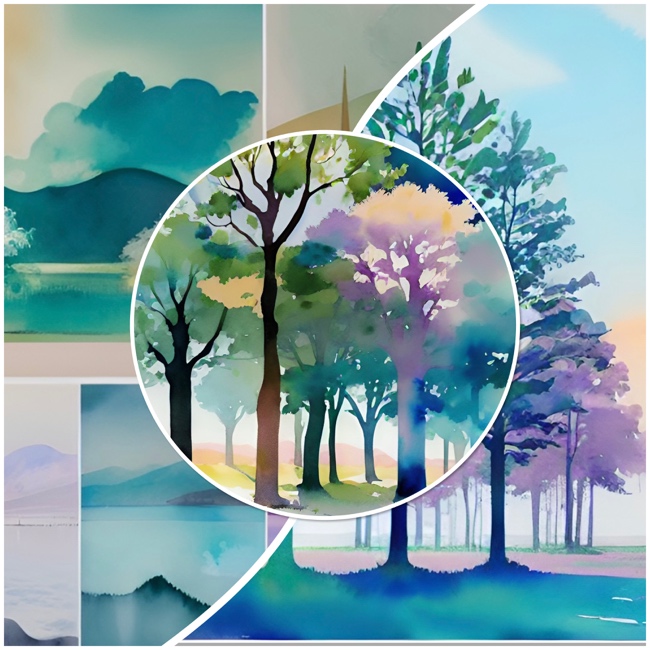
När vi vistas i naturen förändras ofta vårt sätt att se. Vi börjar lägga märke till sådant som annars går förlorat i vardagens tempo: ljusets skiftningar över havet, mönstren i klipporna, doften av salt och tång efter en natt med blåst, växter som finner fäste där vi trodde att inget kunde växa, och de nästan osynliga spår som människor lämnat efter sig.
Naturen är en lärare snarare än en kuliss, om vi bara låter den vara det. Trädgårdar och vilda platser är vackra exempel: ständigt föränderliga rum där människor i alla tider har sökt vila, sammanhang och inspiration. Varje liten plätt – en kruka örter på balkongen, en handfull blommor vid brevlådan – bär på samma längtan efter kontakt med det levande.
Det är just det ombytliga hos naturen som gör den till en så god lärare. Ingenting förblir som det var. Och ändå finns det alltid något nytt att upptäcka i det som växer fram, just där vi minst anade det.
Genom att observera landskap, växter och årstidernas rytm lär vi oss inte bara om naturen, utan om oss själva. Naturen tränar vår uppmärksamhet, vår förmåga att se samband, och vår förmåga att möta förändring som en del av livet – inte som ett hot mot det, utan som dess puls.
En plats vid havet kan vara just sådan. Här blir horisonten inte bara något vi tittar på. Den blir något vi tänker med, andas med, går vidare med.
En plats för eftertanke
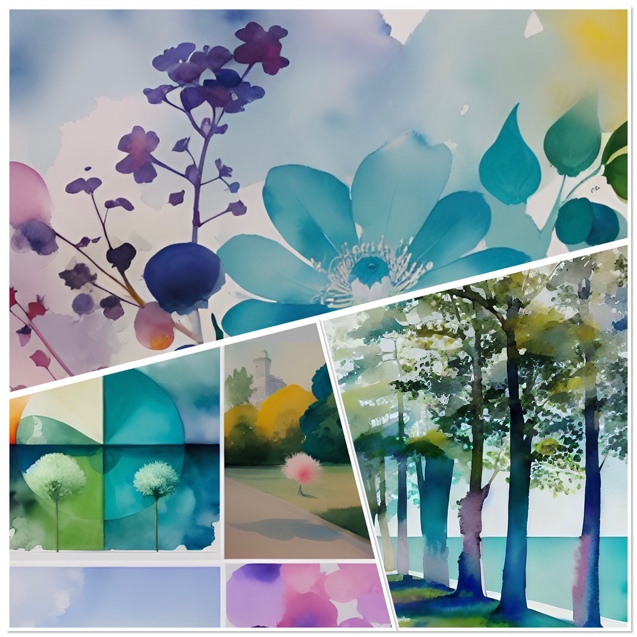
Kanske är det just detta som konsten kan erbjuda i vår tid. Inte fler svar. Utan större närvaro. Inte kontroll. Utan orientering.
För mig är konstskapandet ett sätt att utforska de mellanrum där historia möter framtid, där landskap blir berättelser och där våra egna erfarenheter långsamt formar de kartor vi bär inom oss. Det är också ett sätt att låta dörren till det okända stå på glänt. Inte vidöppen, inte stängd – bara olåst, så att det som vill komma in får plats att göra det. Därifrån kommer de viktigaste sakerna i livet. Därifrån kom vi själva en gång. Och dit, mot samma okända, är vi alla på väg igen.
Jag hoppas att betraktaren stannar lite längre än vid en bild. Att något i ljuset, i färgen och i det outsagda får slå rot djupare än blicken brukar nå. Jag hoppas att det blir en stund där vi får sakta ner. Där havet, ljuset och platsens historia får inspirera till egna reflektioner, och där vi för en stund tillåter oss att inte ha alla svar.
Vilka fotspår lämnar jag efter mig? Vilka kartor bär jag redan inom mig? Och vilken horisont är det egentligen jag är på väg mot?
Kanske går svaren inte att hitta genom att bara tänka. Kanske måste man gå ut på stranden för att hitta dem. Känna sanden ge vika under foten. Se sitt eget avtryck bli till en linje som leder vidare mot vattnet, mot horisonten.
För ibland är det först när vi stannar upp som vi förstår att de fotspår vi redan lämnat bakom oss också har visat oss vägen framåt.
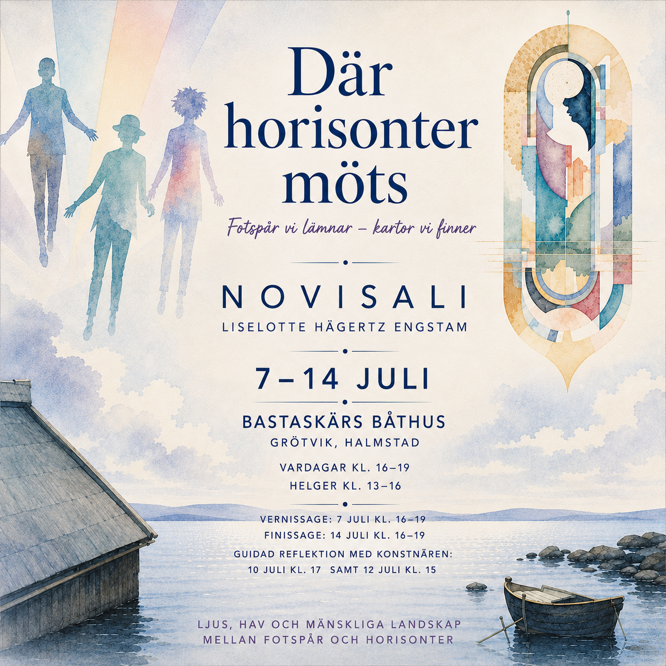
Det är ur denna känsla som utställningen Där Horisonter Möts har vuxit fram. Verken rör sig mellan hav, minne och horisont, mellan det som en gång var och det som ännu inte är skrivet. De erbjuder inga färdiga svar, utan rum för egna upptäckter, samtal och nya perspektiv.
Den 7–14 juli öppnar Bastaskärs Båthus i Grötvik sina dörrar för utställningen Där Horisonter Möts – Fotspår vi lämnar, Kartor vi finner.
Om du kommer hit kanske du inte går härifrån med fler svar. Men kanske med bättre frågor. Kanske med en ny horisont. Eller bara med en stilla känsla av att riktningen inte alltid behöver vara synlig innan vi börjar gå. För ibland är de fotspår vi lämnar inte slutet på en resa. De är början på en ny karta.
Och kanske är det just detta konsten kan erbjuda i vår tid: inte fler svar, utan större närvaro. Inte kontroll, utan orientering.
Kanske börjar din egen karta här.
Källor och vidare läsning:
- “A Field Guide to Getting Lost: Rebecca Solnit on How We Find Ourselves” i Marginalian
- A field guide to getting lost hos Stanford D.school
- The Future Needs More than Forecasts. It Needs Urgetn Optimism hos Institute for the Future (IFTF)
- Unravelling the Deep Tensions of Human-AI Collaboration hos INSEAD Knowledge
- Unearthing connections to Plants, Gardens and The Natural World Around Us i Smithsonian Magazine
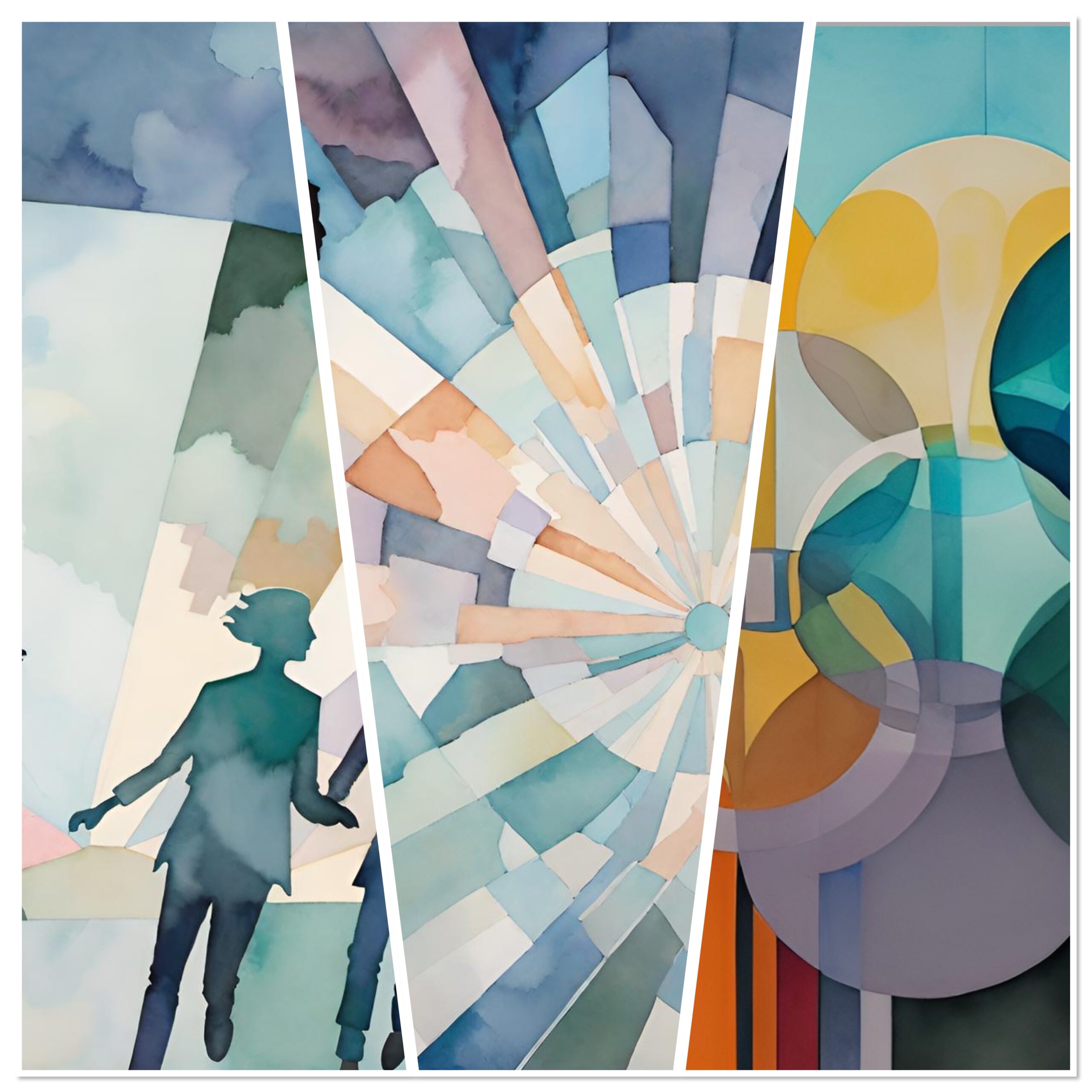
Reading a Horizon
It is early morning. Mist still lingers over the rocks, and your feet sink gently into the cold sand. In that quiet, every plan suddenly seems smaller. As if the world is reminding us that it is larger than anything we could ever have imagined.
Moments like these are often found by the sea, where ocean and sky meet at a horizon that never stands still. The light shifts from one minute to the next. The wind redraws its patterns across the water again and again. And the waves return, quietly and persistently, washing away yesterday’s footprints to make room for tomorrow’s.
Perhaps that is why people throughout history have sought the sea. Not only to travel or to fish, but to think. To feel the salt on their skin, the whisper of the wind against their ears, the cool rock beneath their hand as they pause to sit.
How we meet a moment determines whether it becomes meaningful. Finding our bearings—in the world, in time, within ourselves—is perhaps the greatest art of all. We hesitate, lose our way, and begin again. And it is precisely in that uncertainty that our greatest opportunity for growth lies.
Those who sail know that direction is rarely about control. No one can command the wind or calm the waves. Instead, it is about reading the surroundings, understanding the currents, and adjusting course as conditions change.
Perhaps life is not so different. We seldom control it—we observe, interpret, and adjust, again and again.
Where Footprints Become Maps
No map has ever existed from the beginning. Every path we walk was once a first step taken by someone who had no idea where it would lead. Every harbour was once unknown water. Maps are created by people who dared to venture out without guarantees, leaving traces behind that made it possible for others to find their way.
So it is with our own lives. Our experiences, encounters, and choices become invisible maps that help us navigate when the landscape beneath our feet begins to change.
These stories are everywhere, if only we slow down enough to notice them. The sea has shaped the cliffs, stone by stone, year after year. Stonecutters shaped the rock with their hands. Fishermen, sailors, and swimmers have all left their marks in the sand and in memory. Every generation has left traces while being shaped by this place in return.
It is this dialogue between people, nature, and time that fascinates me most—not as a conclusion, but as an invitation.
Getting Lost to Find the Way
The truly unknown is not something we can plan our way toward. Getting lost is not always failure. Sometimes it is the very condition required to discover something new.
There is an old question: How do we find something whose very nature is completely unknown to us? Perhaps it is life’s most fundamental question. We long for experiences that transform us, yet we rarely—and perhaps can never—know what awaits on the other side of transformation.
Sometimes stepping into the unknown does not feel courageous. It simply feels unavoidable. Yet that is precisely why we must do it, rather than waiting for the map to be complete. Because the map is never complete in advance. It is drawn as we walk.
There are, perhaps, two ways of meeting the unknown. One draws it inward, making it familiar, like a fisherman pulling a catch into the safety of a net. The other carries us out into the dark, open sea, leaving us there to find our own way back with something new in our hands. Art belongs to the latter. It offers no ready-made answers. It simply gives us the courage to keep asking.
It is a thought that feels remarkably timely. We live in an age of accelerating change—new technologies, artificial intelligence, new ways of living and working. Yet at the same time, many of us are searching for something enduring: a sense of direction, meaning, and belonging.
Perhaps we do not always need more maps. Perhaps we simply need to become better at keeping our balance amid surprise. To collaborate with uncertainty instead of resisting it. Courage is not found in knowing. It is found in walking.
Reading a Horizon
A horizon is a curious thing. It keeps moving as we approach it, yet it continues to offer direction. It reminds us that the future is never fully visible. We can only see part of the journey, and still we keep moving forward—one step at a time, without seeing the entire path.
One of our greatest human abilities, now as ever, is the capacity to remain in uncertainty without becoming trapped by it. To let curiosity outweigh fear. A willingness to become lost, from time to time, is part of learning something new about ourselves.
It is rarely enough to try to calculate the future in advance. What truly carries us forward is believing that it is still worth shaping—a kind of urgent optimism: the conviction that tomorrow can be influenced, even when everything feels uncertain. That imaginative capacity can be strengthened like a muscle. The more we exercise it, the stronger hope becomes.
And the more advanced the technology around us becomes, the more clearly the qualities unique to humanity come into view: our identity, our responsibility, and our enduring sense that we remain at the helm. Those who learn to read both their inner compass and the unfamiliar signals surrounding them—without surrendering their judgement—are those who navigate change most wisely.
Perhaps the sea has always known this. No sailor controls the wind. Yet those who learn to read it can still find their course. And sometimes, that is enough.
Nature as a Guide
When we spend time in nature, the way we see begins to change. We notice what everyday life often hides from us: the shifting light across the sea, the patterns carved into the rocks, the scent of salt and seaweed after a night of strong winds, plants taking root where we thought nothing could grow, and the almost invisible traces left behind by those who came before us.
Nature is a teacher rather than a backdrop, if only we allow it to be. Gardens and wild landscapes alike are beautiful examples—ever-changing places where people throughout history have sought rest, connection, and inspiration. Every small patch of green—a pot of herbs on a balcony, a handful of flowers beside a mailbox—reflects the same longing to remain connected with the living world.
It is precisely nature’s constant change that makes it such a profound teacher. Nothing remains exactly as it was. And yet there is always something new waiting to be discovered in what quietly emerges, often where we least expect it.
By observing landscapes, plants, and the rhythms of the seasons, we learn not only about nature, but about ourselves. Nature sharpens our attention, deepens our ability to recognise patterns, and teaches us to meet change not as a threat to life, but as its very pulse.
A place by the sea can become exactly that. Here, the horizon is not merely something we look at. It becomes something we think with, breathe with, and continue walking toward.
A Place for Reflection
Perhaps this is precisely what art can offer in our time. Not more answers, but deeper presence. Not control, but orientation.
For me, creating art is a way of exploring the spaces where history meets the future, where landscapes become stories, and where our experiences slowly shape the inner maps we carry within us. It is also a way of leaving the door to the unknown slightly ajar—not wide open, not closed, simply unlocked, allowing whatever wishes to enter to find its place. The most important things in life come from there. It is where we ourselves once came from. And it is toward that same unknown that we are all, in time, making our way.
I hope visitors will linger a little longer than they might before a single image. I hope something in the light, the colour, and the unspoken takes root beyond where the eye alone can reach. I hope it becomes a moment to slow down—a place where the sea, the light, and the history of this landscape inspire personal reflection, and where, for a while, we allow ourselves not to have all the answers.
What footprints am I leaving behind? What maps do I already carry within me? And toward which horizon am I really travelling?
Perhaps the answers cannot be found by thinking alone. Perhaps we have to walk out onto the shore to discover them. To feel the sand give way beneath our feet. To watch our own footprints become a line leading onward—toward the water, toward the horizon.
Because sometimes it is only when we pause that we realise the footprints we have already left behind have been quietly showing us the way forward all along.
It is from this feeling that the exhibition Where Horizons Meet has emerged. The works move between sea, memory, and horizon; between what once was and what has yet to be written. They offer no finished answers, only spaces for discovery, conversation, and new perspectives.
From 7–14 July, Bastaskärs Båthus in Grötvik opens its doors to the exhibition Where Horizons Meet – The Footprints We Leave, The Maps We Discover.
If you visit, perhaps you will not leave with more answers—but with better questions. Perhaps with a new horizon. Or simply with the quiet reassurance that direction does not always have to be visible before we begin to walk. Sometimes the footprints we leave behind are not the end of a journey. They are the beginning of a new map.
And perhaps this is what art can offer in our time: not more answers, but greater presence. Not control, but orientation.
Perhaps your own map begins here.
Further reading
- “A Field Guide to Getting Lost: Rebecca Solnit on How We Find Ourselves” at Marginalian
- A field guide to getting lost at Stanford D.school
- The Future Needs More than Forecasts. It Needs Urgetn Optimism by Institute for the Future (IFTF)
- Unravelling the Deep Tensions of Human-AI Collaboration at INSEAD Knowledge
- Unearthing connections to Plants, Gardens and The Natural World Around Us in the Smithsonian Magazine
About Novisali
Novisali, (alias Liselotte Engstam), is besides her roles as professional board member and advisor, a multi-media artist, with a curious, explorative mind and an ambition to learn and extend art experiences to current and new audiences using both traditional and new digital mediums. More information and exhibitions can be found via Novisali.com
This blog post was is also shared at the blog of www.liselotteengstam.com, with the artist name Novisali.