
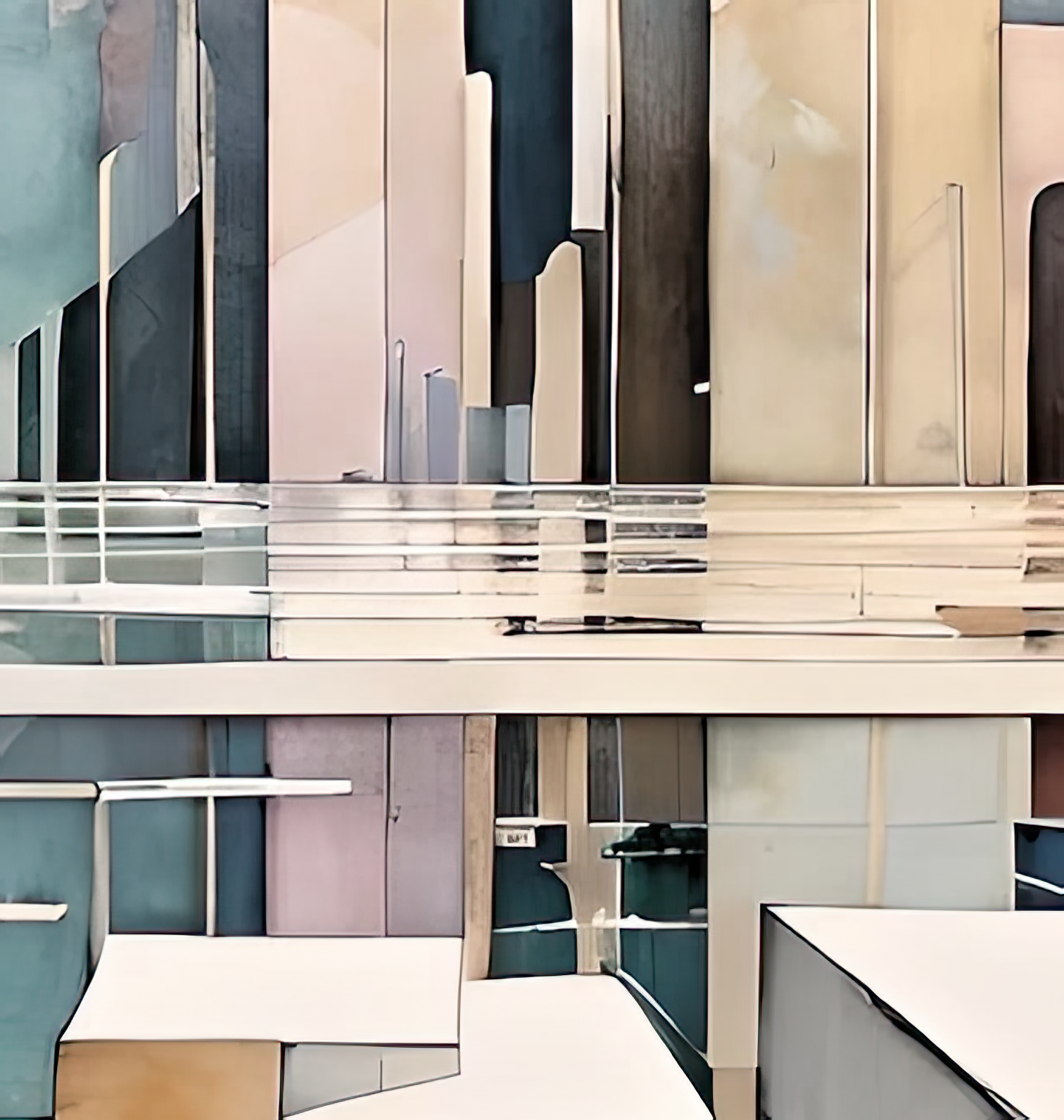
Where Details Whisper Their Stories
There’s a moment, just before the camera finds its focus, when the world seems to hold its breath. A fragment of metal, a carved shape, a brush of light — something small suddenly becomes everything.
In that instant, we move from glancing to seeing. From scanning to sensing. From overview to intimacy. This theme — Close-Up & Details — invites that quiet shift: the art of leaning in to what we usually overlook.
In the Margin
When we come close, the world rearranges itself. The familiar becomes abstract. The ordinary, sculptural. Edges blur, textures rise to the surface, and small things — once peripheral — reveal unexpected grace.
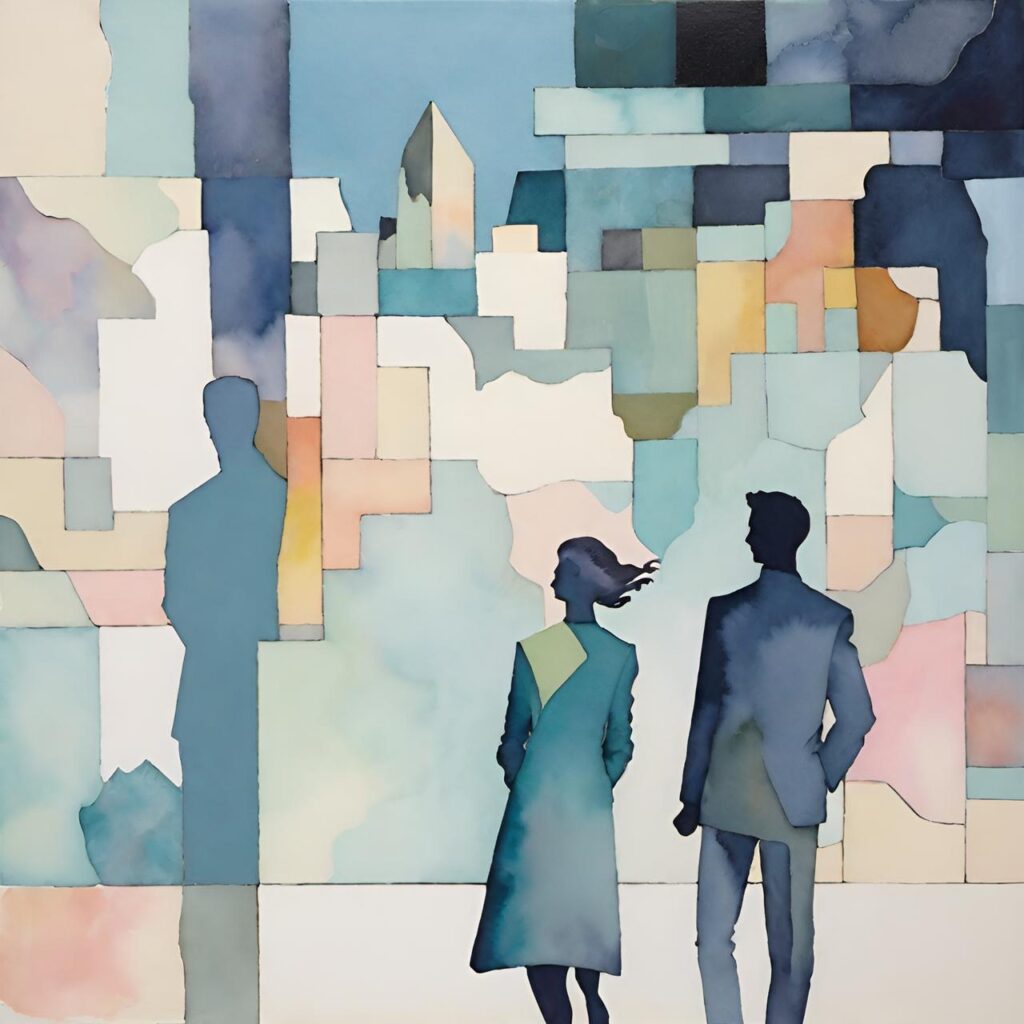
“In the margin lies the pulse of transformation — what we ignore often holds the seeds of renewal.”
“In the margin” is not just a place on a page or a frame. It is a state of awareness — a borderland where focus softens and something new comes alive. It is there, in the faint glimmer of a reflection or the crack in the paint, that the unnoticed begins to speak.
Close-ups remind us that life’s beauty often hides in what doesn’t announce itself.
Details as Meaning
Every detail carries its own story — a curve, a repetition, a texture that time has shaped.
Artists, poets, and scientists share this same discipline: to notice what others pass by.
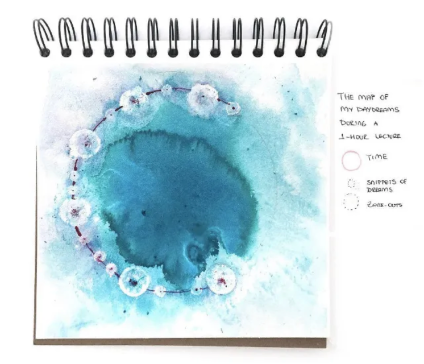
The visual artist Yasemin Uyar’s Patternicity transforms ordinary moments into “dreamy diagrams of daily life” — reminding us that even the smallest fragments hold hidden rhythm, if we only pause to see.
To attend to details, then, is not to be distracted by the small, but to let the small reveal the whole. Attention, after all, is a form of reverence. In a world of noise, to truly see is an act of care.
“When we turn our gaze toward detail, the world begins to weave itself back together.”
The Practice of Seeing
Taking a close-up photograph is a kind of meditation. It demands stillness. It rewards patience.
The act of adjusting focus — of moving closer until the familiar becomes strange — opens a new dimension of understanding. Light becomes language. Shadow, punctuation.
Try it: move close to something you think you know — a door, a leaf, a fragment of wall — and stay with it. What appears at first as form begins to dissolve into texture, rhythm, and tone. The surface becomes story.
Zooming In and Out — From Art to Strategy
This act of seeing — zooming in to explore detail, zooming out to understand context — is not only artistic. It mirrors the very rhythm of leadership and strategy.
In boardrooms, as in creative work, clarity emerges from movement between scales. We zoom in to understand nuance and data; we zoom out to discern direction and purpose.
The 2025 Nobel Prize in Economic Sciences, awarded to Philippe Aghion, Peter Howitt, and Joel Mokyr, celebrates this same dynamic in the realm of innovation — the dance of creative destruction. Their research shows how renewal happens when we can see both the fine grain of change and the broader architecture of systems: when we value the small sparks that, over time, transform entire economies.
This interplay between micro and macro echoes Alexander von Humboldt’s vision of nature as a living web — where “no single fact can be considered in isolation, but only as part of a cosmic whole.”
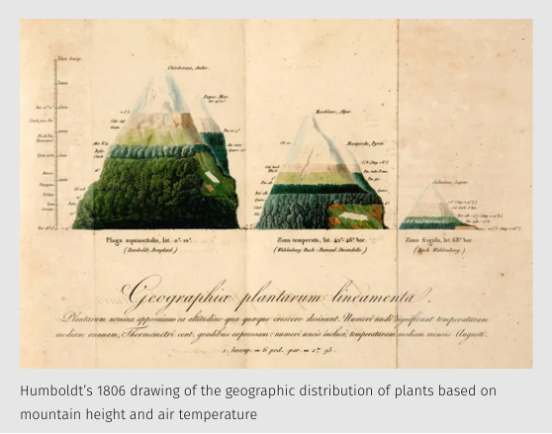
“To see clearly, we must learn to shift our distance — to move between detail and horizon, between part and whole.”
In both art and strategy, that awareness is vital. Zoom in, and you find structure and details. Zoom out, and you find context and meaning. Both are needed for renewal.
Three Photographs in Dialogue
Each close-up became a quiet encounter — a study in patience and proximity.
1. Iron and Light
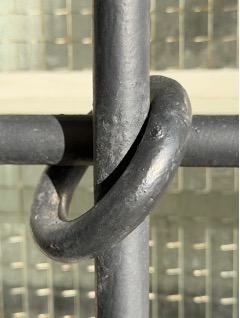
A loop of forged metal catches sunlight on its weathered edge — a dialogue between strength and softness, between light and endurance.
2. Wood and Symbol
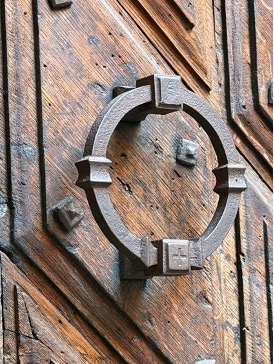
On an old door, iron and wood converse through texture and geometry — human intention meeting the slow artistry of time.
3. Stone and Color
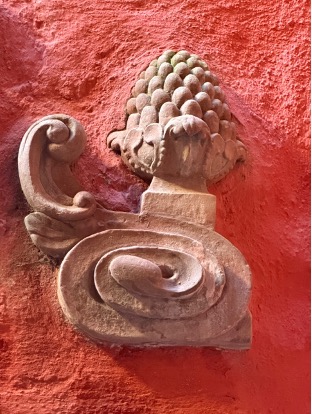
Against a wall of vivid red, a carved ornament spirals like a fossil of movement, holding centuries in a single touch.
Each image is a microcosm — a meeting of material, time, and emotion. Together they speak of attention, of presence, of belonging through closeness.
Maps of Togetherness Art Exhibition
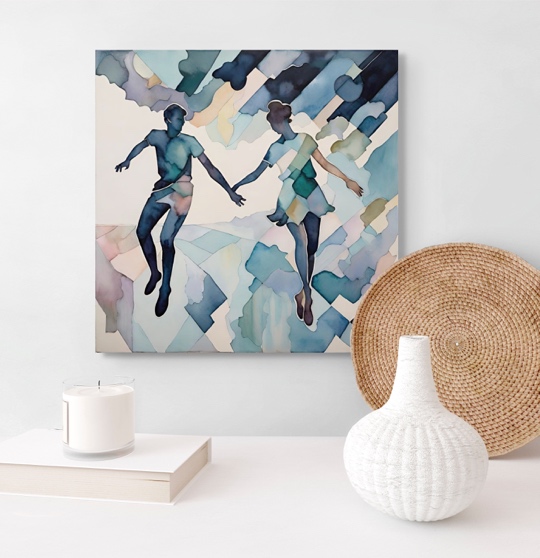
These reflections also resonate with my upcoming exhibition Maps of Togetherness, where connection itself becomes a landscape.
Just as close-ups reveal hidden relations between surfaces, Maps of Togetherness explores the threads of human relation — how we are bound not by grand gestures, but by subtle alignments and shared textures of experience.
To see closely is to recognize kinship: between metal and light, between people and places, between what is seen and what is sensed.
Novisali is exhibiting Maps of Togetherness together with fellow artists from Danderyd Art Center at Församlingens Hus Danderyd (Angantyrvägen 39, Djursholm) from October 17–31, 2025. Opening hours are weekdays, 9 AM–4 PM, and Sundays 12.30-2PM. Welcome to experience the works of Novisali and other artists – in togetherness.
Read more: Novisali art exhibition
Returning to the Whole
After every close-up comes the instinct to step back — to see how the detail fits within the larger pattern.
Perhaps meaning doesn’t reside in the grand overview, but in the patient study of a single surface — and in the movement between the two. When we learn to shift focus — in art, in strategy, in life — we rediscover balance.
“Every detail is a doorway. Step closer, and the world begins to speak.”
Further Reading & Connections
- Patternicity — Yasemin Uyar’s lyrical exploration of daily detail (The Marginalian)
- Alexander von Humboldt and the Invention of Nature — on the cosmos of connections (The Marginalian)
- Bridging Polarities and Creative Destruction — reflections on board renewal (Digoshen.com)
- Maps of Togetherness — upcoming exhibition (Novisali.com)
About Novisali

Novisali, (alias Liselotte Engstam), is besides her roles as professional board member and advisor, a multi-media artist, with a curious, explorative mind and an ambition to learn and extend art experiences to current and new audiences using both traditional and new digital mediums. More information and exhibitions can be found via Novisali.com
This blog post is also shared at the blog of www.liselotteengstam.com, with the artist name Novisali.