
What Florence’s extraordinary ceilings reveal about art, science, power and the human capacity to imagine a different future.
What stories unfold above our heads?
Florence is famous for its magnificent art and architecture, but some of its most fascinating stories unfold on its ceilings. Beyond their beauty, they reveal how generations have explored the universe, expressed political power, challenged established knowledge and imagined worlds beyond the visible.
Woven through these stories is another fascinating theme: hope.
Sometimes represented through religious faith and salvation, sometimes through the promise of renewal, and sometimes through the human courage to attempt what seemed impossible, hope has taken many forms across Florence’s artistic history.
These ceilings invite us to reflect on questions that remain remarkably relevant today: How does our understanding of reality change? Who shapes the stories we remember? And how can knowledge, imagination and hope help us create different futures?
A Night Sky Preserved for Centuries
In the Old Sacristy of San Lorenzo and the Pazzi Chapel, two extraordinary ceilings depict what is believed to be the sky above Florence on 4 July 1442.
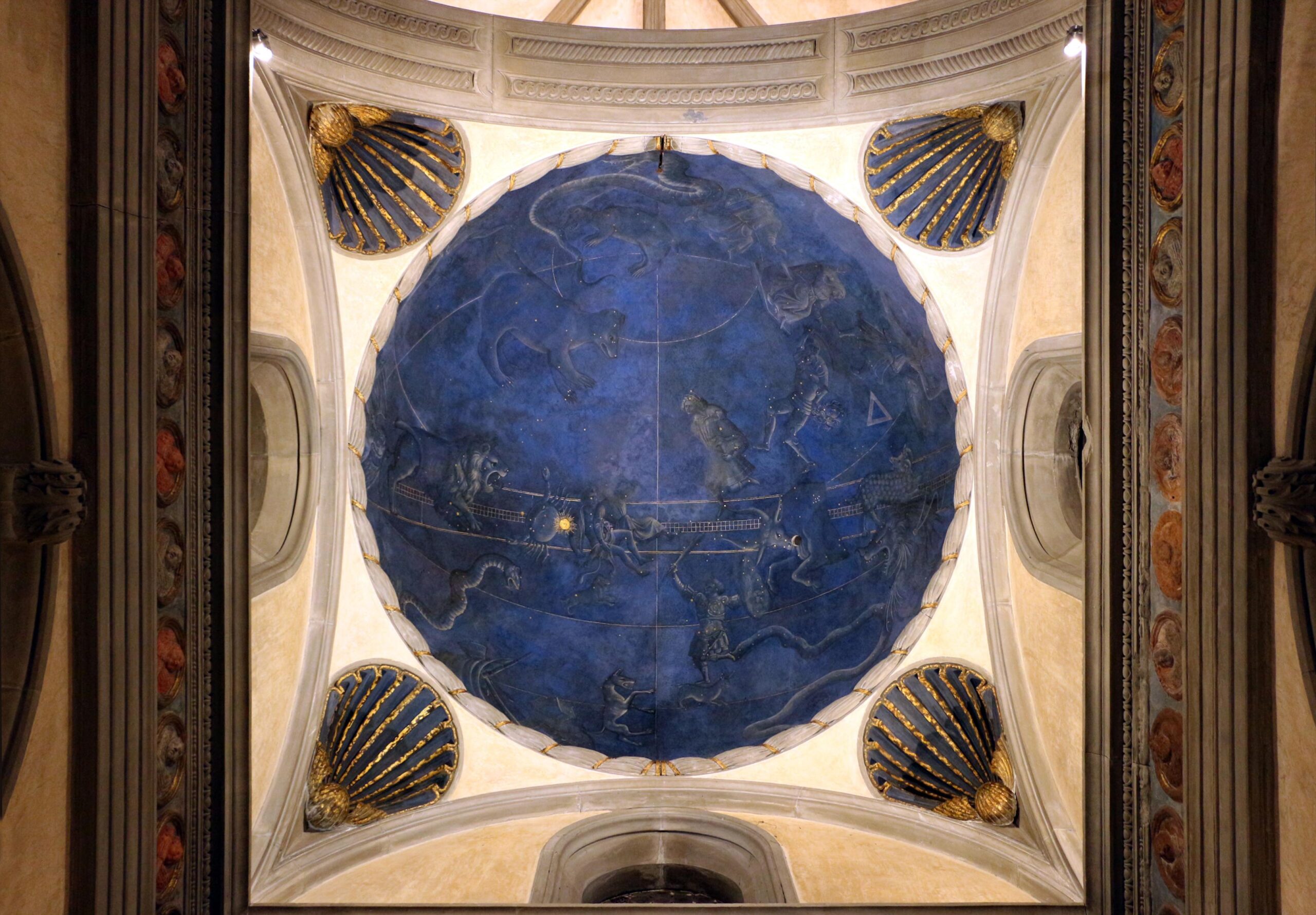
Their carefully arranged stars and celestial bodies reflect the Renaissance fascination with astronomy, mathematics and the relationship between humanity and the universe. The astronomer Paolo dal Pozzo Toscanelli may have contributed to their design.
Intriguingly, the buildings were associated with the Medici and Pazzi families, whose rivalry would later culminate in the violent Pazzi conspiracy of 1478. While political fortunes changed, the painted heavens remained.
These ceilings remind us that art can preserve moments of knowledge across centuries, even as scientific understanding and societies evolve. They also suggest a form of hope rooted in curiosity — the belief that by observing, questioning and exploring, we can expand our understanding of the world.
What do we believe we know today that future generations may understand differently?
Leonardo, Michelangelo and the Power of Stories
In Palazzo Vecchio’s magnificent Salone dei Cinquecento, Leonardo da Vinci and Michelangelo were commissioned to create competing battle paintings celebrating Florence’s military victories. Neither completed the intended work.
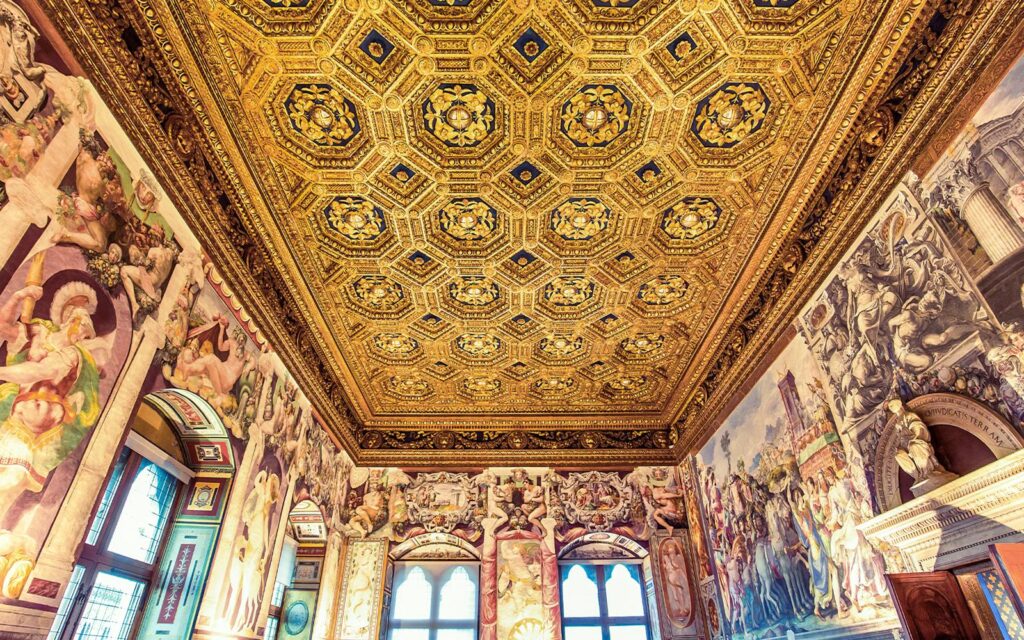
Decades later, Giorgio Vasari transformed the hall, including its monumental ceiling, into a celebration of Medici power. A space originally associated with republican government became an expression of princely authority.
The transformation illustrates how art does more than preserve history. It can shape which stories are remembered, whose achievements are celebrated and how power is understood.
Yet the unfinished ambitions of Leonardo and Michelangelo also remind us that creativity does not always follow the paths originally intended. Artistic ideas can continue to influence generations even when their original expression remains incomplete.
Today, digital platforms and AI increasingly influence which images and narratives become visible. The technologies have changed, but the questions remain familiar.
Who shapes what we see, and how do we keep alternative perspectives and possibilities alive?
Brunelleschi – Hope Through Human Ingenuity
Florence Cathedral’s extraordinary dome, completed in 1436, represents another kind of hope.
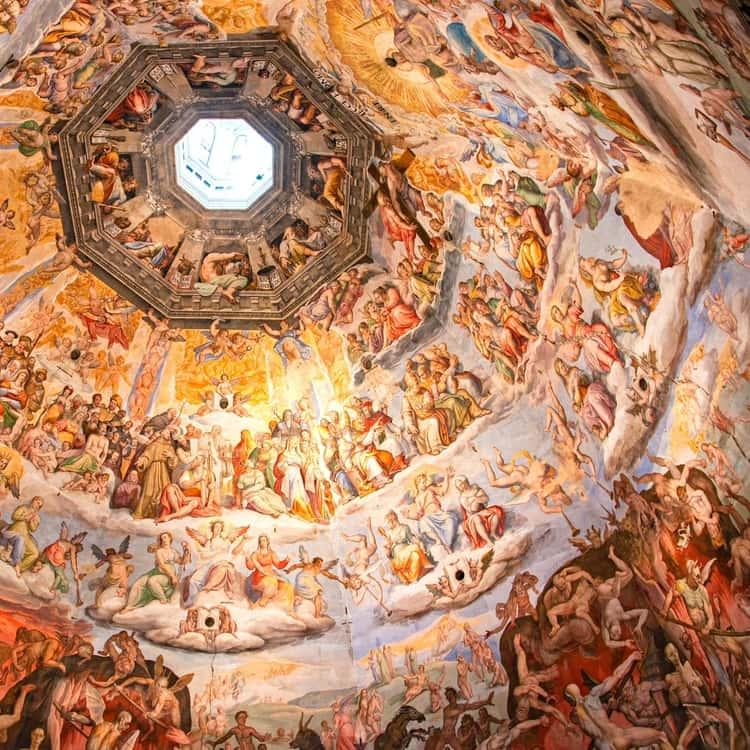
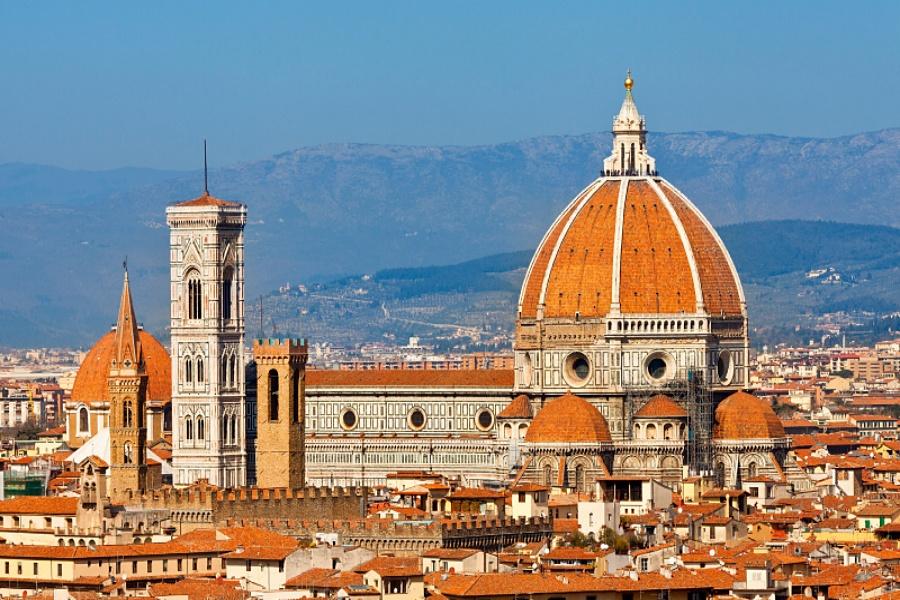
Filippo Brunelleschi overcame an immense engineering challenge through innovative construction methods, mathematical reasoning and experimentation. His achievement demonstrated how imagination, combined with persistence and practical knowledge, could make something previously considered impossible become reality.
More than a century later, Giorgio Vasari and Federico Zuccari transformed the dome’s interior with their immense fresco of The Last Judgment.
Here, Hope takes human form..
Among the three theological virtues, Hope is represented as a female figure dressed in green and gold, looking towards heaven with her hands joined in prayer. In the religious imagination of the Renaissance, hope was closely connected with faith in salvation and a reality beyond earthly existence.
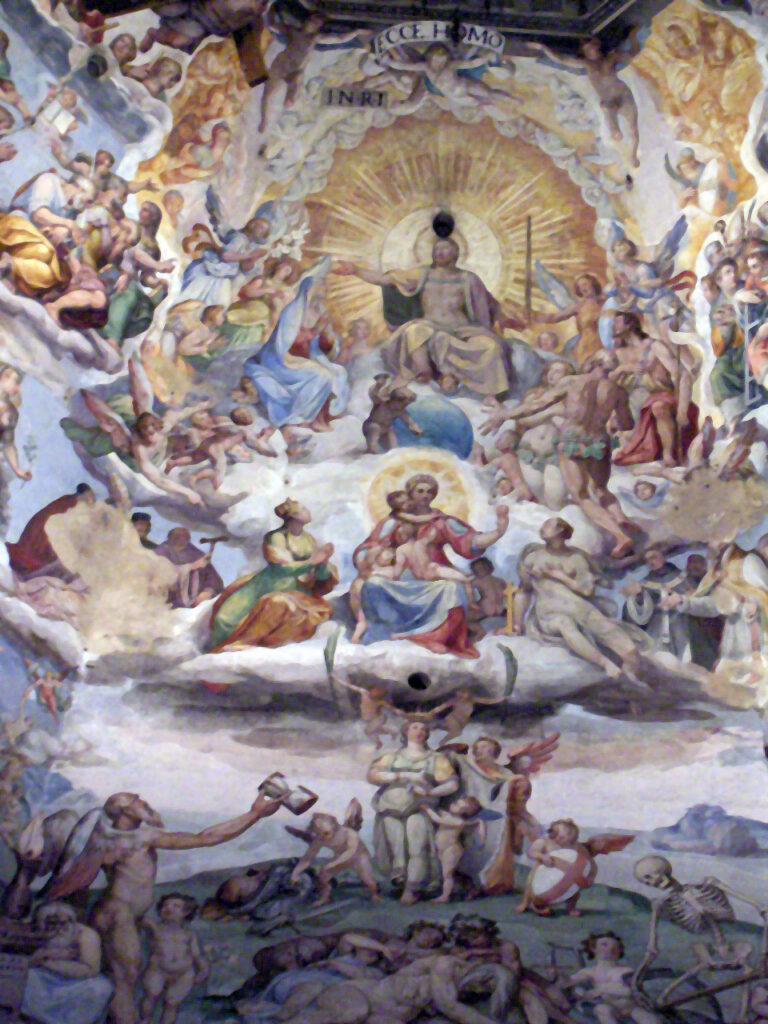
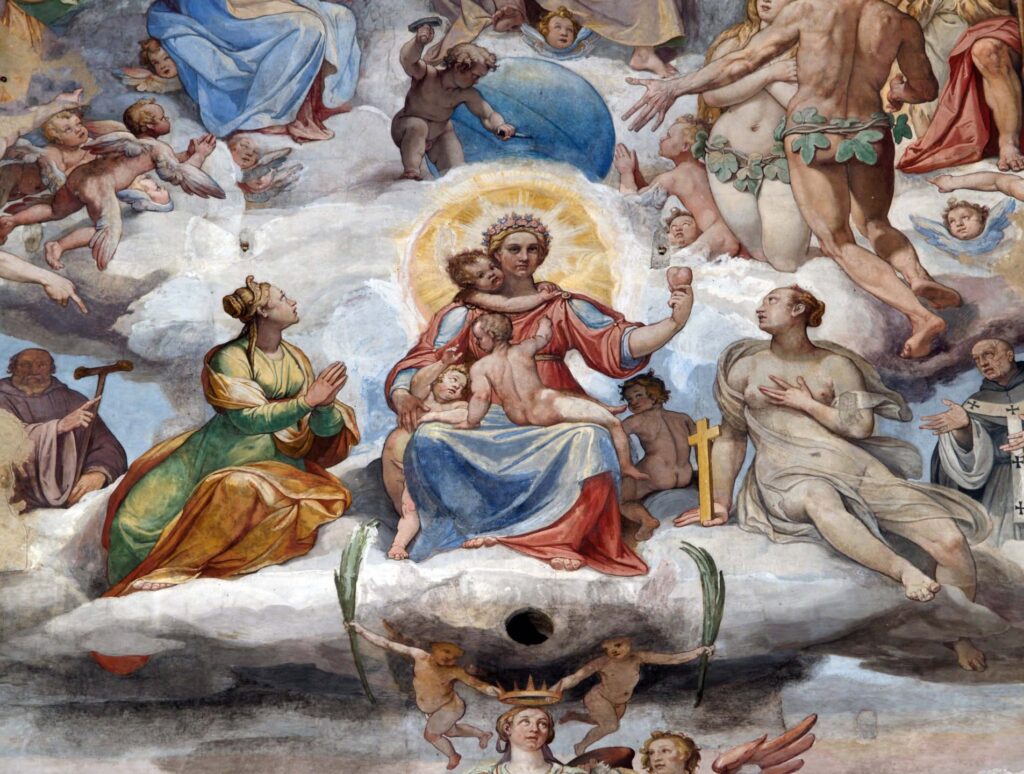
Yet the dome itself suggests another interpretation: hope expressed through human ingenuity, courage and the willingness to explore possibilities beyond established limitations.
Brunelleschi also helped pioneer mathematical perspective, transforming how artists could represent three-dimensional space. Leonardo later expanded investigations into optics, light and human perception.
Their work reminds us that changing how we see can change what we believe is possible.
From Salvation to Renewal – The Many Meanings of Hope
The golden mosaics of Florence’s Baptistery offer another expression of hope, connecting Christian beliefs about resurrection with renewal and new beginnings. The building’s octagonal form carries symbolic meaning: the eighth day represents a new beginning beyond the seven days of Creation.
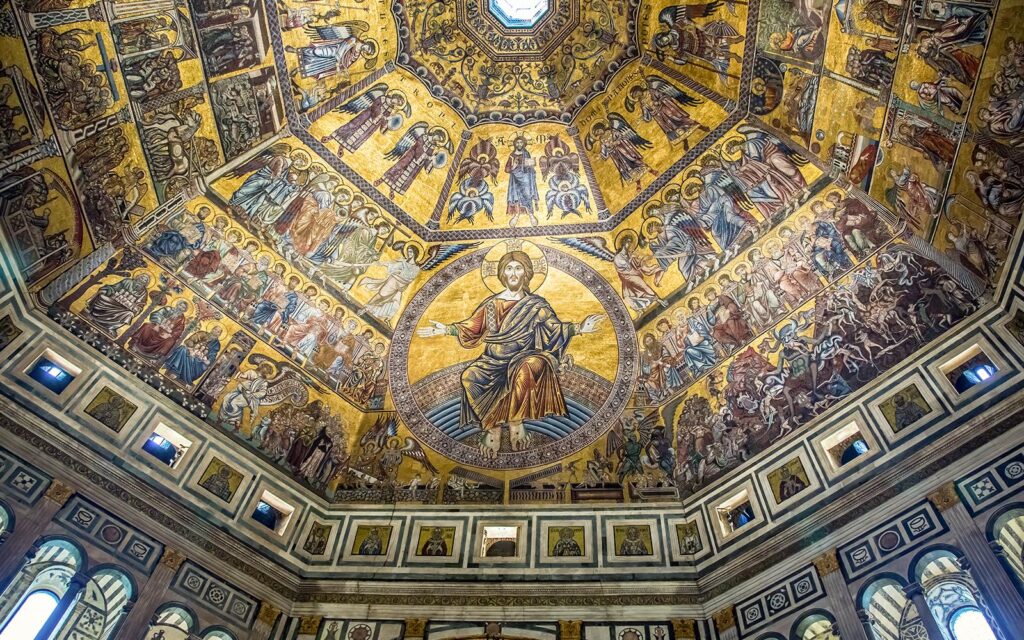
Elsewhere, Florence’s magnificent palace ceilings celebrate political power through mythology, allegory and extraordinary illusions of worlds extending beyond physical boundaries. Together, these spaces reveal how art has represented different forms of human aspiration — from divine salvation and political continuity to scientific discovery and artistic imagination.
They also remind us that hope is not always the same as optimism. Hope can exist alongside uncertainty, conflict and profound change. It can mean believing that renewal remains possible, even when the path forward is unclear.
Across Florence’s ceilings, we encounter different expressions of this impulse: faith in what lies beyond, belief in renewal, confidence in human ingenuity and curiosity about worlds not yet understood.
What Are the Ceilings of Our Own Time?
The Renaissance flourished through connections between art, science, engineering and philosophy. Its achievements remind us that meaningful innovation rarely emerges from one discipline alone.
In our own era of artificial intelligence, technological transformation and global uncertainty, this lesson feels especially relevant. We have extraordinary new tools for observing, creating and representing the world. Yet technology alone cannot determine which futures are worth pursuing.
We also need curiosity, judgment, imagination and the willingness to question established perspectives. Perhaps that is what makes looking upward such a powerful metaphor. It interrupts our habitual viewpoint and reminds us that possibilities may exist beyond what currently occupies our attention.
The ceilings of Florence suggest that hope is not merely waiting for a better future. It can also be the courage to question boundaries, the persistence to continue despite uncertainty and the imagination to envision alternatives.
Every generation creates its own ceilings — reflections of what it knows, what it values and what it dares to imagine. What stories will future generations discover in ours?
From Renaissance Visions of Hope to Sparks of Hope
On 28–29 November 2026, four of Novisali’s artworks will be exhibited on the ceiling of the immersive Art Tunnel at Expo Metro Florence, at Sottopassaggio – Piazza dell’Unita Italiana.
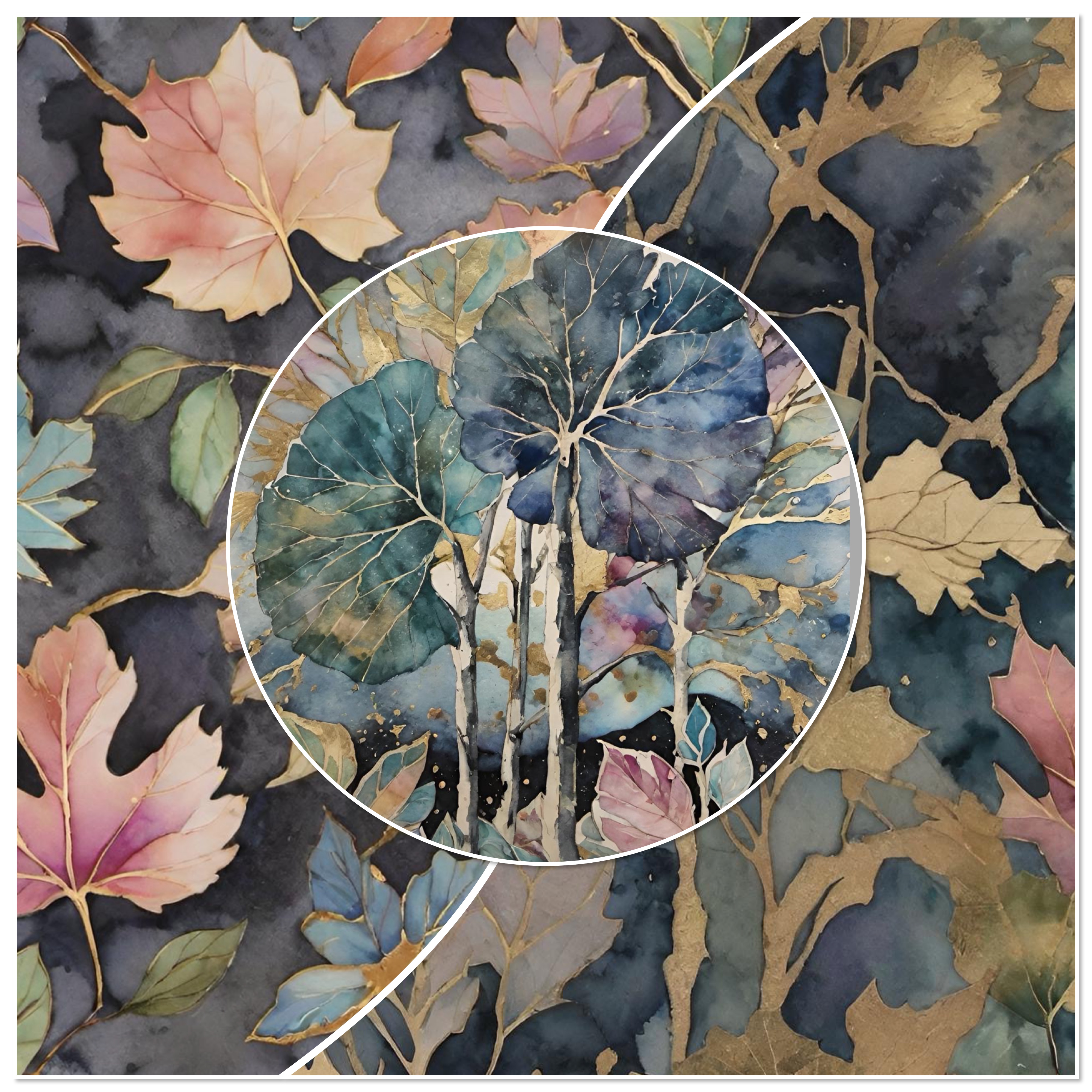
Three works from Sparks of Hope — Emergence, Persistence and Reaching for Light — explore nature’s resilience, renewal and the quiet emergence of possibility, combining original watercolour paintings with layered digital transformations.
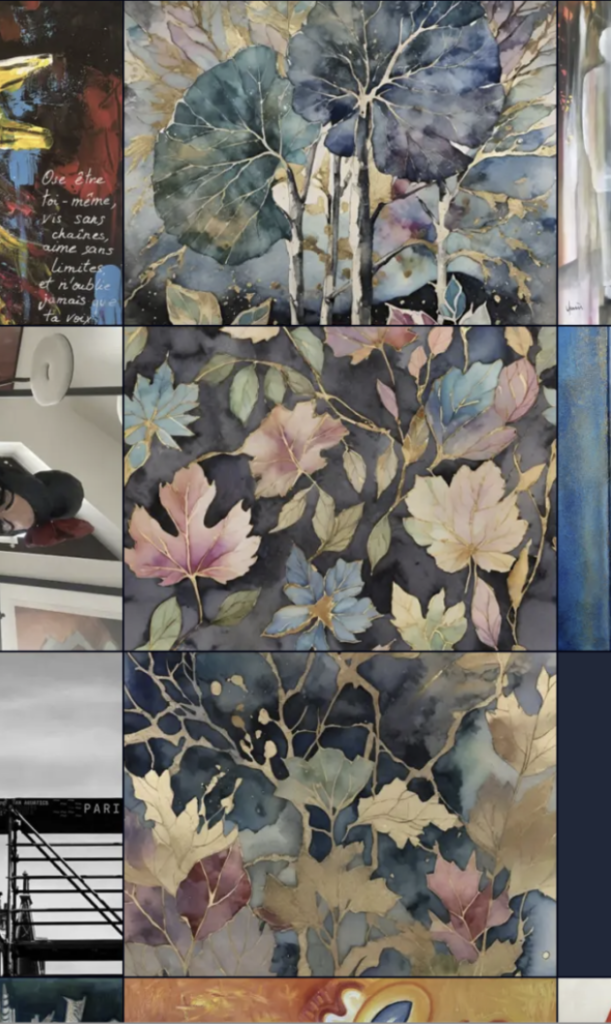
The fourth, Hopepunk XXVII – Worlds Within Worlds, explores shifting perspectives, imagined realities and our capacity to envision alternatives beyond the familiar.
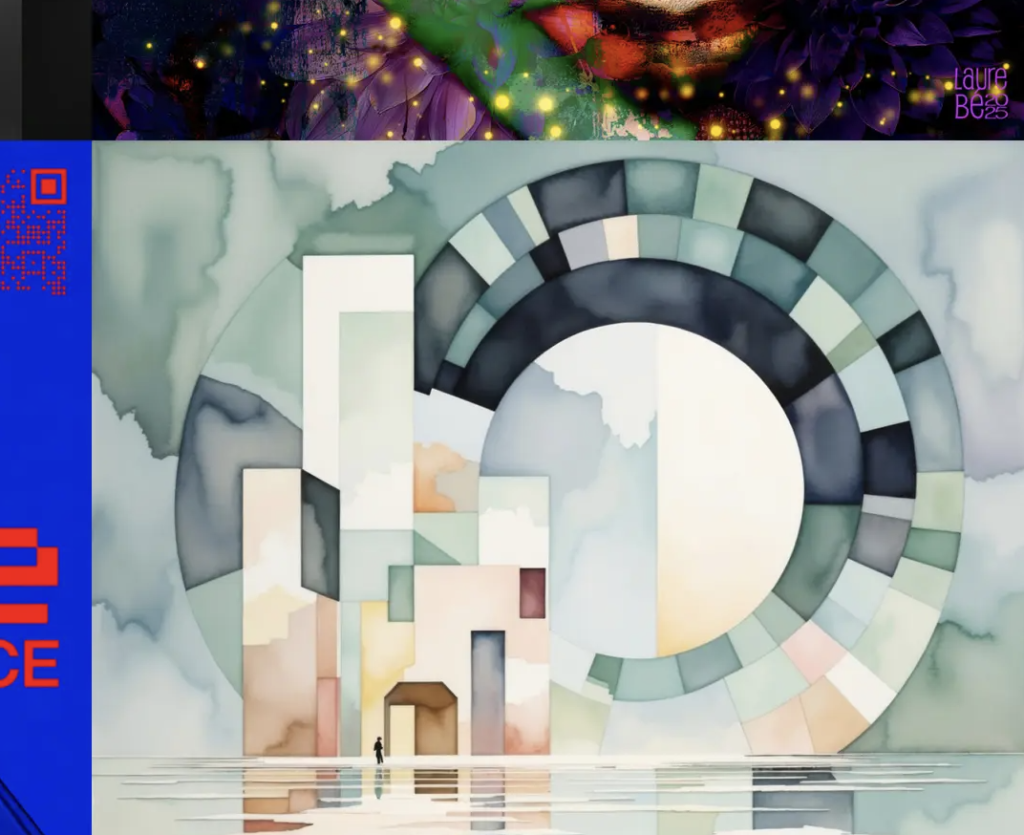
There is a meaningful connection with Florence’s artistic heritage. Where Renaissance artists explored the heavens, religious hope, political narratives and the possibilities of perspective, these contemporary works invite reflection on hope as an active force — something that emerges through curiosity, resilience, imagination and the willingness to see differently.
Unlike Florence’s historic palace and church ceilings, these artworks will be encountered in an everyday public space, inviting people passing through the city to look upward, perhaps unexpectedly.
From the green-and-gold figure of Hope in Florence Cathedral to contemporary expressions of resilience and possibility, the meanings of hope have evolved, but the invitation remains.
Look up. See differently. Imagine what might become possible.
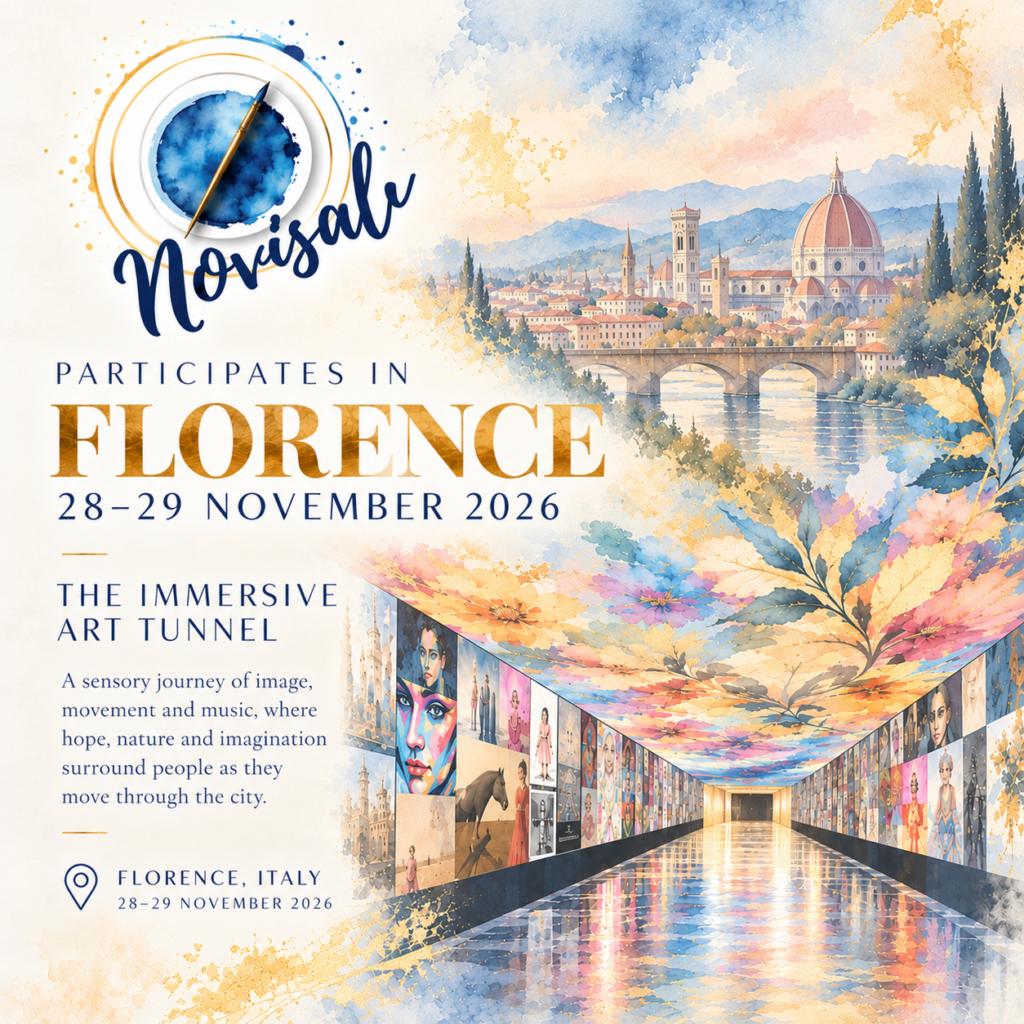
Novisali at Expo Metro Florence | 28–29 November 2026
Immersive Art Tunnel, Sottopassaggio, Santa Maria Novella, Florence, Italy
Explore the exhibition and artworks
About Novisali

Novisali, (alias Liselotte Engstam), is besides her roles as professional board member and advisor, a multi-media artist, with a curious, explorative mind and an ambition to learn and extend art experiences to current and new audiences using both traditional and new digital mediums. More information and exhibitions can be found via Novisali.com

This blog post was is also shared at the blog of www.liselotteengstam.com, with the artist name Novisali.