When Nature Abstracts Itself — Lines, Layers, and Living Patterns
There are moments when nature feels like it is painting itself — silently, without pigment or brush.
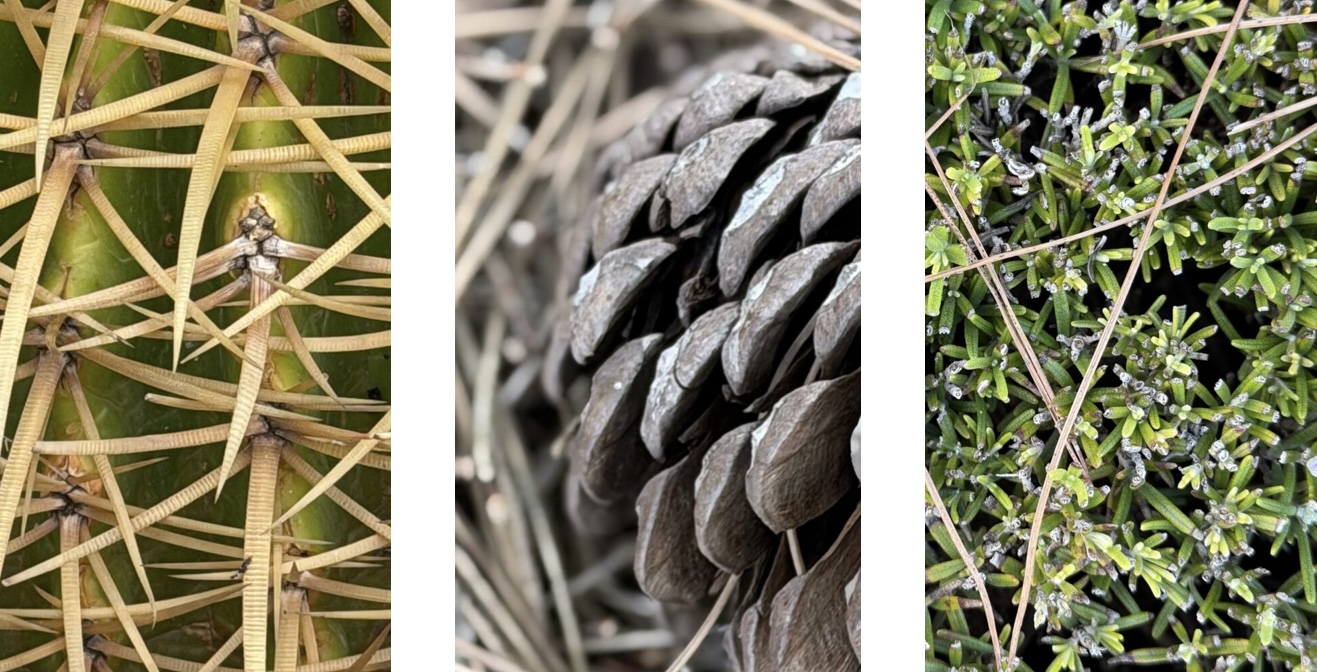
A cactus spine crossing another, the spiral of a pine cone, the clustered rhythm of tiny leaves pushing toward the light. Each is an act of composition, an unconscious art that predates us.
In these forms, abstraction is not invention but revelation. The cactus arranges its spines in a geometry of defense and elegance — a living architecture of necessity. The pine cone folds inward and outward, spiraling according to mathematical principles it never studied. The carpet of small green stems interlaces into a quiet complexity, both ordered and wild.
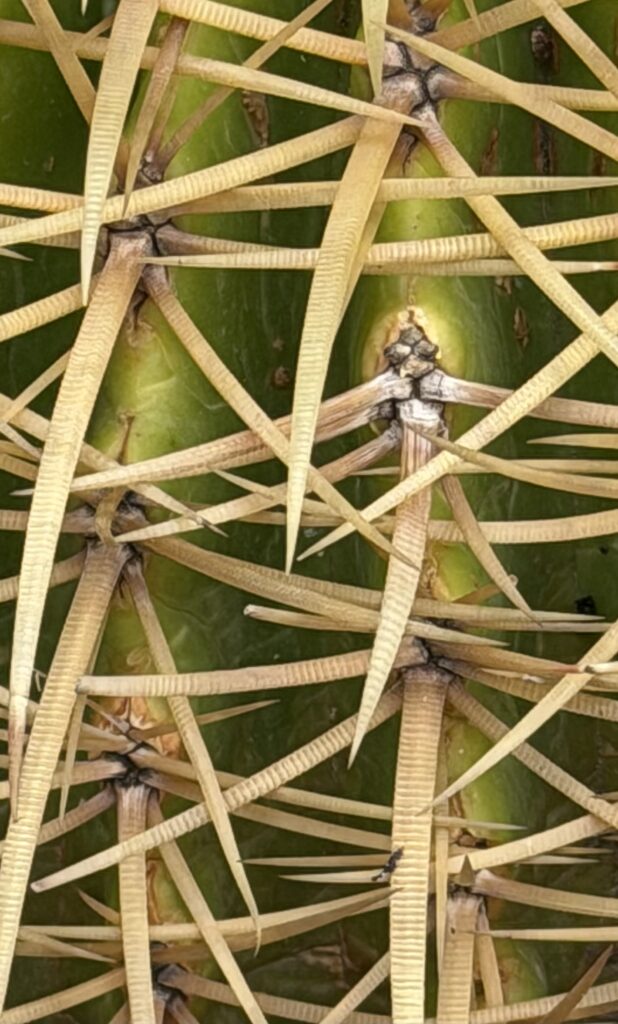
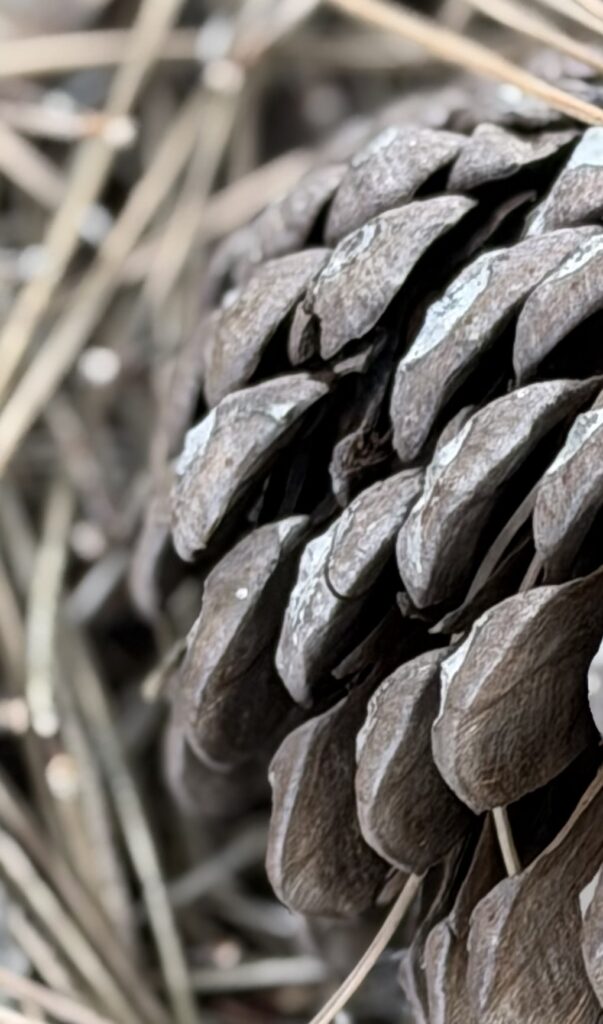
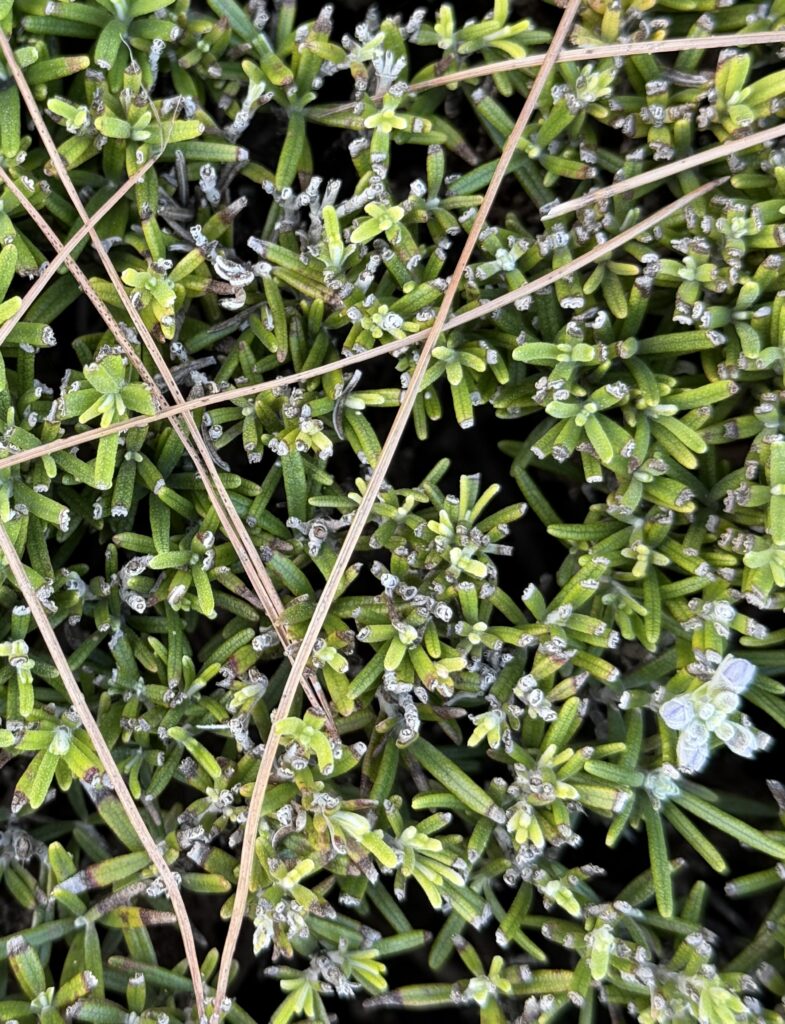
These photographs, also featured in Novisali’s weekly reflection on photography and composition, invite us to notice nature’s way of composing — not by design, but by deep intention. The lens isolates, yet it also listens. Each frame becomes both mirror and metaphor, capturing the tactile truth of the world while revealing its inner abstraction.
Nature as the Original Abstract Artist
Look closely, and every natural form dissolves into geometry and pattern.
The cactus becomes a network of tension; the pine cone, a spiral of coded repetition; the ground cover, a fractal of resilience. Nature is the ultimate abstractionist — it creates through rhythm, proportion, and transformation.
When we paint, photograph, or sculpt these forms, we don’t imitate nature; we extend its language. Every brushstroke, every exposure, every act of noticing becomes a continuation of its endless experiment in form and balance.
This search for the abstract within the natural connects you with a long lineage of Nordic artists who saw nature not merely as subject, but as structure and consciousness.
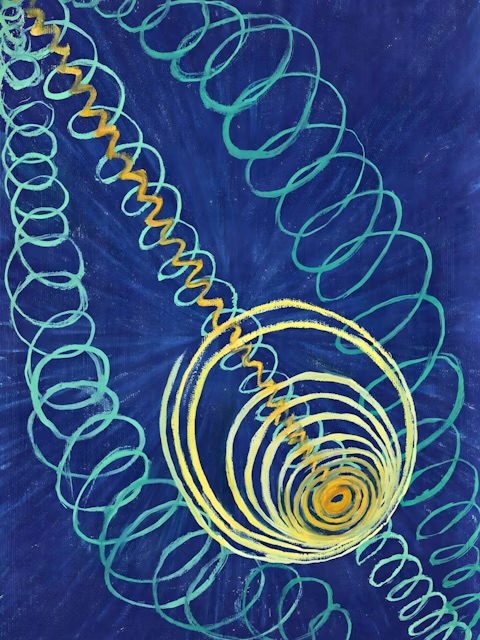
Hilma af Klint, for instance, translated the geometry of flowers, shells, and spirals into symbolic diagrams of life and spirit. Her work reveals the invisible architecture of growth and energy — a way of painting what the eye cannot see but the soul can sense. Her legacy is also echoed in Hilma and Engla, where the language of art becomes a conversation across time and realms.
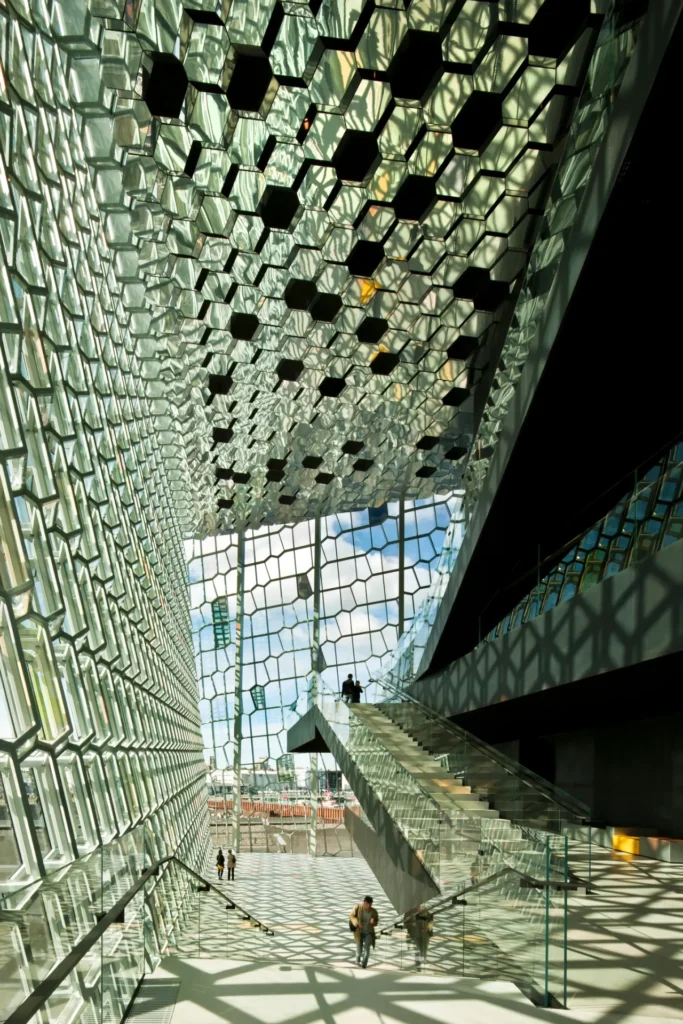
In a more contemporary way, Olafur Eliasson continues this dialogue through installations that transform natural phenomena — light, ice, mist, reflection — into immersive experiences of perception. His works remind us that we are not observers of nature but participants in its unfolding abstractions.
Both Hilma and Olafur embody a distinctly Nordic sensitivity to nature — one rooted in light, silence, and transformation — where abstraction becomes a bridge between the physical and the metaphysical.
The 2025 Nobel Prizes — Revealing the Hidden Structures of Life
The 2025 Nobel Prizes in Chemistry and Medicine offer profound reminders of this same creative logic — that both art and science are acts of seeing the invisible.
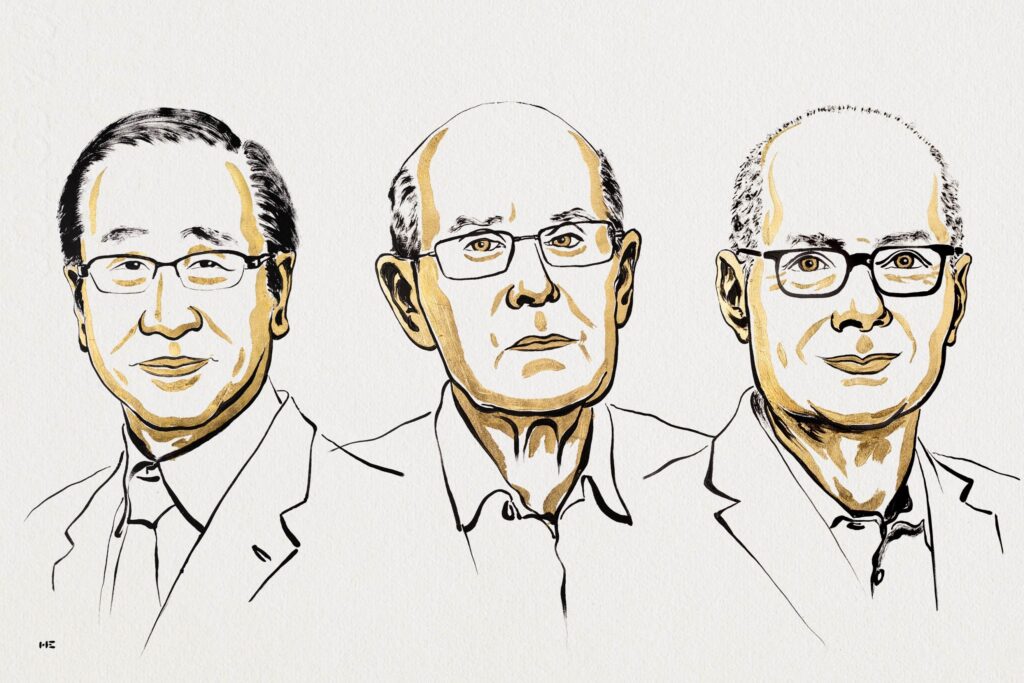
In Chemistry, Susumu Kitagawa, Richard Robson, and Omar Yaghi were honored for developing metal–organic frameworks (MOFs) — crystalline architectures capable of capturing gases, filtering water, and creating porous spaces where molecular life unfolds. They design materials that breathe, expanding the boundaries of what structure can mean.
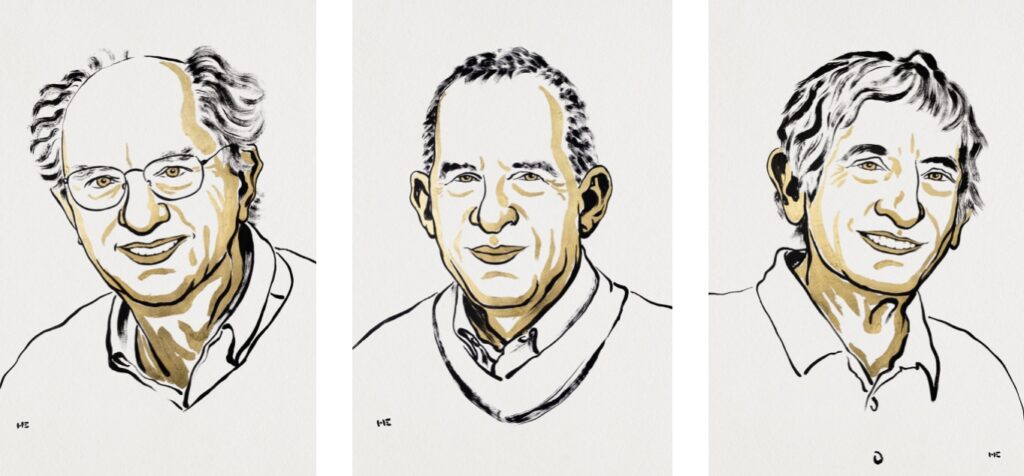
In Physiology or Medicine, Mary Brunkow, Fred Ramsdell, and Shimon Sakaguchi revealed how the immune system sustains balance through regulatory T cells — cells that restrain the body’s own defenses, maintaining tolerance amid complexity. They showed that life depends not only on action, but on discernment and pause.
As someone from a country that shares in the proud tradition of the Nobel legacy, these announcements resonate even more deeply. The prizes are not only a celebration of discovery — they are a reminder of how human imagination and inquiry transcend borders. From Stockholm to Kyoto, from laboratories to art studios, they reflect the same universal impulse: to seek patterns in complexity, to understand life through both rigor and wonder.
Both discoveries illuminate a shared truth: the essence of life is not chaos but organized fluidity — the same pulse that animates a tree’s growth or an artist’s intuition. Both science and art unveil the invisible architectures through which nature holds itself together.
You can explore the full list of laureates and announcements on the Official Nobel Prize website.
Why These Nobel Prizes Matter
Beyond their technical brilliance, these Nobel Prizes remind us why understanding matters:
- They reveal invisible architectures.
MOFs and immune networks make tangible the unseen: the geometry of emptiness, the choreography of balance. - They unite precision and imagination.
Each discovery required the courage to imagine patterns beyond visibility — a union of artistry and logic that drives both invention and art. - They teach balance as survival.
The immune system’s restraint and the molecular framework’s openness echo a universal truth — that resilience is born from equilibrium, not excess. - They reconnect us to the intelligence of nature.
These laureates don’t conquer nature; they listen to it, learning from its patterns and harmonies — much as an artist listens to the rhythm of light and form. - They restore wonder.
In revealing structure within the invisible, they remind us that mystery is not the opposite of knowledge — it is its foundation.
Echoes in Art — From Molecules to Guardians
At the “Animal Guardians” exhibition at ART MUC, these themes take on symbolic form.
The sculptures and paintings there explore the sacred relationship between humanity and the natural world. Each animal form — abstracted, spiritual, protective — mirrors the same underlying geometry of life that science seeks to decode.
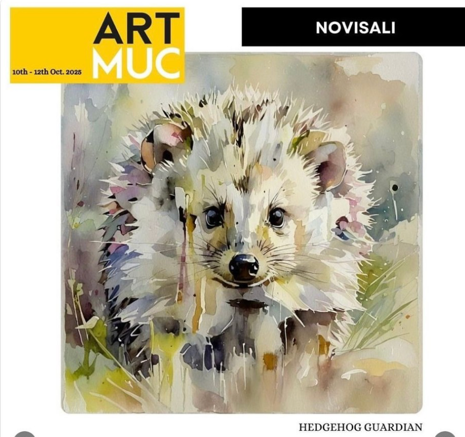
Placed in dialogue with your nature photographs and Novisali’s reflections, the exhibition becomes part of a larger composition — a continuum between observation, creation, and connection. Whether through pigment, pattern, or cell, we are always in conversation with the living order that sustains us.
Closing Reflection — The Pulse Beneath All Forms
To observe a cactus spine, a pine cone, or a small weave of leaves is to glimpse the same principles that govern galaxies and immune cells.
Nature’s wisdom lies not in its objects, but in its relationships — the subtle negotiations of tension and release, density and void, action and restraint.
Art and science, when at their best, are not separate languages but two dialects of the same conversation: one emotional, one analytical — both profoundly human.
They remind us that abstraction is not distance from the real, but intimacy with its essence.
To create, to observe, or to understand is to touch the same pulse — the quiet rhythm by which nature abstracts itself into being..
And perhaps the truest question that remains is this: When we look closely enough — through the microscope, the lens, or the soul — do we find nature abstracting itself, or do we find ourselves reflected within it?
References and Further Reading
- Novisali – Echoes of Silhouettes in Presence (Photography and Composition Reflection)
- Nobel Prize in Medicine 2025 – The Guardian
- Nobel Prize in Chemistry 2025 – Reuters
- All Nobel Prizes 2025 – Official Nobel Prize Website
- ART MUC – Animal Guardians Exhibition
About Novisali
Novisali, (alias Liselotte Engstam), is besides her roles as professional board member and advisor, a multi-media artist, with a curious, explorative mind and an ambition to learn and extend art experiences to current and new audiences using both traditional and new digital mediums. More information and exhibitions can be found via Novisali.com
This blog post is also shared at the blog of www.liselotteengstam.com, with the artist name Novisali.