
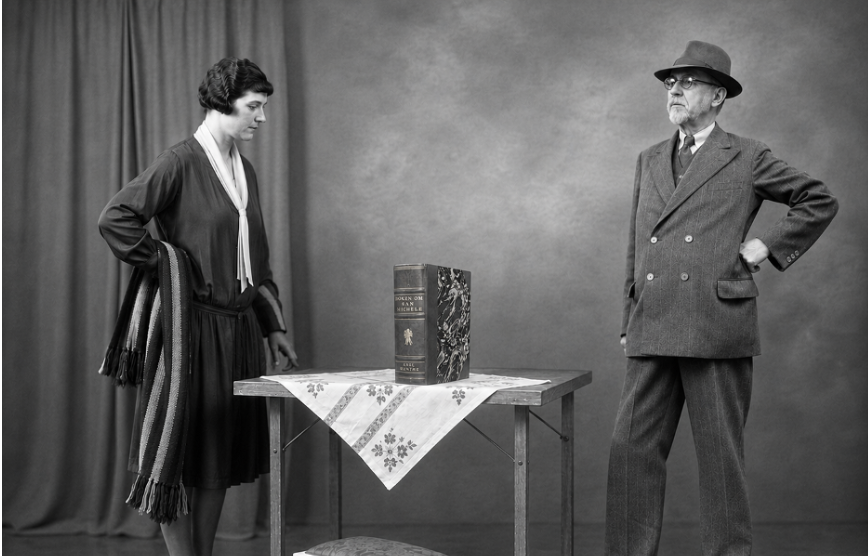
An Imagined Exchange of Letters between Engla Hägertz and Axel Munthe
(Historien återges här på svenska)
In an ongoing artistic exploration, I bring photographer Engla Hägertz into imagined correspondence with other creative voices from her time. The works begin with photographs, archives, documented lives and places, while clearly distinguishing historical sources from artistic interpretation. Where the sources fall silent, fiction becomes a way of exploring questions they leave behind.
Earlier imagined dialogues have brought Engla into conversation with Hilma af Klint, the artists of the Halmstad Group, and Tyra Kleen. This time, I imagine an exchange between Engla Hägertz and Axel Munthe — two Swedes whose lives unfolded in very different places, yet whose traces open unexpected connections around seeing, remembering, creating and preserving. The intention is not to reconstruct what either person actually thought or might have said, but to use imagined correspondence as an artistic form through which documented histories can be placed in dialogue. Their paths most likely never crossed. But perhaps their worlds were not quite as distant as they first appear.
Engla Hägertz — Preserving Lives in Photographs
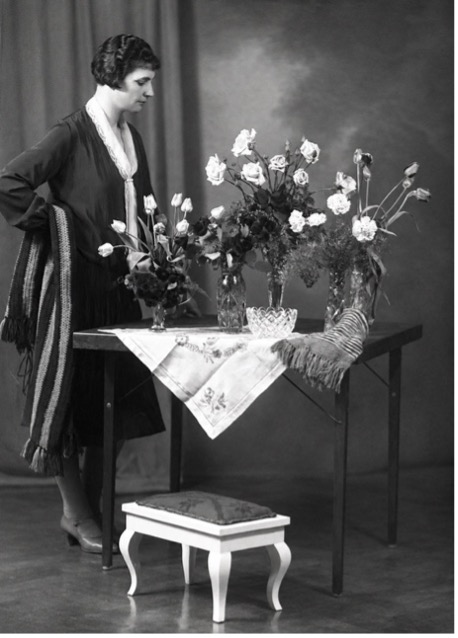
Engla Hägertz (1889–1977) spent much of her life as a photographer in Oskarström in Halland. From her studio, she photographed generations of people: families, children, workers, celebrations and everyday life. Over the years, these individual photographs grew into something larger — a visual memory of a community and a time.
Her work depended upon light, but also upon observation. A photographer chooses where someone stands, how the light falls, what enters the frame and what remains outside it. A photograph may appear simply to preserve a moment, yet it is always shaped by the person behind the camera.
But Engla’s creativity did not end at the edge of the photograph. She also seems to have had an instinct for shaping the places around her. The garden surrounding her photographic studio became part of the world she created, as did the garden around the house in Oskarström where she lived with her mother. Plants, paths, objects and places to pause became another way of arranging what was around her — not so unlike composing an image, but on a larger and more living scale.
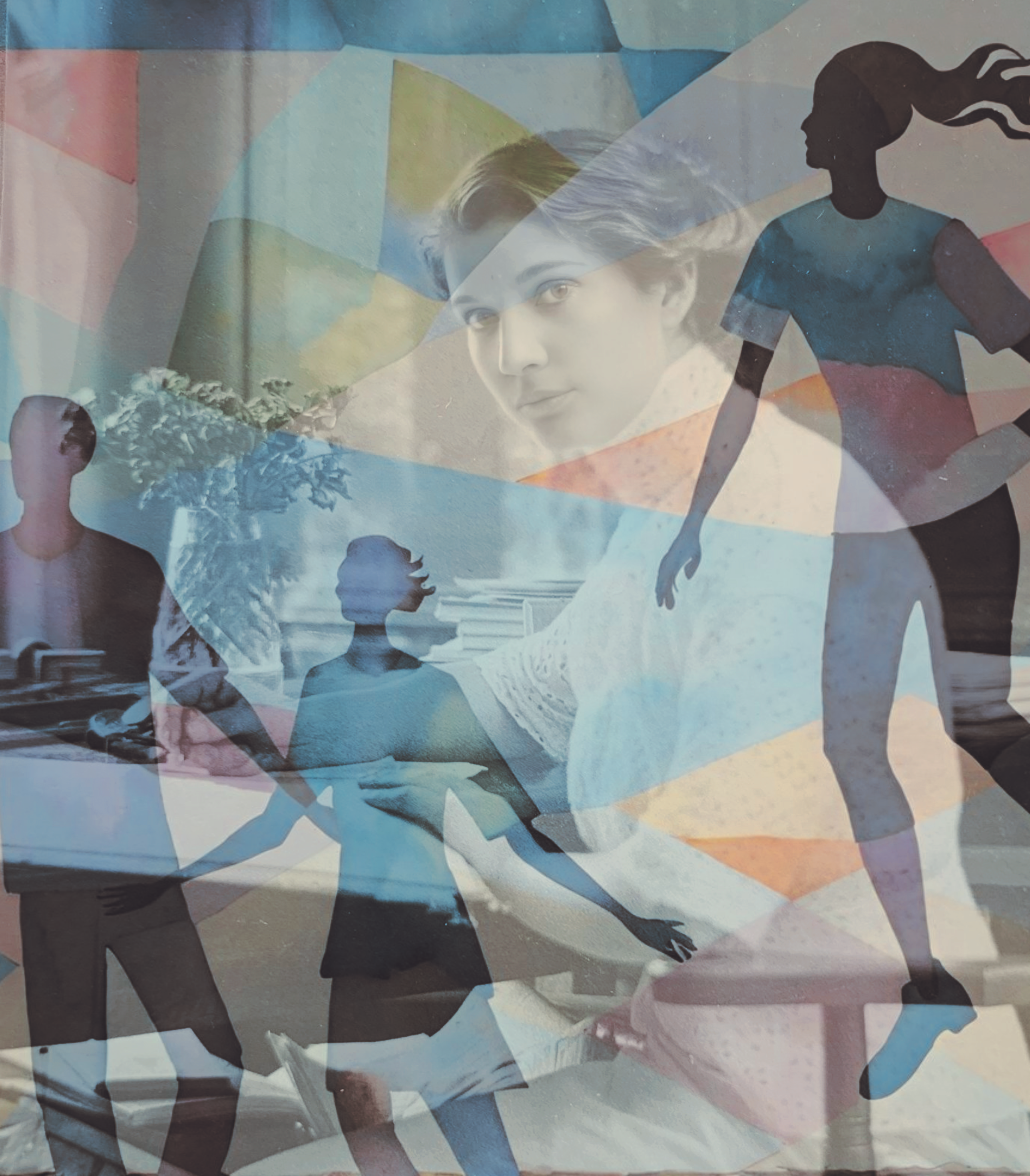
Engla has also become part of my own artistic practice. Working from her photographs, places and the fragments of her story that remain, I have created visual works exploring what happens when an inherited archive is encountered from another time and through another artistic eye.
Artworks from this exploration were selected for Hallands Vårsalong 2026 and later exhibited in Oskarström, bringing the work back to the community where Engla lived and photographed generations of people.
Engla also travelled, including to Paris. While the details of that journey remain part of my ongoing exploration of her life, it offers a possible starting point for another imagined journey — one that might have continued south towards Rome and Capri, but perhaps never did.
Axel Munthe — Creating a Place from Memory
Doctor, Storyteller and Creator of San Michele
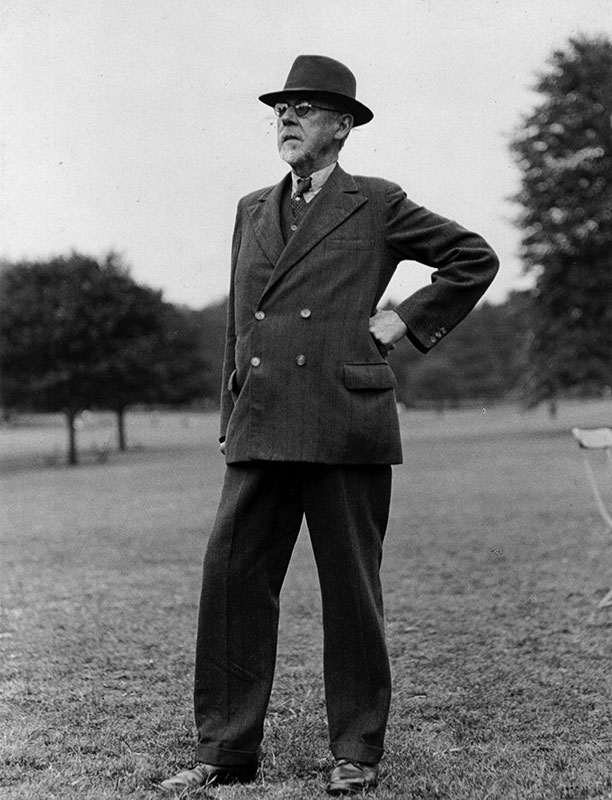
Axel Munthe (1857–1949) lived a remarkably international and often contradictory life. A Swedish physician, trained in Paris, he became closely connected with the Scandinavian artistic community there before moving south to Italy. In Rome he established a highly successful practice and became a sought-after doctor among aristocrats, diplomats and wealthy international families, while also treating poor patients and involving himself in humanitarian work.
In 1893, he became physician to Crown Princess Victoria of Sweden, later Queen Victoria. Their relationship developed over almost four decades into a close friendship and bond of trust, and in the final years of her life Munthe spent considerable time at her side.
Axel Munthe’s own family life was less settled. His first marriage, to the Swedish artist Ultima Hornberg, ended in divorce. In 1907 he married Hilda Pennington Mellor, an Englishwoman from a well-established family, twenty-five years his junior. They had two sons, Peter and Malcolm. Hilda created a cultural and creative world of her own, particularly at Hildasholm in Leksand, but the marriage gradually became distant and the couple lived largely separate lives from 1919. Despite two marriages, children and an extensive social world, Munthe spent much of his adult life essentially on his own.
At the centre of his story was Villa San Michele on Capri, which he gradually created from gardens, architectural fragments, antiquities and objects gathered over the years. It became something more than a home — an expression of Munthe’s imagination and of a life moving between medicine and art, society and solitude, Sweden and Italy. He later transformed his memories into The Story of San Michele, published in 1929 and in Swedish the following year. The book became an international bestseller, blending recollection, observation and storytelling rather than presenting his life as a straightforward autobiography.
There was another striking contradiction. Munthe had created San Michele around the Mediterranean sun and light, yet serious problems with his eyesight increasingly forced him to seek shade and retreat. In his later years he also began thinking about what should remain after him. Villa San Michele would eventually pass to the Swedish state and become a place of cultural exchange between Sweden and Italy — allowing a very personal creation to continue into lives he would never know.
Photography also had a curious presence in Munthe’s life. His years on Capri were richly documented in photographs, not least by Queen Victoria, who was herself a keen and accomplished photographer and often brought her camera on their walks. The surviving images show Munthe, his animals, friends and family, as well as the world around San Michele — creating a visual record alongside the world he later recreated in words.
This creates another intriguing connection with Engla. She spent her life creating photographs of other people’s worlds; Munthe’s own world became the subject of an extensive photographic record. One stood behind the camera, while the other repeatedly found himself within its frame.
An Imagined Meeting
Perhaps it was Boken om San Michele that finally brought their worlds together.
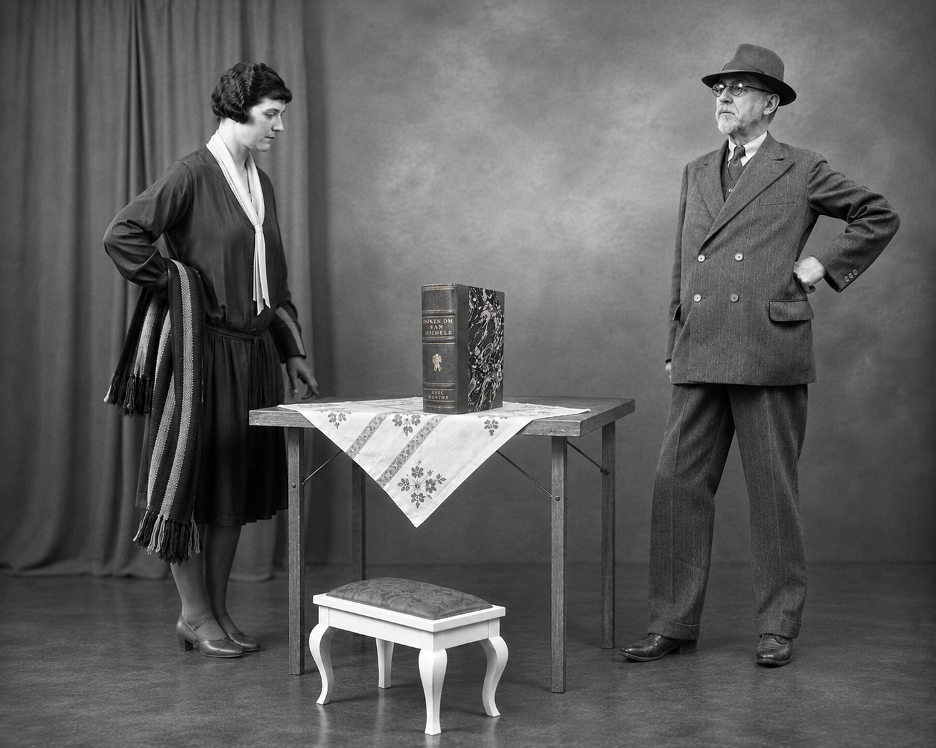
It is easy to imagine Engla in Oskarström in 1930, reading about the house above the Mediterranean and remembering her own journey to Paris. Perhaps she had once thought of continuing south — to Rome, or even Capri. Instead, San Michele came to her through a book. From there, an imagined conversation begins.
A photographer who preserves people in fractions of a second meets a writer who reconstructs a life through memory. One works with light while the other is slowly losing his ability to endure it. One accumulates thousands of photographs that will eventually become an archive; the other creates a house that will eventually outlive him.
Yet perhaps they shared something else as well: an instinct to shape places. Munthe created San Michele from gardens, fragments, objects, paths and views towards the Mediterranean. On a far smaller scale, Engla shaped the gardens and surroundings of the places in which she lived and worked. Both seem to have understood that creativity need not stop with an image or a book; it can extend into the spaces through which we move and the views towards which we choose to turn.
Their letters move between photography and memory, light and failing sight, portraits and relationships, truth and storytelling, the places we carry with us, and finally the question that gives this imagined exchange its name:
What remains of the lives we have seen, the places we have loved, and the things we have made?
The letters that follow are fictional, woven around real people, places and events. Where history leaves spaces, imagination allows a conversation to begin.
I. The Place I Never Reached
Engla Hägertz to Axel Munthe
Oskarström, April 1930
Dear Dr Munthe,
Your name has reached me more than once over the years, always by a different road. I first heard stories of the Swedish doctor who had lived among the Scandinavian artists in Paris, and later your name appeared again whenever people spoke of Italy. Friends travelled from Halland to Paris and further south and came home with stories of Rome, old churches, crowded streets and a light they insisted was quite unlike our own. Another correspondent of mine had once made Rome her home, and through her letters I began to imagine the city long before I had any thought of seeing it myself.
I did travel to Paris eventually, taking my camera and rather more curiosity than good sense. I remember thinking while I was there that perhaps Paris was only the beginning. Next time I would continue south. I would see Rome, and perhaps, if circumstances allowed, Capri.
There was no next time. Life has a way of quietly replacing the journeys we intend with other things that need doing, and I returned to Halland.
That may be why your book affected me as it did. I began reading about San Michele and found myself thinking not only about your house, but about that journey I never made. Through your descriptions I could almost imagine the mountain, the garden, the fragments of stone, the terraces and the sea below. It seemed less like reading about a house than following the making of a world.
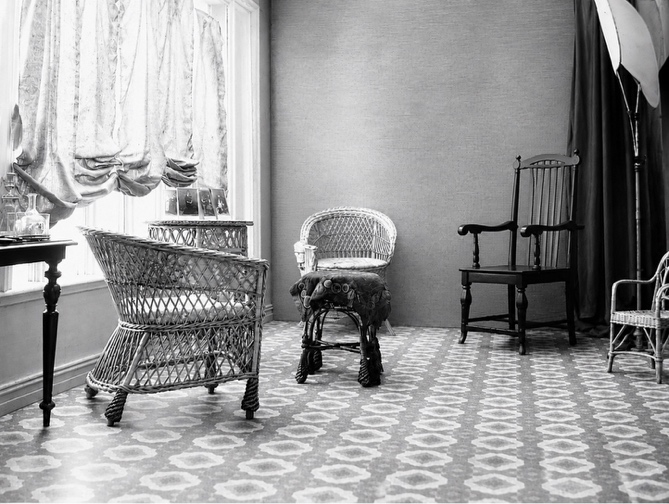
My own world is considerably smaller. I have spent much of my working life in a photographic studio here in Oskarström. There is nothing grand about it. People come through the door in their Sunday clothes, or sometimes directly from work. Mothers straighten children’s collars. Husbands are told where to put their hands. Children refuse to sit still. Older people often become unexpectedly solemn when they find themselves in front of the camera.
For a little while I arrange them within the light. Then the shutter closes, the moment passes, and they leave.
Yet after all these years I sometimes have the peculiar feeling that something of them remains in the room. Perhaps it is simply because I remember them. But there are days when I wonder whether places themselves gather traces of the lives that pass through them.
Reading about San Michele made me wonder if you have ever felt the same.
You have shaped a place around the way you wished to live and see the world. I have spent my life shaping a much smaller room around the requirements of light and people. They are hardly comparable, and yet I wonder whether the question might be the same: do we make the places in which we live and work, or do they, slowly and without our noticing, make something of us?
I hope you will forgive a letter from a stranger in Halland. Your book has made a distant place feel unexpectedly near.
I never came to San Michele. And now San Michele has come to me.
With warm greetings from Oskarström,
Engla Hägertz
P.S. I have enclosed a photograph of my studio. It is not one of my portraits. I thought you might prefer to see the room in which they are made. The light was coming through the window when I took it, and that seemed reason enough.
Axel Munthe to Engla Hägertz
Anacapri, May 1930
Dear Miss Hägertz,
Your photograph has been standing beside me for several days, and I have looked at it often enough that your studio in Oskarström has begun to feel rather less distant than it has any right to.
You apologise for sending me a room instead of a portrait. You should not. Rooms often tell us considerably more about people than portraits do. A person knows when he is being looked at and immediately begins, consciously or otherwise, to arrange himself for the occasion. A room is less careful about the impression it makes.
There is something in your studio that I recognise, although it is certainly not the light. The light of Capri would probably terrify your photographic plates. What I recognise is the sense of waiting. A room that has received many people acquires it, I think. It waits for the next voice, the next footstep, the next person to sit in the chair.
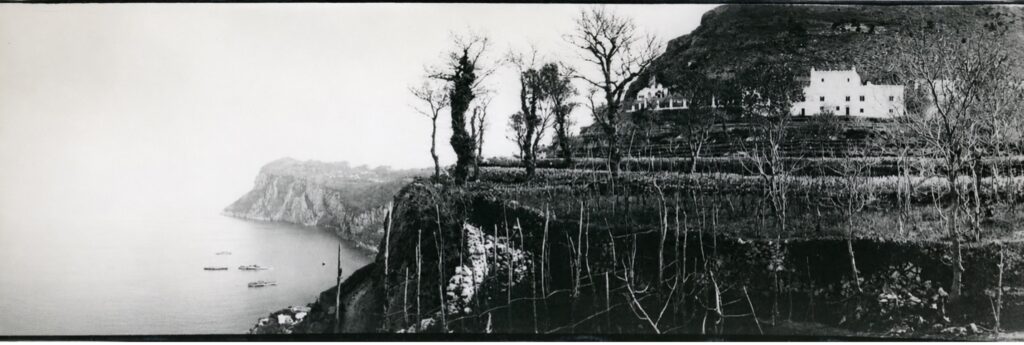
San Michele grew in much the same way, although I cannot claim to have built it according to any sensible plan. I have never had much faith in sensible plans. A column appeared where a column seemed to belong. A fragment of marble demanded a wall around it. A path followed the mountain until the mountain decided otherwise.
From the beginning I knew more clearly how I wanted the place to feel than what form it should finally take. I wanted my home to be open to the sun and the wind and the voices of the sea, like a Greek temple — and light, light, light everywhere.
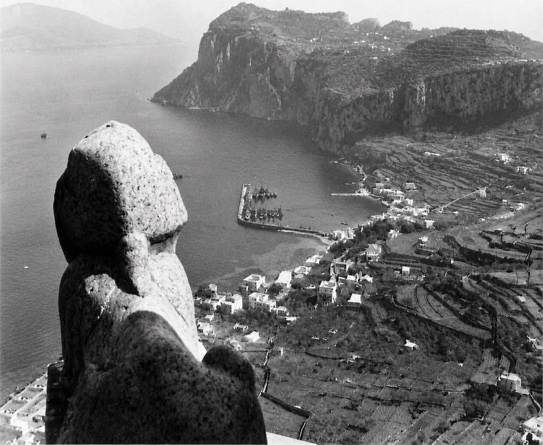
I could never have enough of it. My eyes have since taken a rather different view of the matter. Perhaps that is one of life’s little jokes: we spend years pursuing something only to discover that we cannot possess it indefinitely.
You ask whether places remember. I do not know whether they remember as we do, but I am certain that they retain something. A stone becomes smooth where the same hand has rested on it for years. A chair remains in the place where someone preferred to sit. A tree outlives the person who planted it. Even silence can seem different when it belongs to a room in which a familiar voice is no longer heard.
You must know this better than most. You have watched thousands of people step before your camera and then disappear again into their lives. What remains with you is a fraction of a second in which they stood still.
But perhaps you have the matter backwards when you say that they leave something behind in your studio. Perhaps you leave something with them as well.
For that fraction of a second, you ask a person to stop being carried along by time. You ask them to stand still and allow themselves to be seen. Years later, when the clothes have gone out of fashion, the children have grown old and some of those faces have disappeared altogether, your photograph will still say: this person stood here. This light once fell upon this face. That seems to me no small thing.
You write that you once meant to continue from Paris to Rome and perhaps Capri. Do not regret the journey too much. There are many ways of arriving at a place, and sometimes imagination gets there long before we do.
Besides, you have sent me Halland through a window. It seems only fair that I send you Capri in return.
Yours sincerely,
Axel Munthe
P.S. I am sending you two photographs. The first shows something of San Michele and the sea beyond. The second is of my old Sphinx looking out over the Mediterranean. She has been staring towards the horizon for far longer than either of us has been looking at anything. I sometimes suspect she understands more about time than I do.
II. The Light We See By
Engla Hägertz → Axel Munthe
Oskarström, September 1931
Dear Dr Munthe,
Your photographs have remained in my studio since your letter arrived last year. The Sphinx has found a place on a shelf among boxes of plates and old portraits, where she looks rather grandly out of place. Occasionally someone notices her and asks where she is, and when I say Capri there is usually a small pause, as though I have named somewhere belonging as much to imagination as to geography.
I have often thought about something you wrote in your letter. You said that you had wanted light everywhere at San Michele, and then added that your eyes had since taken a different view of the matter. Perhaps I noticed the sentence because light is so much a part of my working life that I rarely think of it separately from photography itself. When I enter the studio in the morning, I look first towards the windows. Before anyone has arrived, the light has already told me something about the photographs I shall be able to make that day.
There are mornings when it seems almost willing. A person can sit down and the light finds the face without much help from me. At other times I move chairs and curtains and ask people to turn slightly this way or that. They generally imagine I am arranging them, when in fact I am often arranging the light around them.
When I was younger, I think I believed that more light must always mean that one could see more clearly. Photography taught me otherwise. Too much light can remove what one wishes to see almost as completely as darkness can conceal it. A face needs its shadows. Without them the features flatten and something of the person seems to disappear.
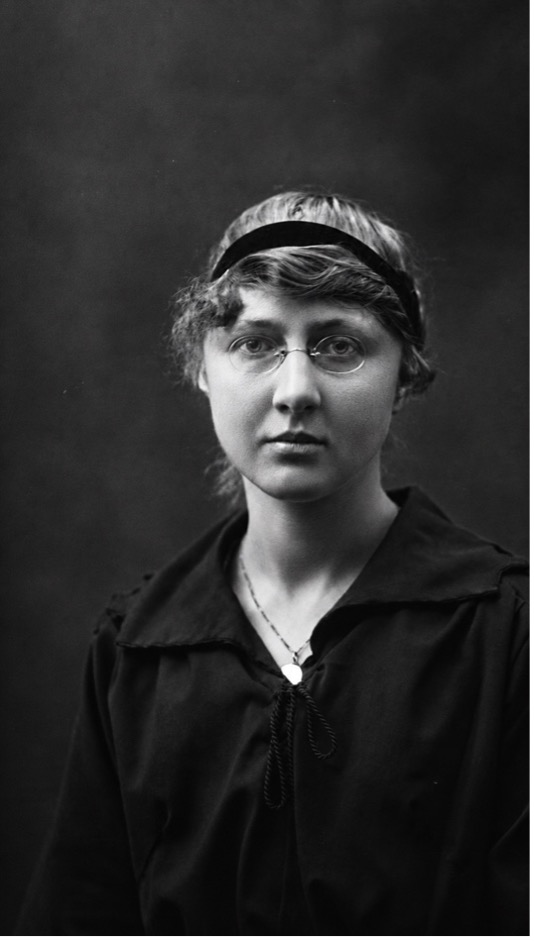
Last winter I photographed a woman who had come to my atelier. She complained that the corner where I had placed her was too dark and asked why I did not move her nearer the window. I did as she wished, but when I developed the plate I preferred the first exposure. In the brighter photograph I could see more of her face, certainly, but somehow I could see less of her. I thought of your letter.
It made me wonder what it must be like to have spent so much of one’s life seeking light and then find that one’s own eyes can no longer welcome it. Has it changed the way you see, not merely in the physical sense, but in the way you notice and remember things?
Photography gives us a peculiar confidence in the visible. I can take out a plate made twenty years ago and find a face preserved with astonishing precision, and yet realise that I have completely forgotten the person’s voice. At other times I remember a voice, a laugh or the way someone entered the room, although I can no longer see the face clearly in my mind.
Perhaps what we see and what we remember have less to do with one another than I once thought.
With warm greetings from Oskarström,
Engla Hägertz
P.S. I have enclosed the first photograph of the woman I mentioned, the one she thought too dark. I do not believe she ever saw this version. I gave her the brighter one she preferred.
Axel Munthe → Engla Hägertz
Torre di Materita, October 1931
Dear Miss Hägertz,
Your photograph reached me safely, and I think you were right to prefer it. I know nothing about the technical requirements of photography, but the woman appears entirely at ease in her shadows. Had you placed her any nearer the window, I suspect she might have become less interesting, although perhaps she would have been more satisfied.
Your question about my eyes is more difficult to answer. You ask what happens when a man who has spent much of his life seeking light discovers that light has become his enemy. For a long time my answer would simply have been that he becomes extremely bad-tempered.
I built San Michele for the sun. I wanted it everywhere: across the loggia in the morning, on the white walls, between the columns, upon the garden and the sea. I had lived through enough northern winters and enough dark rooms occupied by sick people to know precisely what I thought paradise should contain, and a great deal of sunlight was part of the arrangement. I did not consult my eyes on the matter. They eventually protested.
That is one reason I spend so much time here at the Torre di Materita. The old walls are kinder, and I can withdraw when the brightness becomes too much. At first I resented every limitation. I still do, if I am to be truthful. We should be suspicious of people who convert every misfortune into wisdom. I would willingly surrender several philosophical insights in exchange for better eyesight.
Yet I have discovered that I know the island differently now. There was a time when I walked through San Michele and took in the whole spectacle at once: the white walls, the columns, Monte Solaro above me, the blue expanse below and some dog asleep where it had been expressly forbidden to sleep. Now the world often arrives in smaller pieces. I recognise where I am from the sound beneath my feet, from the change in the wind as one approaches the edge of the garden, from the scent of a tree before I can distinguish its branches. Memory does the rest, although it is an unreliable assistant.
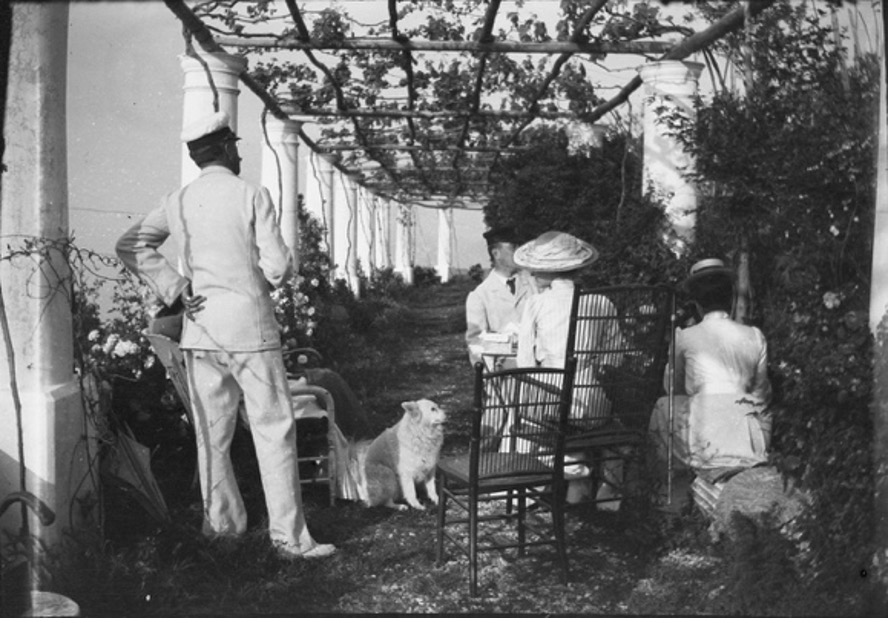
You are right about voices. There are people whose faces I can no longer summon properly, but whose voices return without invitation. A sentence spoken forty years ago in Paris can suddenly become clearer than something said to me yesterday. I remember footsteps on stairs, a particular laugh, the sound of a carriage outside a window. None of these things would have appeared in a photograph, and yet they have survived.
This is why I am not sure that memory resembles photography at all. Your camera records what stood before it at a particular instant. Memory is far less disciplined. It keeps what it pleases, alters what it dislikes, and sometimes returns to us something we had no idea we had preserved.
You wrote that a face needs its shadows. I think perhaps a life does too. If everything remained equally illuminated, we should be overwhelmed by it.
Yours sincerely,
Axel Munthe
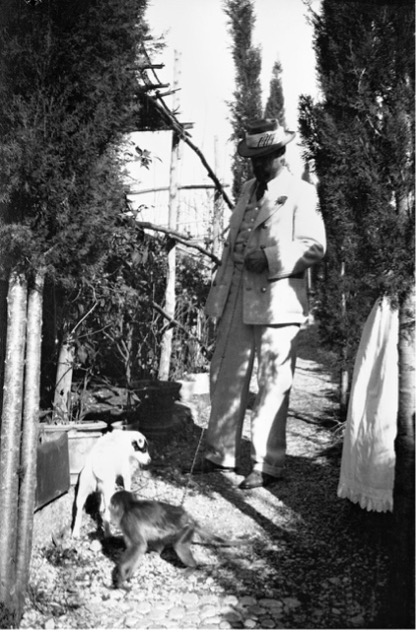
P.S. Since you sent me one of your subjects, I am sending you one of Queen Victoria’s. It’s some older photographs she made of me at San Michele. She was an accomplished photographer and knew the place well enough not to be impressed by its owner. You may find it interesting to see what happens when the doctor is made to stand on the other side of the lens.
III. The Distance Inside a Portrait
Engla Hägertz → Axel Munthe
Oskarström, February 1934
Dear Dr Munthe,
I have kept Victoria’s photograph beside the Sphinx, and over time I have become almost as interested in the person behind the camera as in the man standing before it. Had you not told me who made the photograph, I think I would still have guessed that the photographer knew you.
There is a difference when we photograph someone familiar to us. Most people who enter my studio are strangers. I have only a short while to observe them before I am expected to make a picture that they and their families may keep for decades. I have learned to use the moments before the photograph almost as much as the exposure itself. While I prepare the plate or move a chair, people forget for a moment that they are being watched. A husband turns towards his wife. A mother reaches automatically for her child’s collar. Someone who has been sitting stiffly suddenly laughs.
Those small movements often tell me more than the pose they have carefully prepared.
A family came to me last winter: a mother and father with their children, the youngest still small enough to be held. It took some time to arrange them. One child shifted in her chair, another stared solemnly at the camera, while the little ones seemed determined not to sit as I had intended. I kept moving them by inches — a shoulder this way, a chair that way — trying to make the group settle into a pleasing order. Then I stopped.
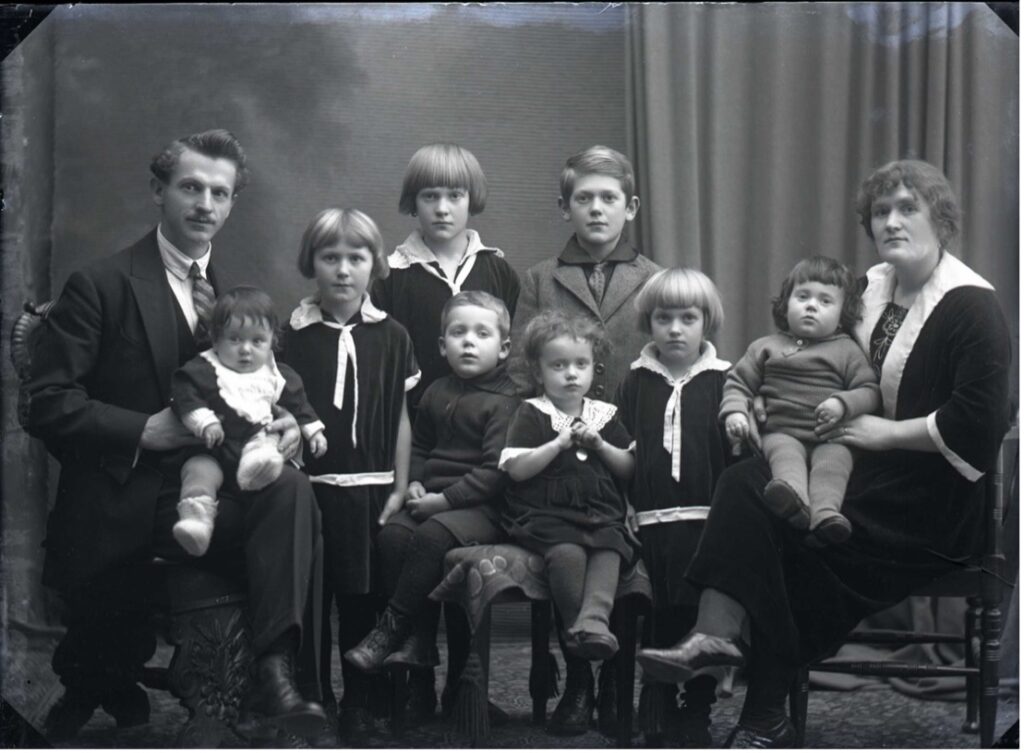
When I developed the plate, I realised that what interested me was not the order at all. It was the small differences: the child clasping her hands, the boy leaning slightly towards his sister, the baby resting against his mother, the father holding the youngest close.
Years from now, they may not remember the afternoon or why they came to my studio. But perhaps they will recognise these gestures. A photograph remembers things we do not yet know we will forget.
Your photograph made me think about this because you do not seem to be presenting yourself to Victoria’s camera. You simply appear to inhabit the place. Perhaps someone who knows us well can photograph what a stranger cannot because there is less need to explain who we are.
But family photographs have also taught me that physical closeness can be deceptive. I have photographed husbands and wives whose shoulders touched and yet who seemed separated by a great distance. I have seen children lean unconsciously towards one parent rather than another. None of this tells me what their lives are actually like, and I would never pretend that it does. The camera is not a judge. But it notices things.
I wonder whether medicine taught you something similar. You must have met people in circumstances in which they could no longer maintain the version of themselves they ordinarily presented to the world. Did you come to believe that there is a truer person beneath the social one, or did you find that we simply contain many different selves?
With affection from Halland,
Engla Hägertz
Axel Munthe → Engla Hägertz
Torre di Materita, April 1934
Dear Engla,
Your family portrait interested me more than it should have. I could see the whole scene while reading your description: the children shifting and fidgeting, the parents trying to keep the youngest ones still, and you behind the camera moving a shoulder here, a chair there, searching for order. And then you stopped.
You chose wisely. The small gestures you allowed to remain may one day matter far more than the symmetry of the group.
Doctors and photographers share the peculiar privilege of seeing people when they are not entirely prepared to be seen. Your advantage is that they generally arrive wearing their best clothes. Mine have often been deprived of both their clothes and their dignity before our acquaintance has properly begun.
I once believed, as young doctors often do, that illness stripped away the superficial person and revealed the true one beneath. I no longer think it is so simple. I have seen men who were courageous in public become terrified when told they were ill, and women considered timid by everyone around them show astonishing calm when someone they loved was dying. I have known people capable of great kindness towards strangers who made life very difficult for those closest to them. I have known the reverse as well. Which was the real person? I would now say all of them.
Perhaps this is one reason I have become wary of portraits that appear to explain too much. A human being is not a single expression that the clever photographer merely has to discover. We change according to whom we are with, what we fear, what we hope for and what we believe is expected of us.
Your family photograph is particularly interesting because at first it appears to tell a very simple story. Here is a family. They have dressed carefully, gathered together and agreed, for the duration of your exposure, to inhabit the same small rectangle. Anyone looking at it today probably knows who everyone is and understands the relationships without explanation.
But imagine the same photograph found in a drawer fifty years from now. Someone will turn it over hoping for names. They will wonder about the grandmother’s hand, why one child looks towards the father while another looks away, whether the young couple were happy, and what became of them all. The photograph will contain all those people and none of the answers.
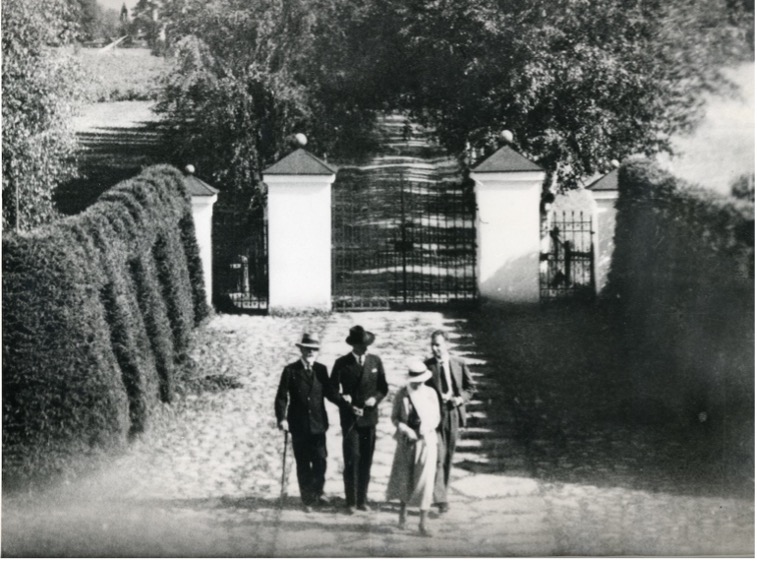
Your letter also made me look through some family photographs of my own. This was not an entirely comfortable exercise. Families do not remain conveniently arranged as photographers place them. Children grow up, husbands and wives discover distances no camera could have measured, and people who once occupied the centre of our lives move towards its edges while others unexpectedly take their place.
I found one photograph that I thought might interest you. It was taken at Hildasholm in Sweden. Hilda is there, and our sons Peter and Malcolm, and I am there too. We are together in the picture, which is true. But, as you wrote, a photograph can place people very close together without telling us how far apart their lives may have travelled.
I do not think that makes the photograph false. Perhaps it simply reminds us that a photograph can only tell the truth about one moment at a time.
Yours,
Axel Munthe
P.S. You have now seen me through Victoria’s eyes and through the eyes of a family camera. I am beginning to feel dangerously over-exposed.
IV. The Truth We Arrange
Engla Hägertz → Axel Munthe
Oskarström, November 1937
Dear Axel,
Your family photograph has been in my collection for several years now, and I thought of it recently while going through some of my older plates. I have begun trying to bring a little order to them, although every attempt seems to create two new piles from the one I intended to remove. There are thousands of faces.
Some I recognise immediately. Others require a name written on an envelope or a note in an old book before the person returns to me. There are also photographs whose circumstances I remember more clearly than the people themselves. I know that it was raining that afternoon, or that someone’s horse was tied outside, or that Anna was helping me in the studio, yet the name of the person sitting before the camera has vanished completely.
Looking through so many photographs has made me increasingly aware of how much I chose without thinking of it as choosing. I decided where the edge of the picture would fall, who would stand beside whom, which chair would be used and when everyone had become still enough for the exposure. If a room was untidy, I moved the untidiness beyond the frame. If someone blinked, I made another plate. If two photographs were possible, I gave the family the one I thought better. None of this troubled me when I was younger. It was simply photography. Now I sometimes wonder about it.
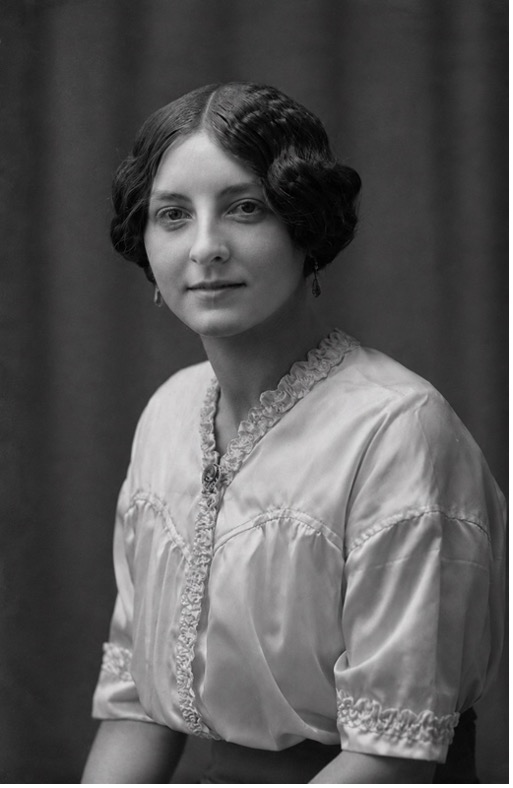
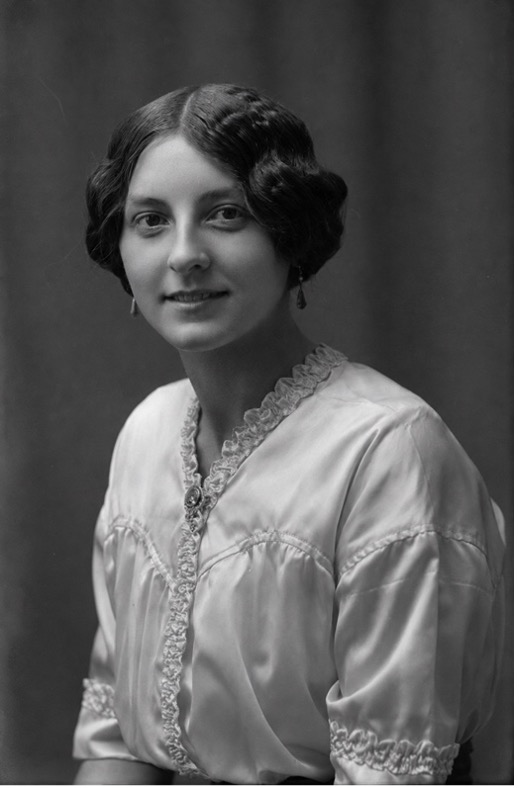
I have also returned to your book, and perhaps this is why these thoughts have come together. When I first read The Story of San Michele, I imagined I was being shown your life much as someone might open an album and explain the photographs one by one. Reading it again, I notice something else. You move between memory, story, dream and recollection with a freedom my camera does not possess. At times I find myself wondering not whether something happened precisely as you describe it, but why this is the way you chose to remember it.
I hope you will not think the question impertinent. I mean it seriously, because I have begun to suspect that photographers and writers may be doing something more similar than I once believed.
I arrange people inside a frame. You arrange memories inside a story. Neither of us can include everything. Does choosing what to leave out make what remains less true?
Yours affectionately,
Engla Hägertz
Axel Munthe → Engla Hägertz
Torre di Materita, January 1938
Dear Engla,
Your question is not impertinent. It is inconvenient, which is much better. I have looked at the two photographs you sent. Had you enclosed only one of them, I should have accepted it without question as the image of that person at that moment. Because you sent both, I find myself moving between them and wondering which is more truthful. In one the expression is more open; in the other the person seems withdrawn. They were made within minutes of one another, and presumably neither is false. That should already tell us something about truth.
When I began writing about San Michele, I was not sitting before a ledger with the intention of producing evidence. Much of what I wrote came back to me across a great distance of time. Paris belonged to another man, although that man happened to have my name. Rome had changed, Capri had changed, and I had changed most of all. People who had once been alive in my memories were now dead, and conversations returned to me without any guarantee that the words had been spoken exactly as I remembered them.
I could have refused to write anything I could not prove. The result might have been more accurate and considerably less true to the life I remembered.
Life itself is a great storyteller, Engla. Memory merely continues the work. It compresses years, enlarges an afternoon, preserves one conversation and discards a hundred others. We do not remember our lives evenly. By the time the writer takes up his pen, the first editing has already been done for him.
This does not mean that facts are unimportant. A writer who deliberately deceives his reader is merely a liar with good stationery. But perhaps your camera is more honest about its limitations than memory is. The frame is visible. Everyone understands that the world continues beyond its edges. Nobody looks at one of your photographs and assumes that nothing existed outside it. A book hides its frame more successfully.
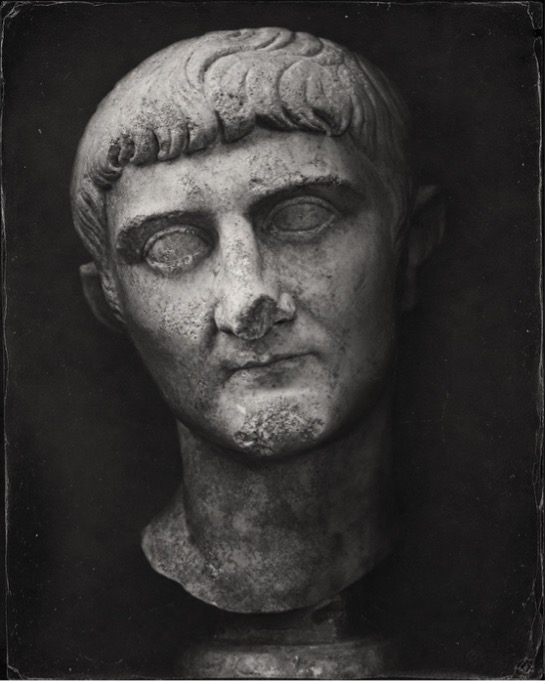
Capri has taught me something about this as well. Long before you or I were born, Tiberius, the Roman emperor who spent the final decade of his reign on Capri, looked out over this same island while governing his vast empire from here. His villas became ruins, his life became history and legend, and fragments of the Roman world still emerge from the earth. At San Michele there is an ancient marble head which we call Tiberius, although there has been disagreement over whose face it actually represents.
I rather like the uncertainty. The man has disappeared, the empire has disappeared, even the certainty of whose face we are looking at has disappeared — and still the marble remains.
Perhaps places are always being made in this way. One person leaves something behind without knowing who will find it. Another discovers it, gives it a new place and, inevitably, a new story. San Michele became such an accumulation for me: fragments, statues, columns, memories, people and animals gathered over many years until I could no longer say precisely where the place ended and my own story of it began.
Perhaps your photographs will experience something similar. Today you know the names of the people before your camera and something of the circumstances that brought them there. One day someone may find one of those photographs without knowing anything about the person in it. The clothes will belong to another age, the house may have disappeared and even the name may be lost. Yet the face will still be there.
Would that make the photograph less true? I don’t think so. It would simply have become part of another story.
You ask whether choosing what to leave out makes what remains less true. I think it depends upon what we are trying to preserve. Perhaps neither the photographer nor the writer can preserve a life. We can only leave fragments from which someone else may one day imagine the whole.
Your two photographs have convinced me of one thing at least. Had you made a third, I should now have three truths to worry about instead of two.
Yours,
Axel Munthe
Enclosed: A photograph of the ancient Roman marble portrait at San Michele, traditionally associated with Tiberius — a face surviving long after certainty about the person behind it has begun to fade.
V. The Places We Carry
Engla Hägertz → Axel Munthe
Oskarström, February 1944
Dear Axel,
News travels strangely in these years, sometimes quickly and sometimes not at all, and I heard only some time after the event that you had left Capri and returned to Sweden. I have thought several times of writing, but I was uncertain where a letter would find you.
I cannot imagine San Michele without you, although of course this is foolish, since I have never seen San Michele with you either. Perhaps that is the peculiar consequence of having known a place first through another person’s words. In my mind you and the island became attached to one another long ago.
I remembered what you wrote in your first letter to me, that there are many ways of arriving at a place. You were consoling me then for never having continued my journey south from Paris. Now I find myself wondering about the opposite journey. What happens when one must leave a place one has spent half a lifetime making one’s own?
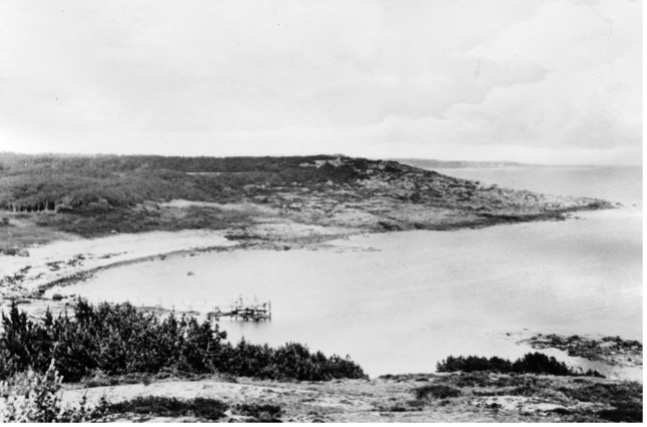
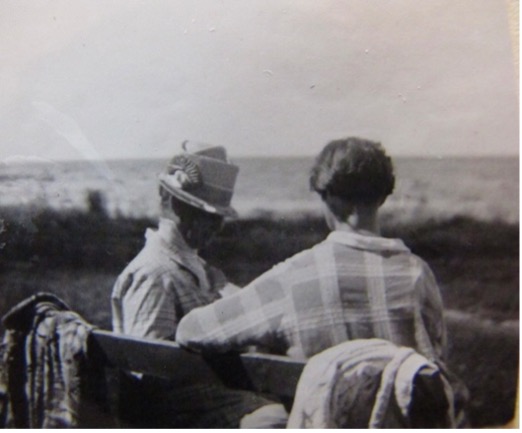
There is another reason I have been thinking about places. Some years ago I was invited to spend more time at Klipperhus in Tylösand, a house belonging to my family, looking out towards the Kattegat. I found myself doing there what I had done, almost without thinking, around my studio and our house in Oskarström: moving things, planting, making small places to sit or pause, noticing where the light fell and where the eye travelled.
It made me understand your San Michele a little differently. I do not mean to compare my modest arrangements with what you created on Capri, but I began to recognise the pleasure of allowing a place to emerge slowly around you. A path changes because one repeatedly chooses to walk another way. A plant is moved because the evening light catches it better elsewhere. A chair finds the place from which the eye naturally travels towards the horizon.
Klipperhus looks out over water too, although the Kattegat would object strongly to being compared with the Mediterranean. The wind is sharper, the colours quieter, and there are days when sea and sky seem made from almost the same grey material. Yet I have discovered that the places we return to repeatedly acquire a kind of inner geography. One knows where the evening light will fall, which path holds water after rain, where the first spring flowers appear and from which place the horizon looks widest.
Perhaps this is another form of image-making, only one that we enter rather than look at.
I wonder whether you still walk through San Michele in that way. Perhaps when we have known a place long enough, leaving it does not mean that we cease to inhabit it.
I am sending you a photograph of our sea. Many years ago I sent a similar view to a friend who was thinking about Paris. I wrote then that I did not know whether the sea in the photograph was a beginning or an end. I was younger and apparently more inclined to make mysteries of such things.
Now I think perhaps a horizon can be both.
With affection,
Engla Hägertz
Axel Munthe → Engla Hägertz
Stockholm, March 1944
Dear Engla,
Your Halland sea has reached me in Stockholm, where it has been placed where I can see it from my chair. I am grateful for it, although you are correct that the Mediterranean would regard the comparison as an insult.
I left Capri last June. Writing that sentence still feels peculiar.
For more than fifty years I had been arriving at and departing from that island, sometimes for months, sometimes for longer, always with the assumption that I would return. Even when I lived elsewhere, Capri remained somewhere ahead of me. There would be another crossing, another climb up to Anacapri, another morning when the sea appeared between the columns. This time I knew it might be different.
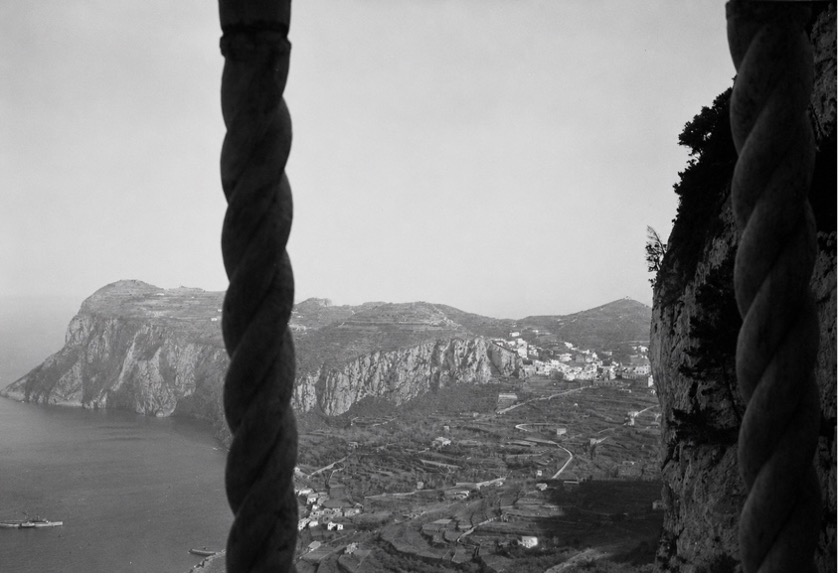
The war has made departures commonplace, and mine is hardly among its great tragedies. I have lived longer than most men have any right to expect and have been fortunate beyond reason. Yet age does not make leaving easier. It merely gives one more things from which to depart.
You ask whether I still walk through San Michele. Yes. But not in the way you mean.
I can begin at the entrance and make my way through the house without moving from this room. I know where the light changes. I know where the dogs would stop. I know the turn towards the chapel and the place from which the sea suddenly opens below. I can go on to Materita and hear the wind against the Torre.
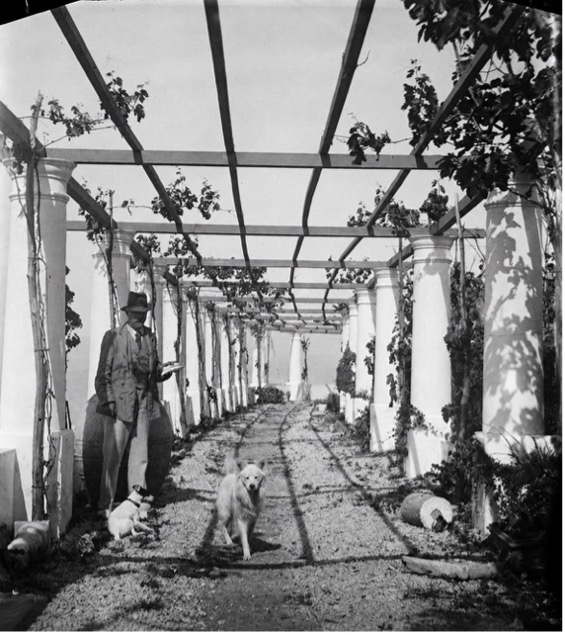
Whether I remember all of it correctly no longer seems particularly important.
Your photograph helped me understand something. I have never stood on that Halland shore, yet after all these years of your letters I recognise something of it. Not the landscape itself, but the way you have looked at it.
Perhaps this is one of the things photographs can do that we have not spoken about before. They do not merely preserve a place for the person who has left it. They can give some part of that place to someone who has never been there.
You never came to Capri, Engla. Yet I suspect you know something of my island. And now I know something of your sea.
Yours,
Axel Munthe
VI. What We Leave Behind
Engla Hägertz → Axel Munthe
Oskarström, January 1948
Dear Axel,
I have been sorting photographs again. You would think that after all these years I should have learned not to begin such a task in winter, when there is too much darkness and therefore too much time to continue. The difficulty is no longer simply the number of plates. It is the names.
There are faces I once knew perfectly well whose names now escape me. Some can be recovered by asking someone older in the village, but there are fewer people left to ask. Occasionally a younger person comes to the studio and recognises a grandfather or an aunt in a photograph I had almost given up identifying. At such moments the picture seems to wake again. But I have begun to wonder what happens when no one recognises the face. Does the photograph then cease to be a memory and become something else?
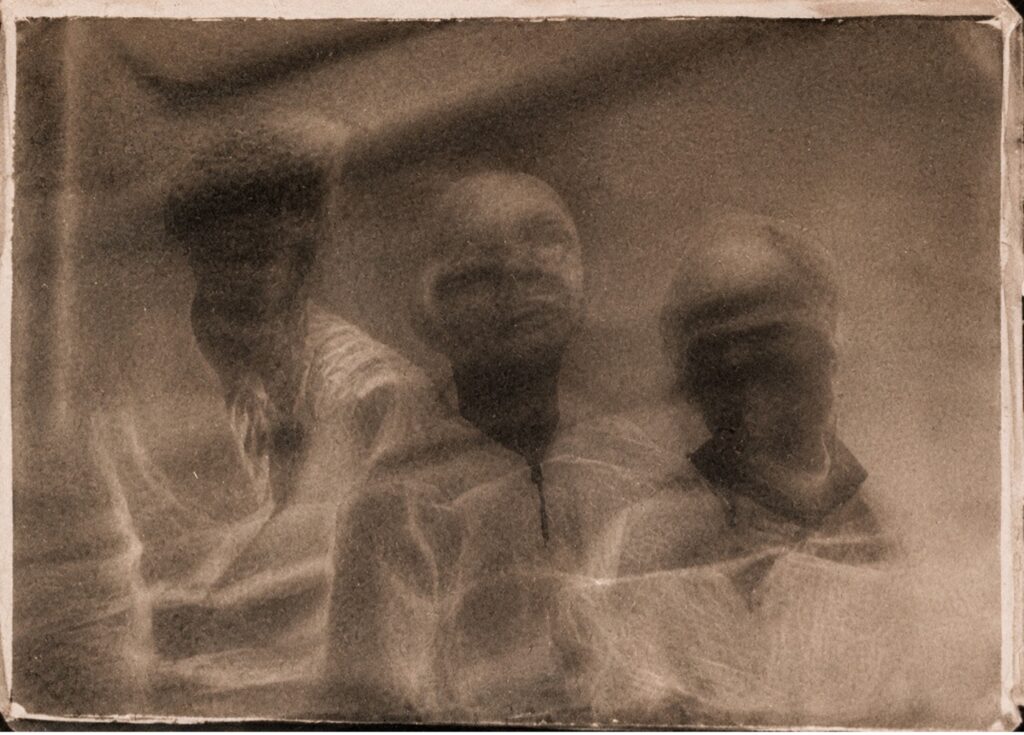
I used to think my work was for the people who came to the studio. A family wanted a portrait; I made it; they took it home. It was a straightforward transaction. Only much later did I understand that the photographs were quietly becoming a record of a place and of people who had lived here.
The factory worker in his best jacket, the young woman before her marriage, the child who would later leave Oskarström, the old couple who had perhaps never before been photographed — none of us thought of history when the shutter closed. We were simply making photographs.
I have heard that you have been thinking about the future of San Michele. It made me think of our first letters, when I asked whether a place could gather the lives that passed through it. Perhaps I should now ask the opposite question. What happens when the person who gathered them is no longer there?
I have my plates and negatives. You have San Michele. Both will outlive us if someone chooses to care for them, although I imagine your marble will prove more durable than my glass. Does it matter who sees them next?
With affection,
EEngla Hägertz
P.S. I am sending you an old glass plate. It is not one of my finest photographs, and that is partly why I chose it. I no longer know the name of the person in it. Still, someone stood before my camera that day and trusted me to make an image. It seems wrong that the disappearance of a name should make the face unimportant.
Axel Munthe → Engla Hägertz
Stockholm, February 1948
Dear Engla,
Your glass plate arrived intact, which at our age is more than can always be said of the correspondents. I have held it carefully to the window.
I do not know the persons either, of course. I do not know whether the face belongs to someone who lived a long life or a short one, whether the person remained in Halland or travelled far from it, whether there were children, disappointments, happiness, quarrels, ordinary Tuesdays. Almost everything that once surrounded that face has disappeared. And yet the face remains.
I think you are wrong to worry that the photograph has ceased to be a memory simply because the name is gone. Perhaps it has ceased to be someone’s memory and has become part of something larger.
I have been thinking a great deal about San Michele and what will happen to it. At ninety, even an optimist must concede that certain arrangements should not be postponed indefinitely.
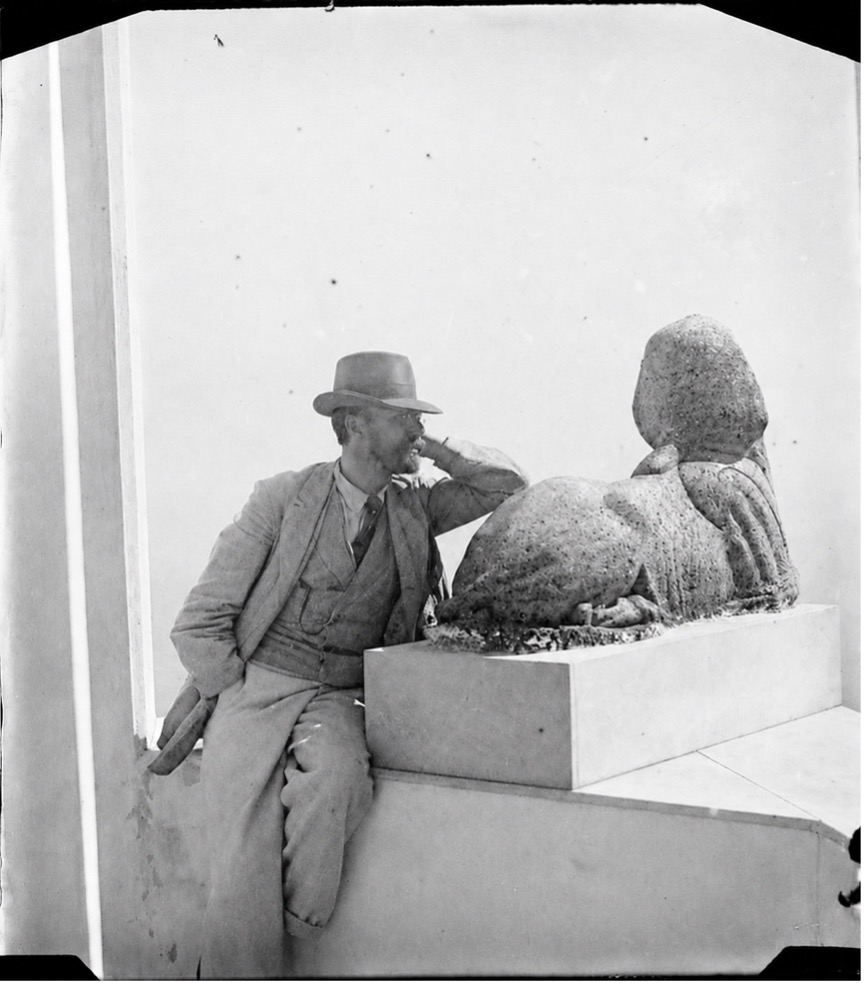
When I began building there, I thought very little about posterity. I was trying to make a place in which I wanted to live. Stones were moved because I wanted them moved. Trees were planted because I wanted shade. The Sphinx was given her horizon because I could think of nowhere better for her to look.
The house itself was small and the rooms were few, but there were terraces from which one could see the sun, the sea and the clouds. I came to think that the soul needed more space than the body.
Perhaps that is also why I like the thought of San Michele continuing without me. I have decided that it should go to Sweden after my death and remain a place where others may come — young people especially, artists, writers, scholars and those whose work might benefit from Italy and from the strange freedom that can come from being temporarily removed from one’s ordinary surroundings.
I like the thought that people whose names I shall never know may sit beneath those trees.
Yours affectionately,
Axel Munthe
P.S. I send you the Sphinx once more. You have had one photograph of her for nearly eighteen years, but I think she means something different now. She is still looking towards the same horizon. We are the ones who have changed.
Epilogue — What Remains
Engla Hägertz and Axel Munthe most likely never wrote to one another. Yet the traces they left behind make an imagined conversation possible.
Engla’s photographs preserve thousands of moments from lives lived largely outside history books. Munthe left photographs too—not primarily taken by him, but of the world around him—as well as his writing and Villa San Michele itself: a place assembled from gardens, objects, memories and fragments of much older lives.
Both also shaped places around them. Engla did so first around her photographic studio and home in Oskarström, and later at Klipperhus in Tylösand, looking out across the Kattegat. Munthe did so on a far grander scale at San Michele, looking across the Mediterranean. In both, there was an attention to light, nature, views and the experience of being within a place.
Today, people neither Engla nor Axel could have imagined continue to encounter what they left behind. We look into faces Engla photographed without always knowing their names. We walk through Munthe’s gardens among fragments whose original owners disappeared centuries before him.
Perhaps that is where this imagined correspondence finally comes to rest.
We cannot know what of our lives will remain, or what stories others will make from the fragments. We can only leave something for them to find.
A Note on the Imagined Correspondence
The letters in What Remains are fictional. Engla Hägertz and Axel Munthe were real people, and the correspondence has been woven around documented aspects of their lives, places and times, but there is no known evidence that they met or corresponded.
Some words and ideas attributed to Munthe draw directly on his own writing, including his reflections on light, San Michele and the relationship between body, soul and place. Historical events and people appearing in the letters — including Queen Victoria, Hilda Pennington Mellor, Tiberius, Villa San Michele and Torre di Materita — are grounded in historical sources. The conversations between Engla and Axel, however, belong to imagination.
Where history leaves spaces, this project asks what might become visible if we allow two lives to meet there.
Selected References & Further Reading
Axel Munthe and Villa San Michele
Villa San Michele — official history, Munthe, the house, collections and archives:
https://www.villasanmichele.eu/
Villa San Michele — Axel Munthe:
https://www.villasanmichele.eu/munthe
Villa San Michele — The Story of San Michele:
https://www.villasanmichele.eu/book
Villa San Michele — historical photographs, including Munthe, his family, animals, friends and life on Capri:
https://www.villasanmichele.eu/historicphotos
Villa San Michele — collections, including the ancient Roman portrait associated with Emperor Tiberius:
https://www.villasanmichele.eu/collection
Munthe in his own words
San Micheles Vänner — selected quotations from Axel Munthe, including his words on light, San Michele and the need of the soul for space:
https://sanmichelesvanner.org/website/citat/
Axel Munthe, The Story of San Michele, 1929 / Boken om San Michele, 1930.
Biography and historical background
Svenskt biografiskt lexikon — Axel Munthe, detailed biographical entry covering Paris, Rome, Capri, Queen Victoria, his marriages and later life:
https://sok.riksarkivet.se/sbl/Presentation.aspx?id=8548
Bengt Jangfeldt, En osalig ande: berättelsen om Axel Munthe.
Bengt Jangfeldt, Munthes Capri: en bildberättelse — particularly relevant to the photographic world surrounding Munthe and San Michele.
Hilda Munthe and Hildasholm
Hildasholm — the house, gardens and history of Hilda Pennington Mellor Munthe and her family:
https://hildasholm.org/
Photography around Munthe
Tekniska museet / Wikimedia Commons — historical photographs of Axel Munthe at Villa San Michele taken by Crown Princess Victoria, later Queen Victoria:
https://commons.wikimedia.org/wiki/Category:Axel_Munthe
Fondazione Primoli — photographic archive, an important source for the photographic world around Giuseppe Primoli and the international cultural circles of Rome and Capri:
https://archivio.fondazioneprimoli.it/archivio/fotografico
https://slakthistoria.se/livet-forr/livsode/axel-munthe
Engla Hägertz
Family photographs, archival material and personal family history concerning Engla Hägertz have informed the Engla side of this artistic exploration. Her journeys, photographic practice and the places she shaped in Oskarström and Tylösand remain part of my continuing exploration of her life and work.
Engla Hägertz From Treshold to Horizon
Previous Imagined Letter Exchanges with Engla
About Novisali

Novisali, (alias Liselotte Engstam), is besides her roles as professional board member and advisor, a multi-media artist, with a curious, explorative mind and an ambition to learn and extend art experiences to current and new audiences using both traditional and new digital mediums. More information and exhibitions can be found via Novisali.com

This blog post was originally shared at www.digoshen.com, and is also shared at the blog of www.liselotteengstam.com, with the artist name Novisali.