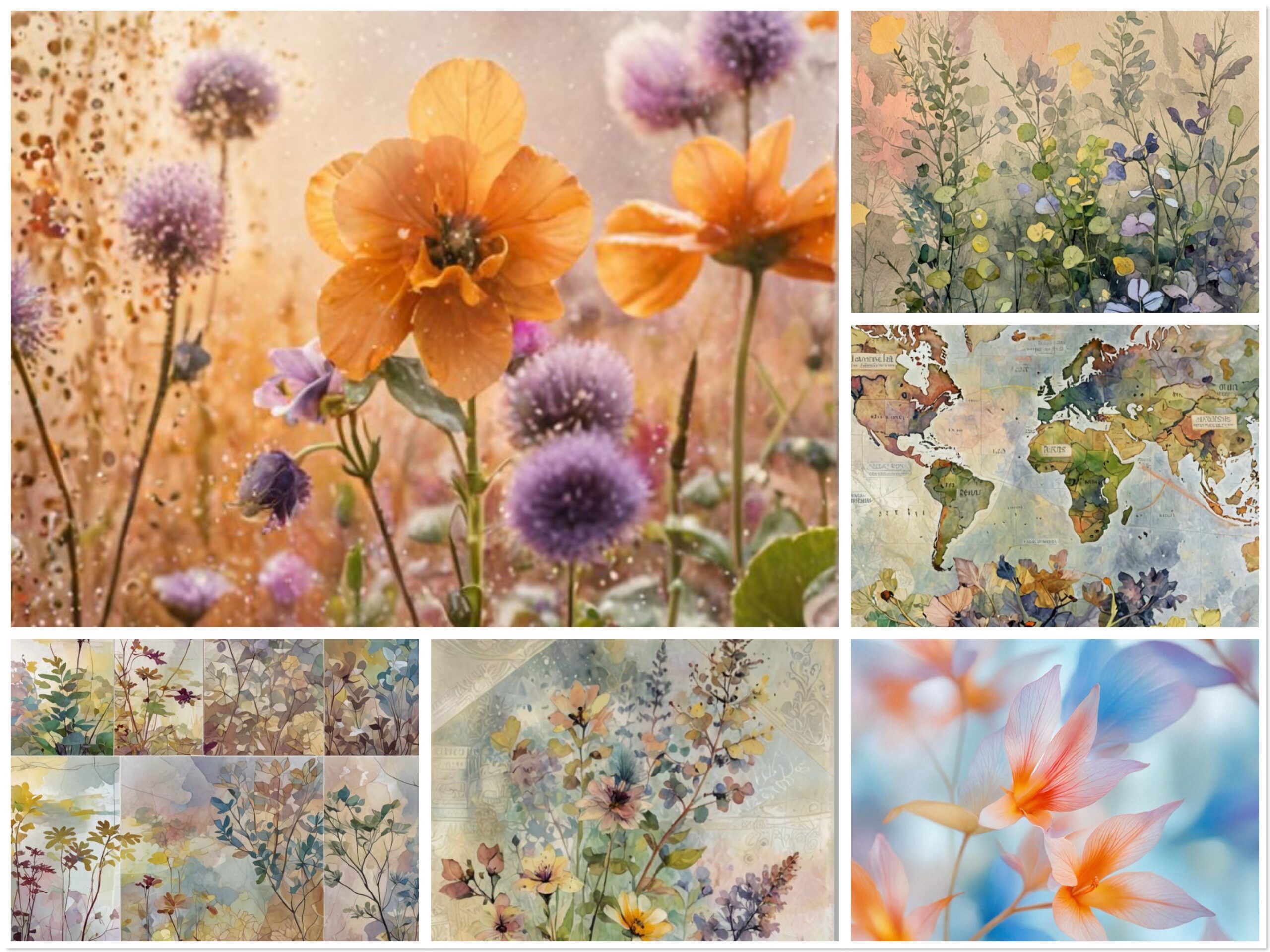
– a story of pressed petals, quiet revolutions, and Earth’s living memory.
(the blogpost in Swedish HERE)
Long before we could photograph a flower with a phone or model a forest from a satellite, we pressed its petals between pages.
We flattened beauty to remember it. And from that act — tender, deliberate — a quiet revolution in how we see the natural world began.
Ancient Roots: The Sacred Origins of Pressed Plants
Yet the story didn’t start in a European cabinet, or a Victorian parlor.
It began even deeper — in the warm breath of the desert, in the hands of the ancient ones.
In Egypt, over three thousand years ago, people dried flowers not just for beauty, but for eternity.
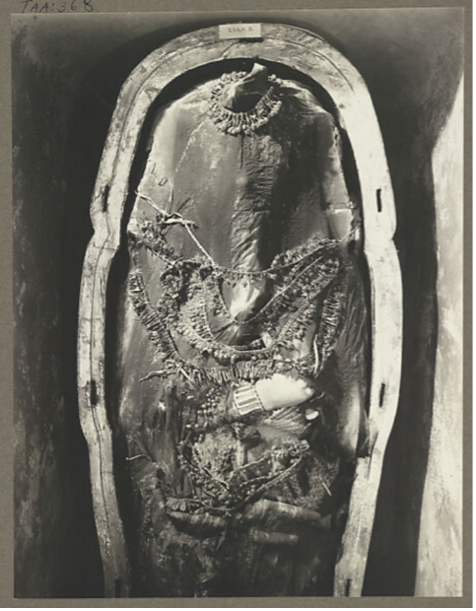
In the tomb of Tutankhamun, garlands of olive leaves, blue lotus, and cornflowers were found — perfectly preserved offerings to accompany the boy-king into the afterlife.
They believed that flowers held power: to honor, to heal, to guide the soul beyond.
The lotus, rising pure from muddy waters, became a symbol of rebirth.
Rose petals were laid beside the dead in acts of remembrance.
And scrolls like the Ebers Papyrus, one of humanity’s oldest medical texts, recorded the healing uses of over 700 plants.
They dried them, sorted them, used them with intention.
It was not called an herbarium — but it was a living archive, rooted in reverence.
Centuries passed.
The Garden of Stillness: Science, Discovery, and Classification
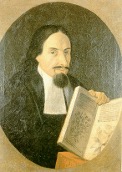
In Renaissance Italy, Luca Ghini began pressing plants flat, fixing them onto paper not to embalm the soul, but to illuminate the species.
He called it a hortus siccus — a dry garden.
He taught students to press leaves and flowers, not merely to heal, but to study, to compare, to learn from nature as it truly was, not only as the ancients described it. Not to heal the body, as the Egyptians had done, but to heal ignorance — to classify, to understand, to name. And so, the world’s first botanical archive was born — not a garden of growth, but a garden of stillness.
From Ghini’s dry garden, a new chapter began — humanity started building a library of life.
From there, the pressed garden bloomed across continents.
Explorers gathered flora like trophies.
Colonists pressed petals alongside their claims of land.
Scholars stored petals from Persia, petals from Peru.
In Kew and Calcutta, in Uppsala and beyond, cabinets filled with green whispers from every edge of Earth.
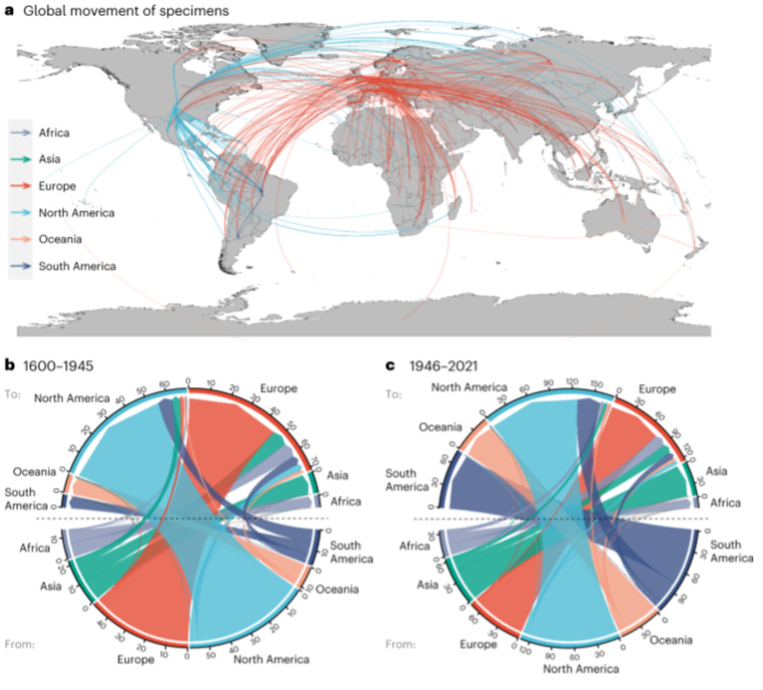
Not bound by season or soil, a herbarium could hold a mountain meadow in winter, or a jungle flower long gone to seed. It could let a Swedish botanist compare with a Brazilian one, a 21st-century student with a 16th-century explorer. Pressed between sheets lay the shared language of leaf and root.
“If you do not know the names of things, the knowledge of them is lost too.”
— Carl Linnaeus
At the same time as Linnaeus ordered the language of plants in his system, a new way of seeing nature spread across Europe.
In Stockholm, brothers Bengt and Peter Jonas Bergius continued the work, letting their home along Karlbergsvägen blossom into a botanical garden. Their herbarium and garden were later donated to the Royal Swedish Academy of Sciences and became the foundation of what is today the Bergius Botanic Garden. In the 19th century, the garden was moved to the shores of Brunnsviken, where the memory of their work followed. It remains there still, a living archive of nature’s stillness and transformation.
Such herbaria, whether born in Italy, in Linnaeus’ system, or in the Bergius brothers’ garden, were more than specimens. They were time travelers.
Each page told a story.
A flower from a colonial voyage — hopeful, or haunting.
A weed found by a child in a forgotten field.
A tree leaf gathered just before the forest was cleared.
A violet pressed by Emily Dickinson, inked with silence and verse.
A tomato from 1540s Italy — now extinct — whose DNA still whispers recipes for the future.
And with time, the herbarium expanded. Across Europe, explorers brought home the flora of distant lands, dried under foreign suns. In drawing rooms and university halls, pressed plants became symbols of curiosity, conquest, love, loss.
And alongside the science, art blossomed.
Art and Spirit: Flowers as Language and Revelation
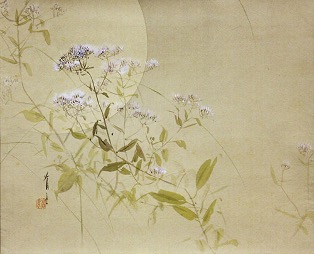
From early Persian manuscripts and Japanese Kacho-ga scrolls, to the intricate works of 18th-century artists like Maria Sibylla Merian and Mary Delany, botanical illustration became more than visual record—it became a devotional act.
To paint a flower in its precise, unfolding detail was to bear witness to the sacred geometry of life. Artists learned not only to see, but to revere. In Victorian parlors, the act of pressing, drawing, or arranging a plant was often imbued with spiritual meaning—connecting human fragility with nature’s cycles of decay and renewal.
In the Romantic era, plants became conduits for inner states: violets for humility, lilies for purity, mosses for memory.
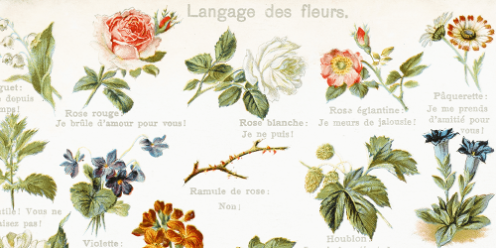
The language of flowers (floriography) encoded emotion and ritual, while esoteric thinkers in the Theosophical and Anthroposophical movements saw botanical forms as reflections of universal order, even cosmic consciousness.
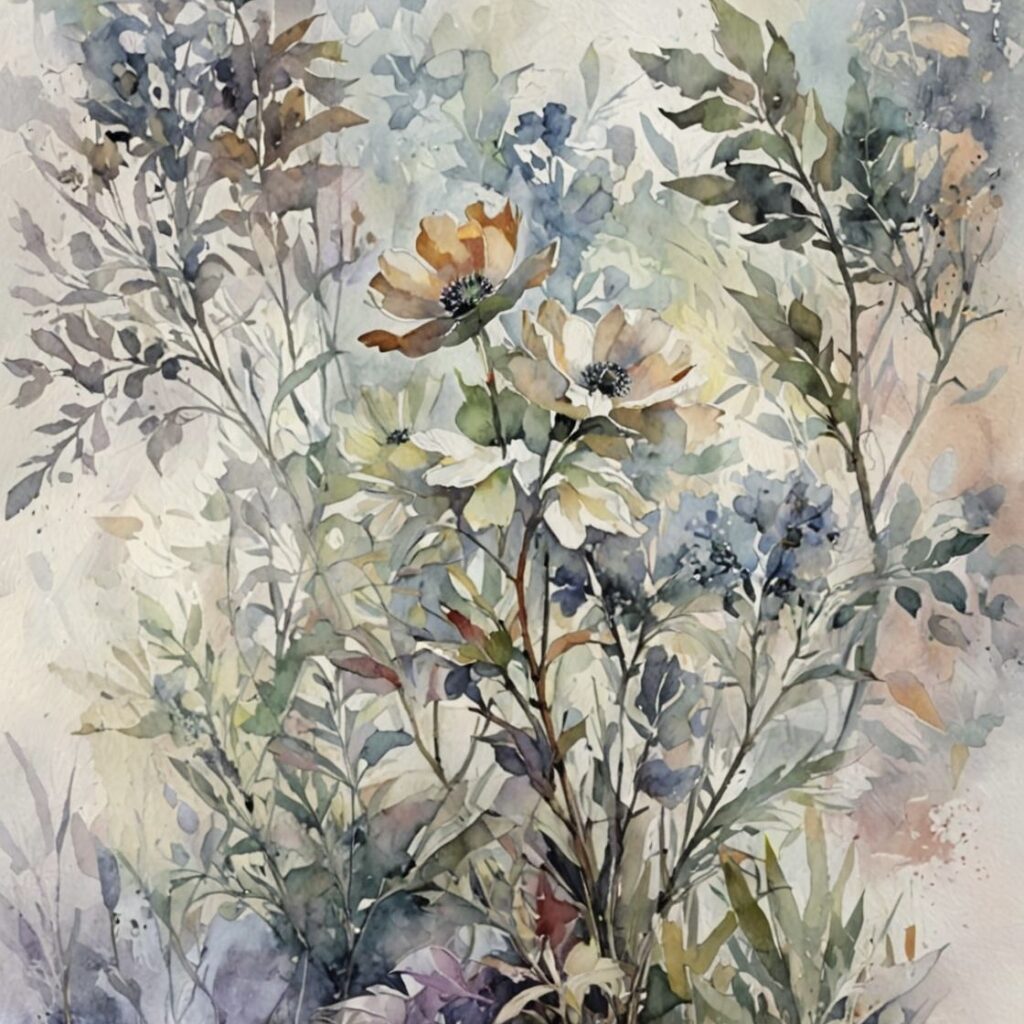
Botanical art was never just about accuracy—it was a way of listening.
A practice of stillness.
A meditation in pigment.
A communion with the invisible.
Amateurs and aristocrats alike assembled albums. Girls at finishing schools pressed primroses and labeled them in Latin. Botanists argued over names and lineage. Artists arranged specimens like mandalas. Linnaeus rearranged the world with his unbound pages, letting classification become conversation.
“I have shown, that there is a connection between the plant world and the world of the soul.” — Hilma af Klint
A herbarium was a place of order amid wildness, of learning forged in the stillness of decay.
And as centuries passed, we kept pressing.
We pressed in hope, in science, in grief.
Green Echoes: Herbaria as Time Travelers
Across shelves and drawers in museums and universities around the world, over 390 million plant specimens rest in stillness — mosses and magnolias, algae and acorns, extinct orchids and seeds of tomorrow’s medicine. But these aren’t just scientific collections. They are living archives of memory, climate, and care.
Today, herbaria are being reopened with new eyes.
– Scientists read leaves for signs of rising carbon and early blooming.
– Soil stuck to roots tells stories of lost forests.
– Ancient DNA offers clues for breeding drought-resistant crops.
These pressed petals, once gathered in silence, are now speaking to the future.
In labs, they are scanned and sequenced.
In classrooms, children press flowers with glue and wonder.
In galleries, they hang like green elegies to lost ecologies.
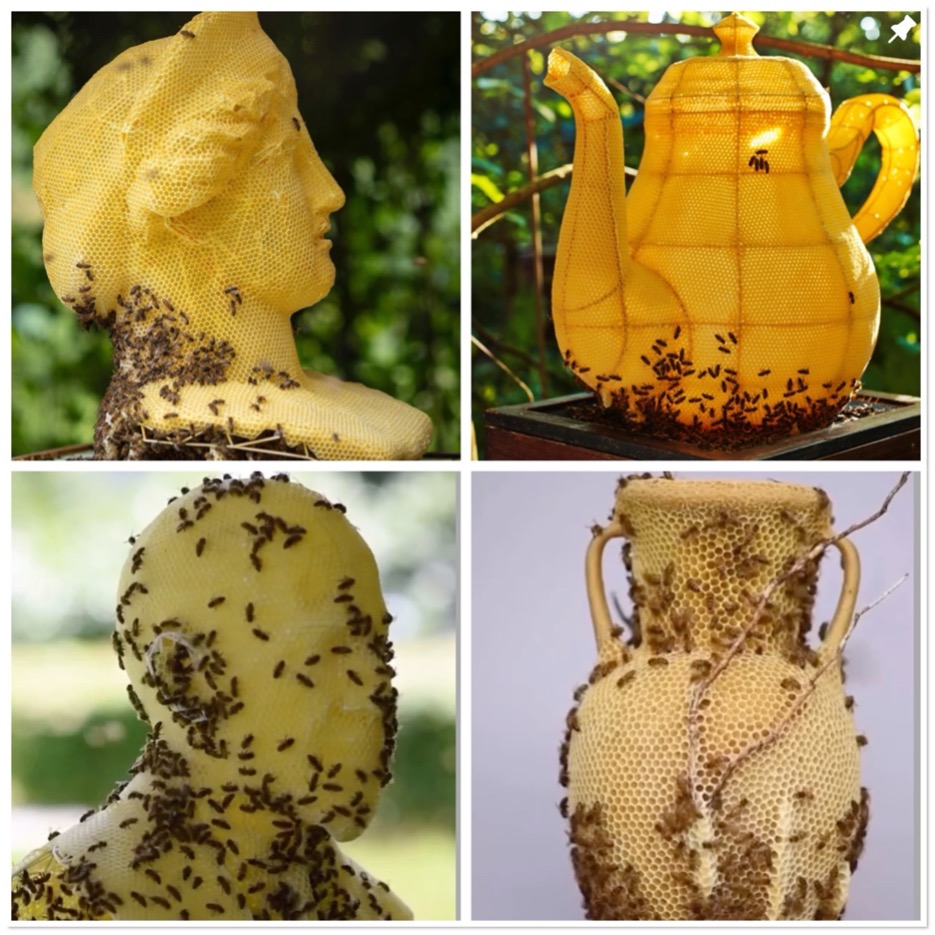
A herbarium is both a witness and a mirror.
It reflects our migrations, medicines, myths — and what we value enough to preserve.
In a single sheet, one can trace climate, culture, longing, and loss.
Each dried stem says: “I was here. I mattered.”
And still, we press on.
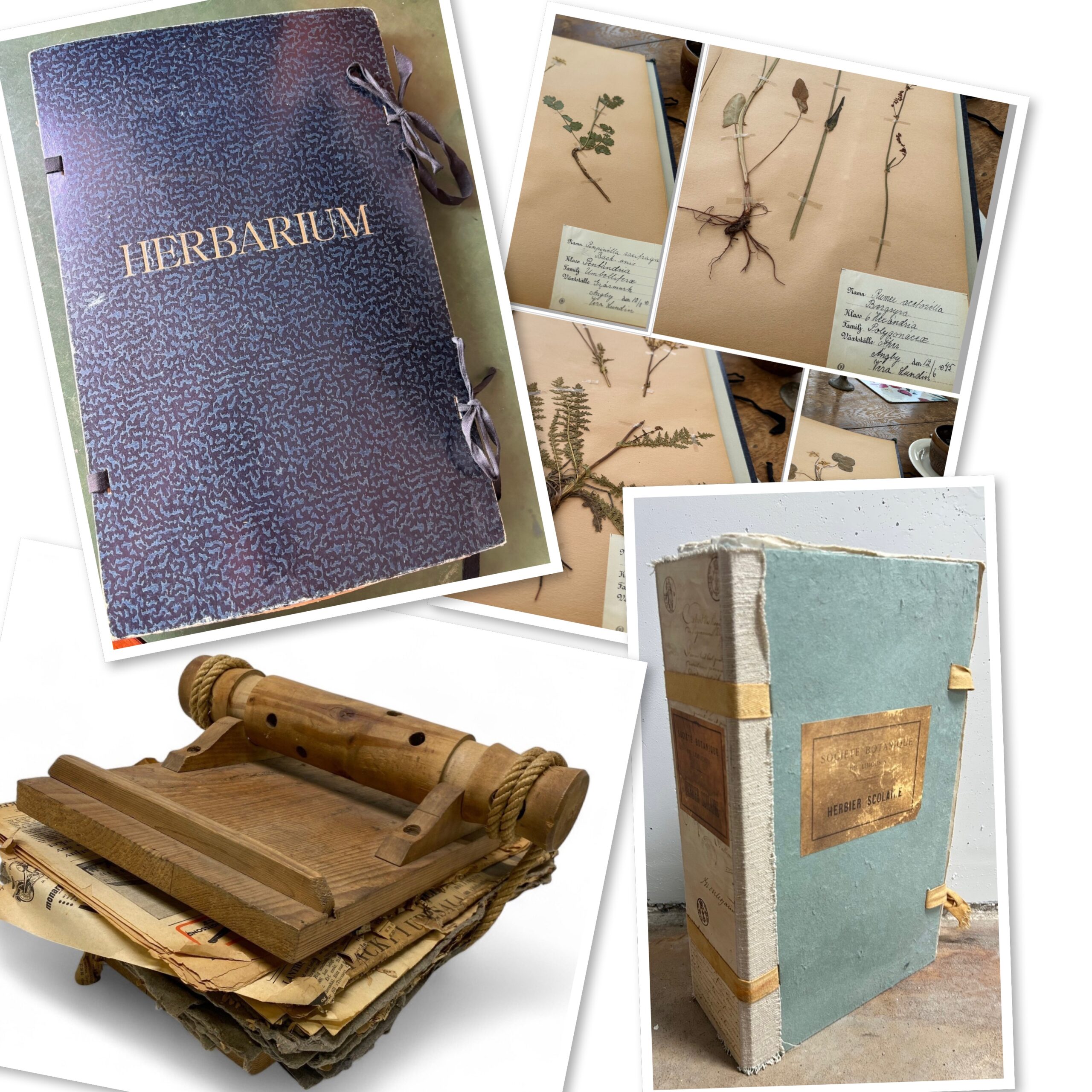
We press not just flowers — but stories. Moments. Warnings.
A weed gathered today may one day help someone understand the year everything changed.
Perhaps a future botanist will trace its veins.
A child will whisper: “So this is what it looked like.”
A scientist will find a missing cure.
An artist will ink poetry into the space between its petals.
A herbarium is not a graveyard —
It is a green echo.
A bridge between the ephemeral and the eternal.
A promise made with the Earth:
To see. To learn. To remember.t only knowledge,
But wonder.
Reimagining the Herbarium: Memory in the Digital Age
Today, the spirit of the herbarium continues to evolve — not only in drawers and folders, but through data, code, and imagination.
Projects like the Large Nature Model, an AI-powered encyclopedia of life, echo the ambition of centuries of plant collection: to understand, to remember, to care.
Artists like Refik Anadol transform ecological data into dynamic, dreamlike landscapes — letting forests, winds, and microbial rhythms speak through light and motion. Mini-documentaries like Biome Lumina and platforms such as the Dataland Museum invite us to step into immersive narratives where nature is no longer just observed — but felt, interpreted, and reimagined.
These are the new herbaria — built with sensors instead of scissors, shaped by algorithms, not atlases.
“If machines can dream, let them dream of Earth.”
— Refik Anadol, on his Machine Hallucinations: Nature Dreams project
But their aim remains the same:
To preserve wonder. To tell the story of life.
Explore related Virtual Art Exhibition: A Herbarium of Time
-an Art Exhibition of Memory, Knowledge, and Wonder
The Herbarium of Time by Novisali is a poetic virtual art exhibition exploring the centuries-old practice of pressing plants — not just as a botanical art, but as an act of memory, care, and cultural preservation.
From ancient garlands to digital archives, these fragile specimens speak across time: healing, naming, mourning, and remembering. Each pressed petal becomes a green time traveler, holding echoes of climate, culture, and curiosity.
More than an archive, this is a mirror of now and a whisper to the future — inviting us to slow down, press, and preserve what truly matters.
Memory in chlorophyll. Stillness as knowledge. Wonder, pressed into eternity.
Explore the Virtual Art Exhibition A Herbarium of Time:
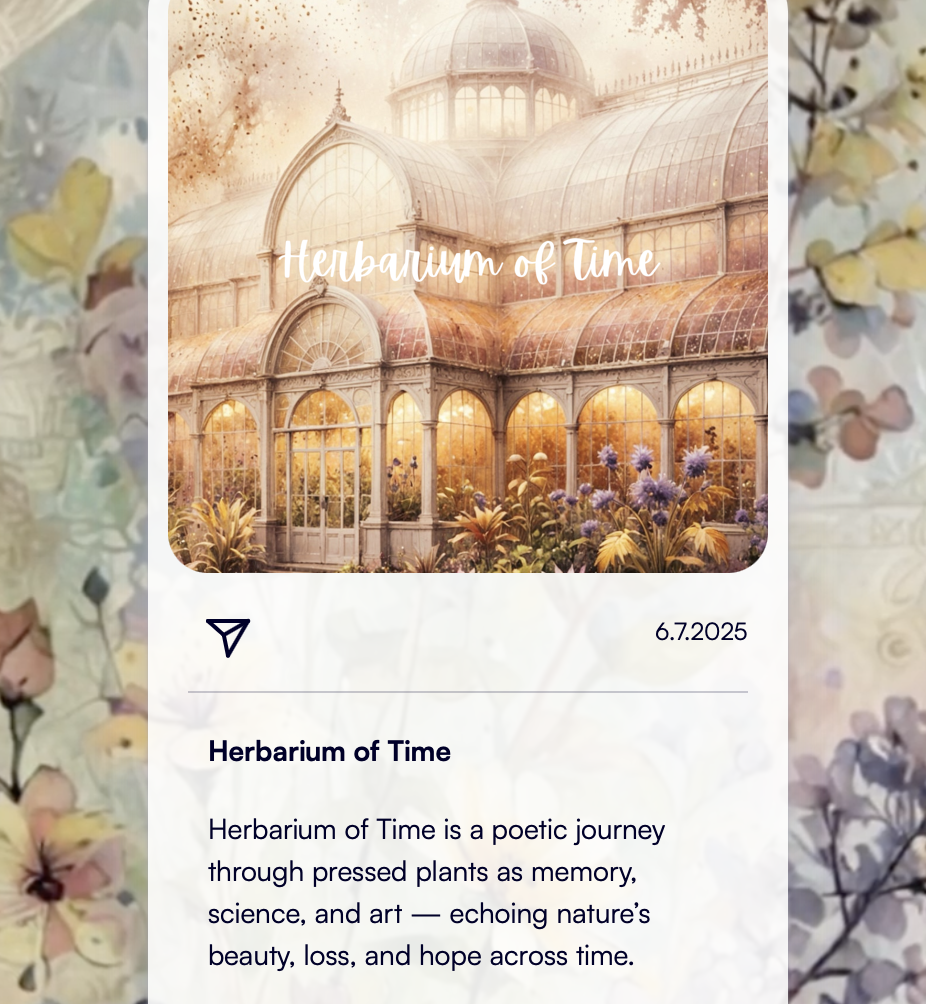
The Art exhibition Herbarium of Time is divided into seven chapters explained further below.
Explore the virtual exhibition with the support of our AI powered Art Reflection Guide
Experience the exhibition with the Novisali Art Guide as your guide. Gain deeper insights into the themes and uncover personal reflections as you engage with the artwork.
The Art exhibition Herbarium of Time’s seven chapters:
Chapter 1 – Origins: The First Press | The Flowers
“Before the microscope, there was a page, and on that page, a pressed petal of wonder.” Shows the artworks Herbarium in Time I – V
Chapter 2 – Expansion: Pressed Across Continents | The Botanical Maps
“Petals pressed between pages carried continents home.”
Shows the artworks Herbarium in Time VI – XII
Chapter 3 – Memory: The Gentle Archivist | The Violets
“Every girl had her flowers; every flower, her unspoken verse.”
Shows the artworks Herbarium in Time XXVI – XXXI
Chapter 4 – Witness: The Archive Speaks | The Archive Split
“Pressed in stillness, they speak of change.”
Shows the artworks Herbarium in Time XXXII – XXXV
Chapter 5 – Extinction: Ghost Gardens | The Ashes
“Some gardens no longer grow — but their shadows remain, pressed in time.”
Shows the artworks Herbarium in Time XXI – XXV
Chapter 6 – Reimagination: Renaissance Gardens | The Digital Petals
“We can press with pixels — and still we remember.”
Shows the artworks Herbarium in Time XIII – XX
Chapter 7 – Future: The Living Archive | The Glitter
“Each page we press is a seed for someone else to find.”
Shows the artworks Herbarium in Time XXXVI – XLV
References:
Ebers Papyrus Medical Text
For Ancient Egyptian Pharaohs, Life Was a Banquet, But the Afterlife Was the Greatest Feast of All
Shroud and Flower Garlands on Upper Part of Tutankhamun’s Second Coffin
About Luca Ghini
Herbarium History
Herbarium History and Modern Uses
Botanical Links to future
Kew Herbarium – one of the world larges botanical archives
Global Scale of Herbaria from Herbarium curators
Global meta-analysis shows that threatened flowering plants have higher pollination deficits
Leaf fossil reveals an ancient green highway across India
About Carl Linneus from Uppsala University
Linnean Online at the Linnean Society
About Bergianska (Bergius) Botanical Garden
About the origin of Bergius Garden and the Bergius brothers (apprentecies to Linne) (in Swedish)
On the colonial legacy of botanical collections
A time machine for Botanists from University of Gothenburg
Swedens virtual Herbarium
Global Biodiversity Information Facility
Global Plants
Smithsonian US Botany Collection
The history of Botanical Art and Illustration
Japanese Kachiga poetry and art
Language of flowers
“To Grow to Greenness and Renown”: Female Botanists and Botanical Illustrators from Tulane University
Botanical Illustrations by Elizabeth Haig
Hilma Af Klint What Stands Behind the Flowers, Exhibition at MOMA
About Swedish Artist Hilma af Klint
Hilmas interst in spiritual beliefs and theosphy by Guggenheim Museum
Theosophy
Anthroposophy
Theospohy and visual arts
Theospohy and arts
Theosophyart
The Living Encyclopedia: Large Nature Model
About Dataland Museum
Minidocumentary Biome Lumina
Herbaria by Debora Hirsh at Hutchinson Modern & Contemporary
About Novisali
Novisali, (alias Liselotte Engstam), is besides her roles as professional board member and advisor, a multi-media artist, with a curious, explorative mind and an ambition to learn and extend art experiences to current and new audiences using both traditional and new digital mediums. More information and exhibitions can be found via Novisali.com
This blog post was is also shared at the blog of www.liselotteengstam.com, with the artist name Novisali.