
(Texten på Svenska HÄR)
In our hyper-connected and often overwhelming world, it’s easy to feel an increasing disconnection from nature. Screens replace landscapes, and digital signals drown out the song of birds. Yet within us all lies a deep, often unconscious longing to reconnect—not to something new, but to an ancient harmony: a timeless kinship with the planet and all living things.
From Separation to Belonging
This is not about escaping reality, but about enriching it. When we become attentive observers, we see the world not as a backdrop to our lives, but as a complex, living web of which we are an inseparable part. To see in this way is a quiet yet heartfelt responsibility—an invitation to become guardians of what we love and wish to pass on.
Nature’s own stories are filled with ingenuity and resilience: a black woodpecker finding food deep within a tree, a beetle navigating by the stars. These moments remind us that problem-solving is not uniquely human, and that obstacles are a natural companion in all life. They also invite us to slow down, to shift from seeing nature as scenery to experiencing it as a teacher.
The key to this rediscovery is rarely found in grand expeditions or lengthy intellectual pursuits. It lives in the still moments—the flash of a fox’s tail disappearing into the undergrowth, the unwavering presence of an ancient oak, the tender gaze of a beloved animal. Here, in presence, blooms a deep, magnetic joy in simply being.
Throughout history, naturalists have shown us that animals carry an intelligence and secret knowledge we are only beginning to glimpse. Their memory, their foresight, their care—all speak of a rich inner life. This quiet wisdom is passed down like an invisible thread through generations, woven into the very fabric of time. To acknowledge this challenges human pride and opens us to a deeper reverence for other species—these invisible guardians of life’s cosmic pattern.
Finding our place in the wild is, at its heart, an act of de-selfing: stepping beyond our own worries and fears to attune to a greater rhythm—the rhythm of life itself. It is to love the simplicity of earthly existence and to find beauty in the delicate impermanence of all things. Here, in communion with nature, we find not only peace. We find an ineffable joy—a reminder of what it truly means to be alive.
Active Hope in a Living World
But in these times—when environmental loss and climate change are no longer distant warnings but lived realities—this communion must also become a foundation for hope. Not the vague, wishful kind of hope that waits for someone else to act, but an active, evidence-based hope: a hope grounded in what is real, in what is already working, and in our own capacity to contribute to change.
Nature itself offers the proof. Ecosystems do recover. Forests do regenerate. Species do return. When we look closely, we see that renewal is not an exception—it is the rule of life, repeated in countless forms. These “bright spots” anchor us, reminding us that decline is never the whole story.
Active hope invites us to work with the same principles nature has always used: adaptation, cooperation, persistence. It teaches us to face our fears without letting them harden into despair, to seek out stories of restoration and recovery, and to use our own strengths—whatever they may be—to protect and nurture what we love. It calls us to practice interspecies respect, recognizing agency not only in humans but in animals, plants, and ecosystems, and to lean on supportive communities when courage falters.
There are many dimensions to hope:
- Hope that sparks personal action—believing that what you do matters.
- Hope that fuels societal transformation—connecting awareness with agency to drive change at scale.
- Hope rooted in purpose, regardless of outcome—finding meaning in the act of care itself, even when the future is uncertain.
When we allow the wild to be our guide, these dimensions are not abstract ideals—they are lived realities. In a single migration, a flock of cranes embodies persistence against odds. In the cooperation of a coral reef, countless species create abundance through mutual care. In the regeneration of a burned forest, life returns in quiet, determined waves.

And perhaps most importantly, we can let nature—and the wild animals themselves—be our guardians. In their presence, we see living proof that resilience is possible, that cooperation is powerful, and that renewal is always within reach. From them, we learn to become more hopeful, more courageous, and more deeply alive—carrying their quiet wisdom into how we live, lead, and care for the world.
If we follow their example, our hope will not be a fragile flame easily extinguished, but a living, breathing force—rooted in evidence, sustained by community, and strengthened by our shared belonging to this intricate, astonishing web of life.
In Practice: Weaving Our Own Threads
Hope becomes real when we give it shape in our daily lives. The threads we weave—through choices, rituals, and relationships—become part of a larger tapestry that connects us to the living world.
- Pause and observe: Let the patterns of the natural world anchor your attention—the slow unfurling of a fern, the watchful gaze of a bird, the tide’s steady return.
- Remember and imagine: Keep alive the threads you’ve inherited from those who came before, and spin new ones with care—visions of a world in which both humans and wild places thrive.
- Guard with intention: Be the quiet protector of what matters most, acting not out of fear of loss, but from love for what endures.
- Take guidance from your invisible wild guardian: Imagine the animal whose presence you carry with you—a lynx, an owl, a reindeer—letting its instincts, patience, or courage guide your choices when the path ahead feels uncertain.
By practicing in this way, we join the long lineage of guardians—human and more-than-human—who keep life’s web strong.
References
Archives of joy: Reflections on Animals and the Nature of Being
Jane Goodall Institute
Jane Goodall Hopecast
The lost spells: A Rewilding of the Human Heart in a lyrical illustrated invocation of Nature
How to be Hopeful
The Second Transition podcast – Episode Hopepunk
How to be a happier creature
Art Exhibition – Eyes Woven in Time (Vakande Blickar)
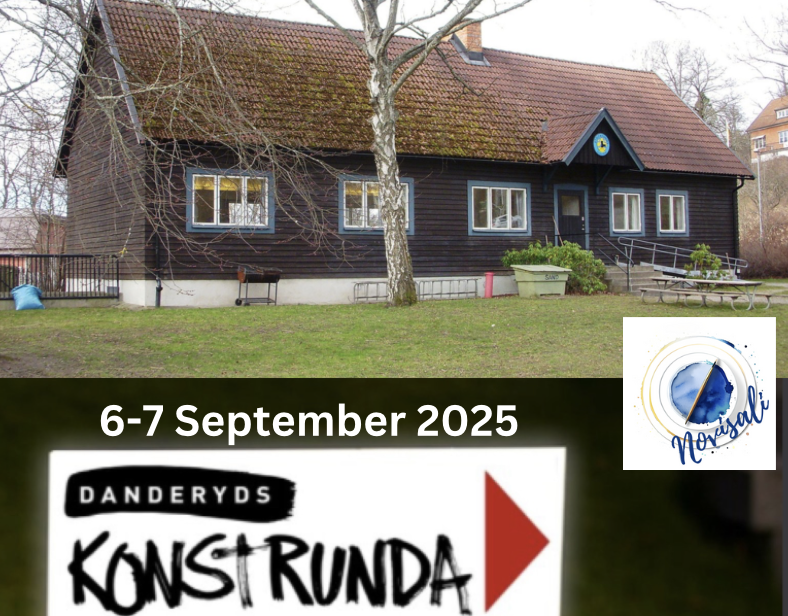
On September 6–7, during the Danderyd Art Trail, you are invited to step into Eyes Woven in Time—a visual journey by Novisali where wild Nordic animals emerge as invisible guardians.
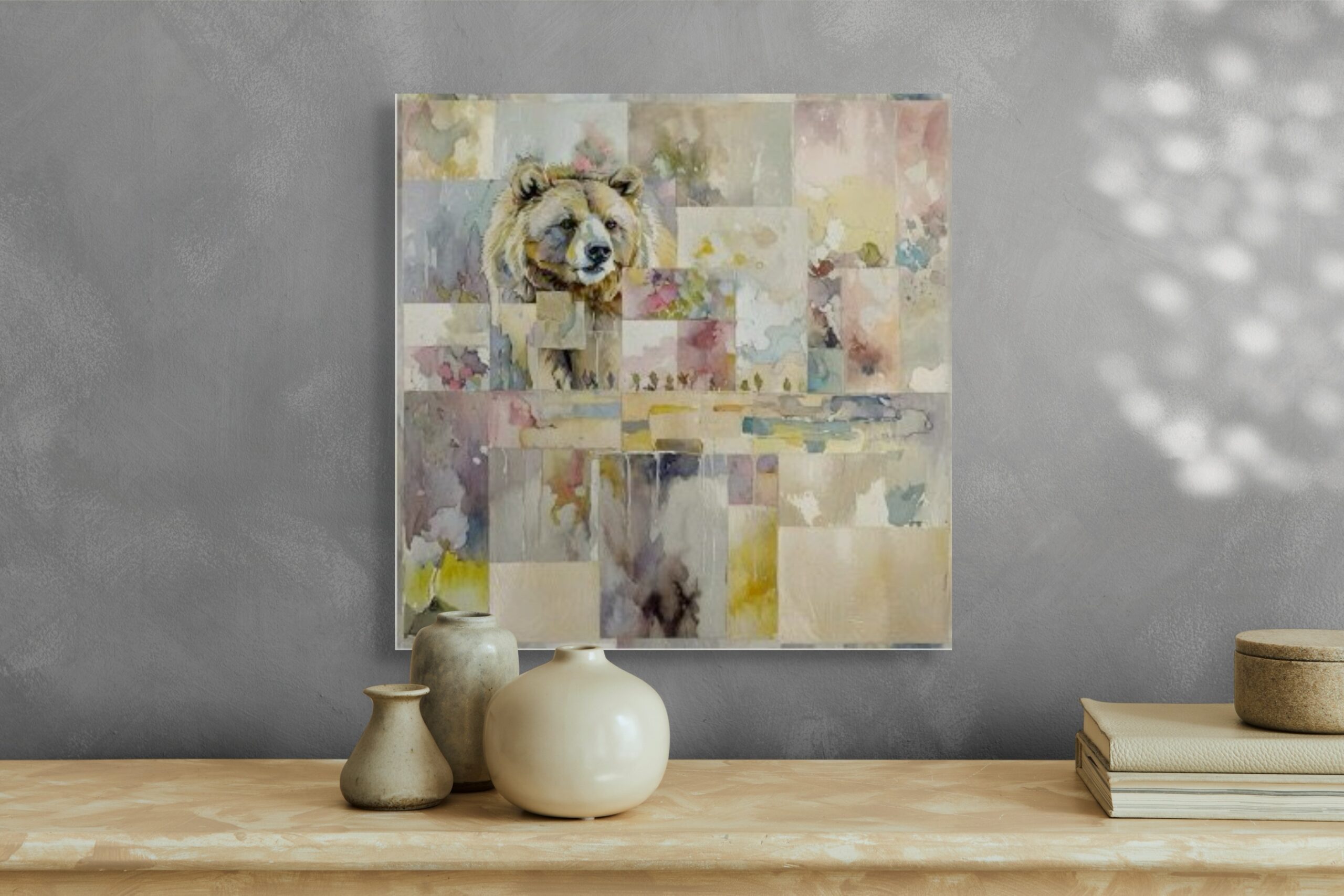
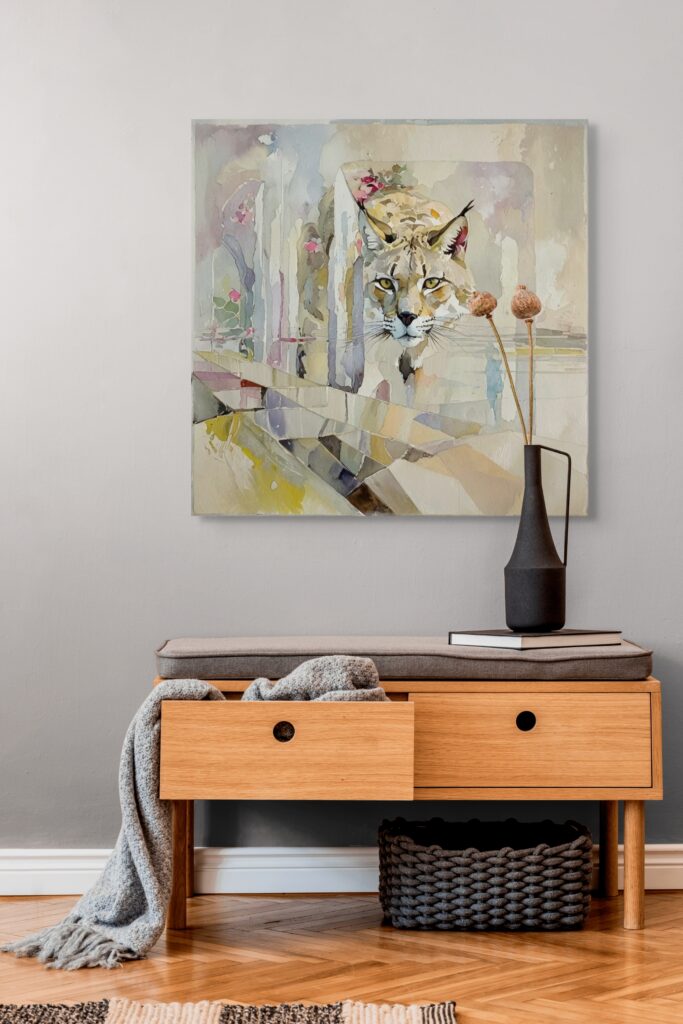
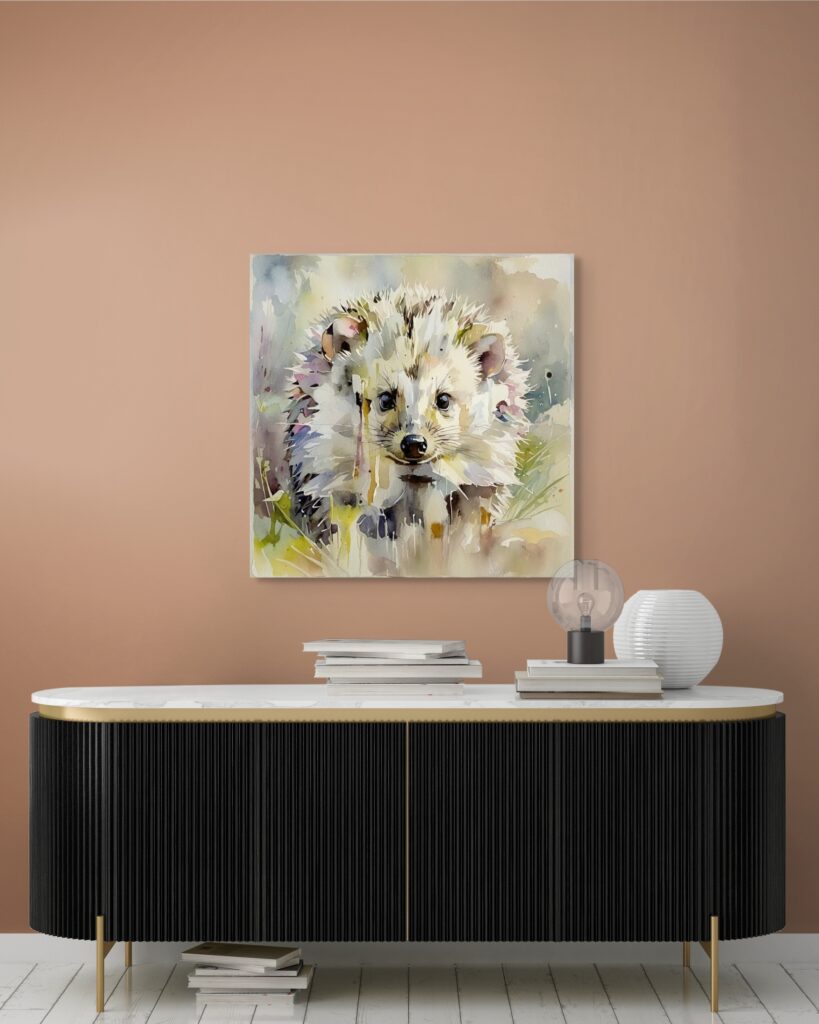
Through layered watercolor and digital transformation, lynx, owls, bears, and reindeer watch quietly from between the worlds, holding time and memory in their gaze. These artworks are an invitation to slow down, reflect, and reconnect with the deeper rhythms of nature—where time, wisdom, and wonder meet in the space between brushstroke and imagination.
Every piece carries its own whisper: a reminder that we are part of something larger, more ancient, and more resilient than we often remember. The works are brought to life on eco-conscious materials—reusable aluminum, natural silk, and plant-based faux suede—merging art with a commitment to the planet they celebrate.
Full program of Danderyds Art Trail: www.danderydskonstrunda.se
Artist digital map: https://lnkd.in/d-qEUqNC
More about the Novisali exhibition: https://bit.ly/3IQ3Db0
Earlier related Stories
About Novisali

Novisali, (alias Liselotte Engstam), is besides her roles as professional board member and advisor, a multi-media artist, with a curious, explorative mind and an ambition to learn and extend art experiences to current and new audiences using both traditional and new digital mediums. More information and exhibitions can be found via Novisali.com
This blog post is also shared at the blog of www.liselotteengstam.com, with the artist name Novisali.