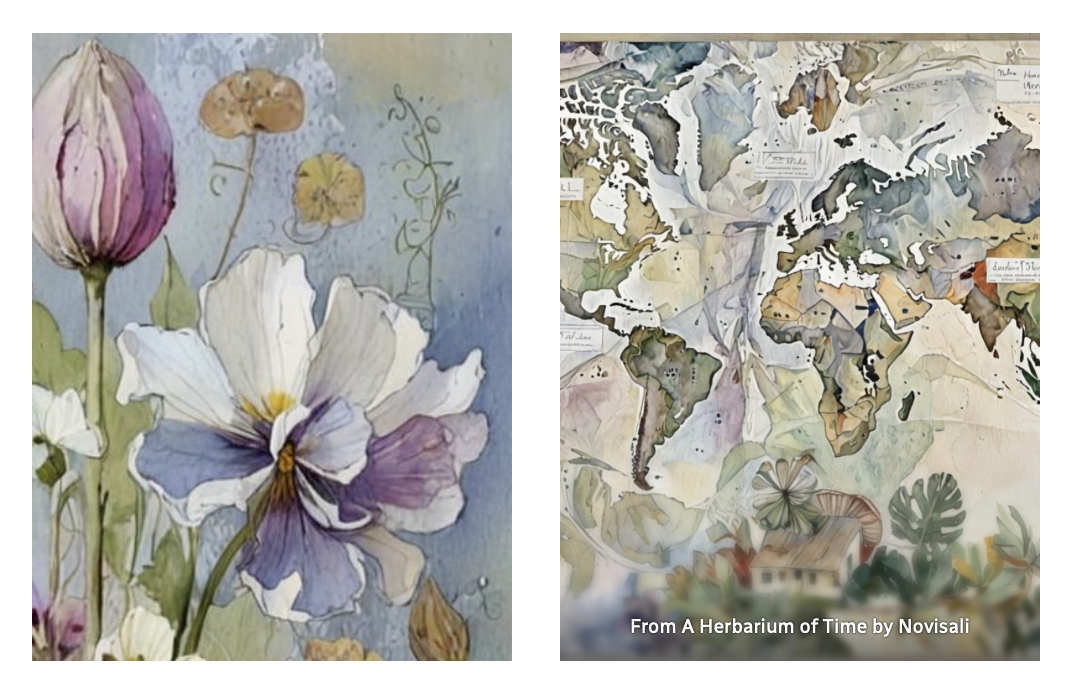
“Sometimes harmony hides in the smallest fold of a leaf.”
The Power of Attention
After exploring shapes, angles, and the hidden patterns that hold the world together, I now move closer — into the intimacy of details.
To move close is to listen. The nearer we come, the more infinite things appear. Pigment becomes terrain, a shadow turns into structure, a reflection reveals rhythm.
Both in art and leadership, this is a dance of distance — zooming in to sense what is truly present, zooming out to see where it belongs.
Each shift of focus changes what we perceive, yet both are needed to understand the whole.
Balance begins when attention becomes movement.


The Language of Balance and Symmetry
Balance is not stillness — it is a quiet motion, barely seen.
Symmetry, its companion, reflects the way one side listens to another.
In nature, these principles appear everywhere: butterfly wings that mirror without perfection, petals that align along invisible axes, water that reflects the world yet wavers with the wind.
Life, like art, thrives on imperfect symmetry.
To sense balance is to recognize that harmony often hides in difference — that a system, a painting, or a team breathes through the tension between its parts.
True balance is relationship — the dialogue that keeps things alive.
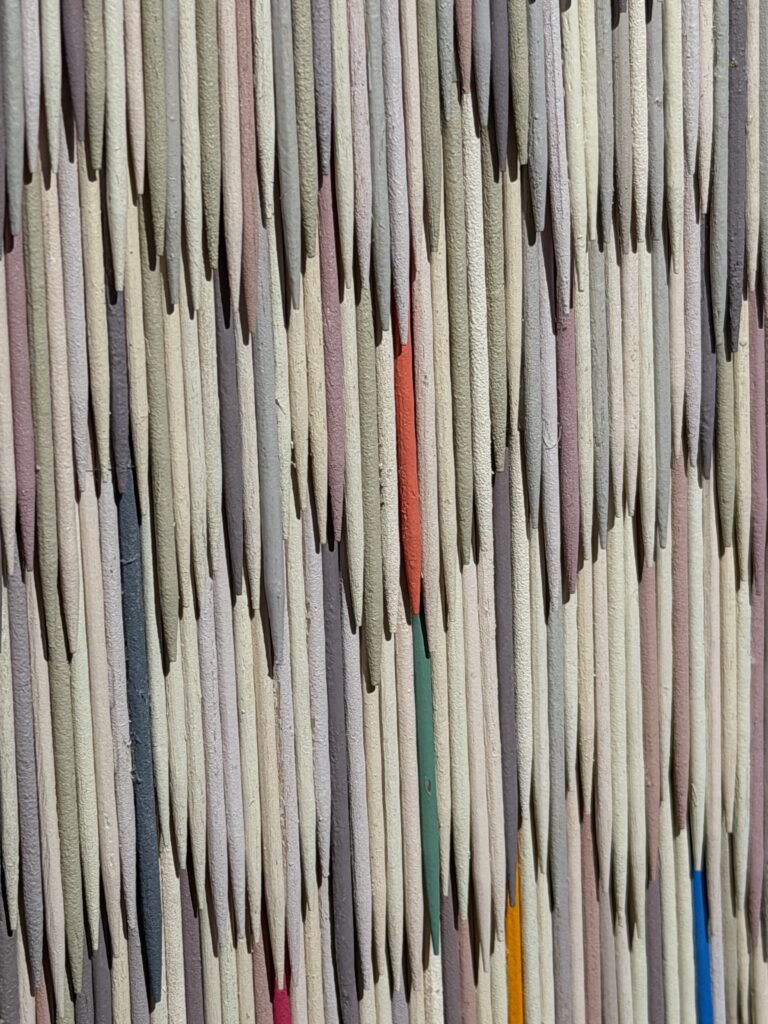
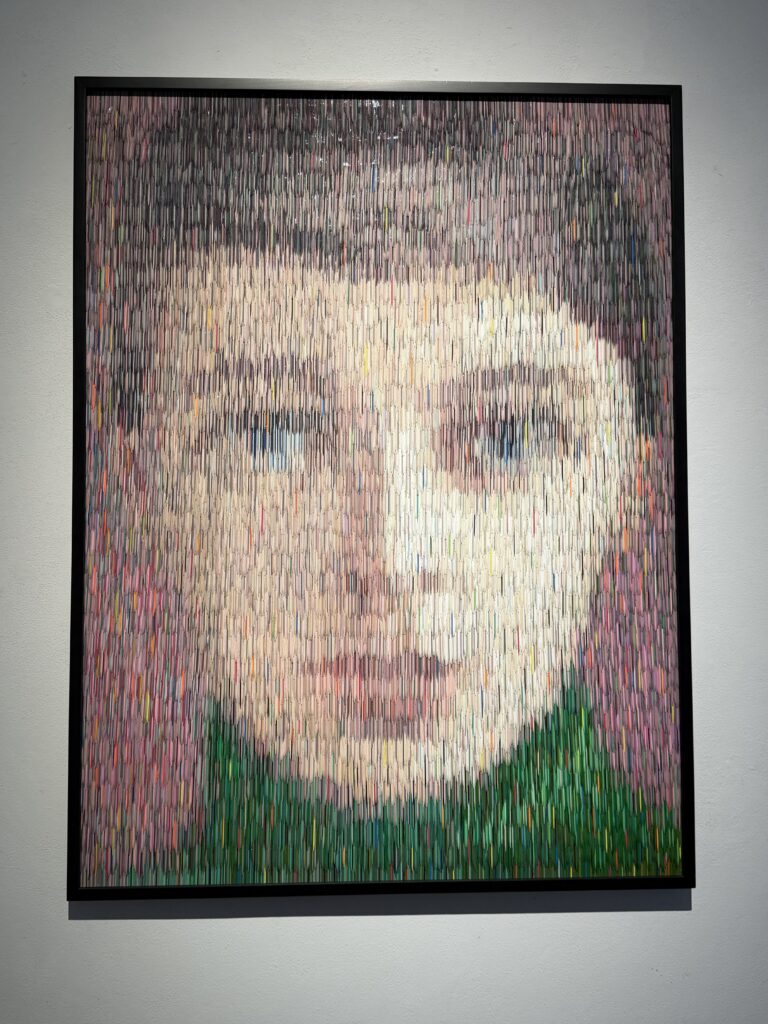
Zooming In — The World Within the World
When I create, paint or photograph closely, the world expands.
A grain of pigment disperses like a galaxy. A fibre of paper carries the memory of a tree.
Form dissolves into essence, and new symmetries reveal themselves: the curve of colour echoing an unseen arc, the texture of metal meeting the softness of light.
In leadership, the same applies. As the Thinkers50 “Zoom In, Zoom Out” essay describes, great leaders navigate both the micro and the macro — seeing not just the task, but the person; not only the report, but the rhythm beneath it.
Zooming in is not control — it is care, a kind of presence.
To zoom in is to meet reality from within.
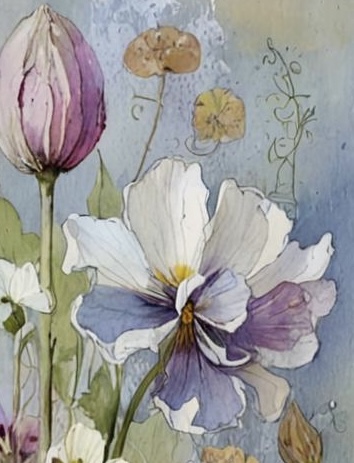
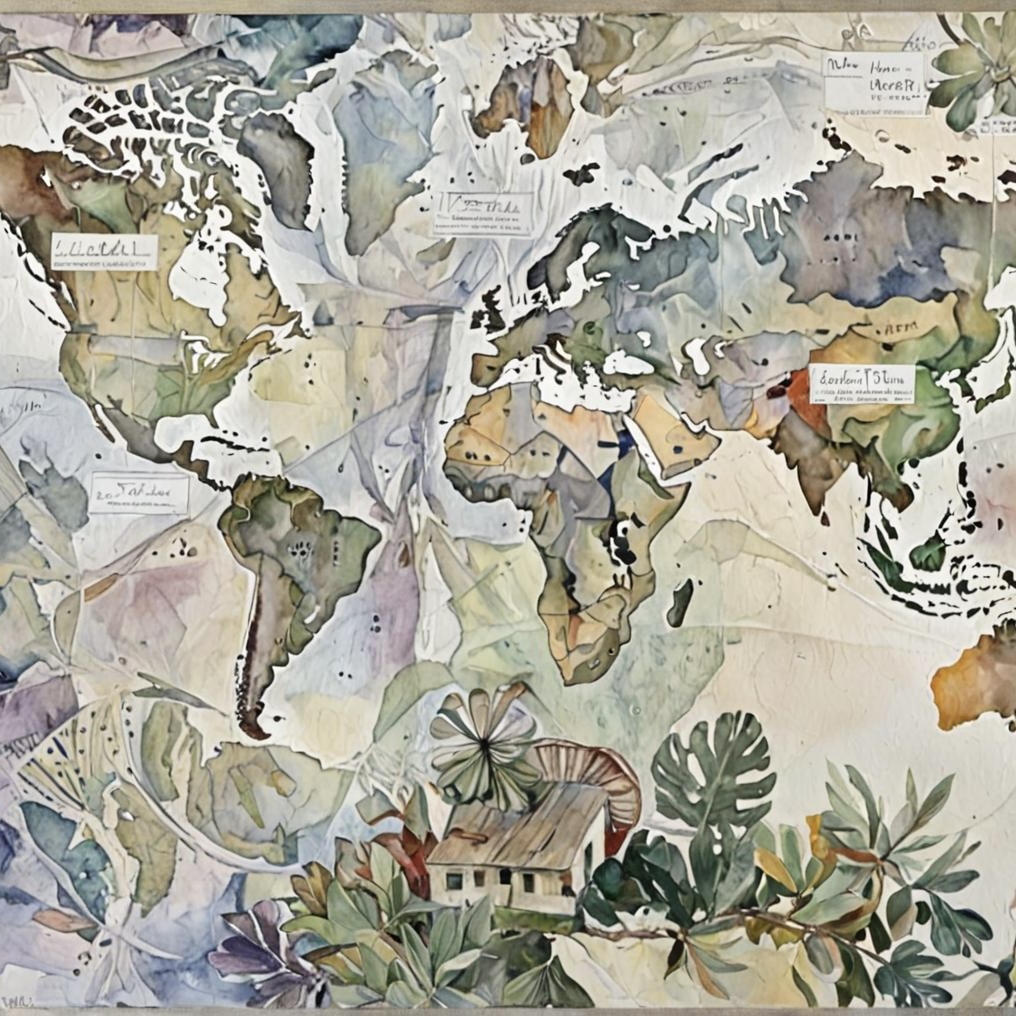
Zooming Out — Seeing the Larger Pattern
Then comes the moment to step back.
What once felt infinite becomes a fragment of a larger composition — a note within a wider harmony.
In art, this means feeling the whole through proportion and flow.
In strategy, it means sensing how each detail connects to culture, context, and time.
And in our digital world, trust requires this same rhythm — the ability to move between the human and the systemic.
The World Economic Forum’s “Seven Ps of Digital Trust” captures this balance beautifully:
- Zoom in to the human side — Personalization, Perception, Protection.
- Zoom out to the ecosystem — Proficiency, Provenance, Payment, Prevalence.
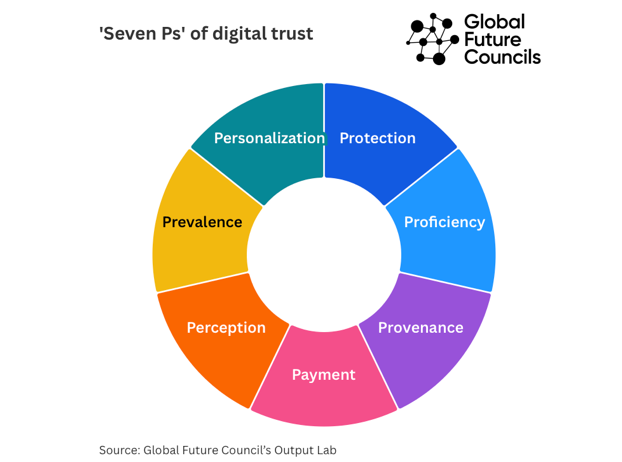
Together, they describe a symmetry between individual experience and collective responsibility — between intimacy and infrastructure.
Just as art needs both pigment and perspective, trust in an AI age depends on both detail and design.
Trust, like balance, is built in motion — between nearness and vision.
The Rhythm of Seeing and Sensing
Ellen MacArthur once shared how, at sea, she learned to “zoom in” on each wave while “zooming out” to navigate her route across the world.
That rhythm — attention shifting between the immediate and the infinite — is what connects art, leadership, and trust.
In creating or painting, I work one step at a time, yet the horizon remains in mind.
In boardrooms, leaders weigh single decisions while holding entire futures.
And in our digital landscapes, every algorithmic choice ripples into culture and confidence.
The work — whether artistic or strategic — is not about control but about connection.
The balance of detail and distance is the essence of foresight.

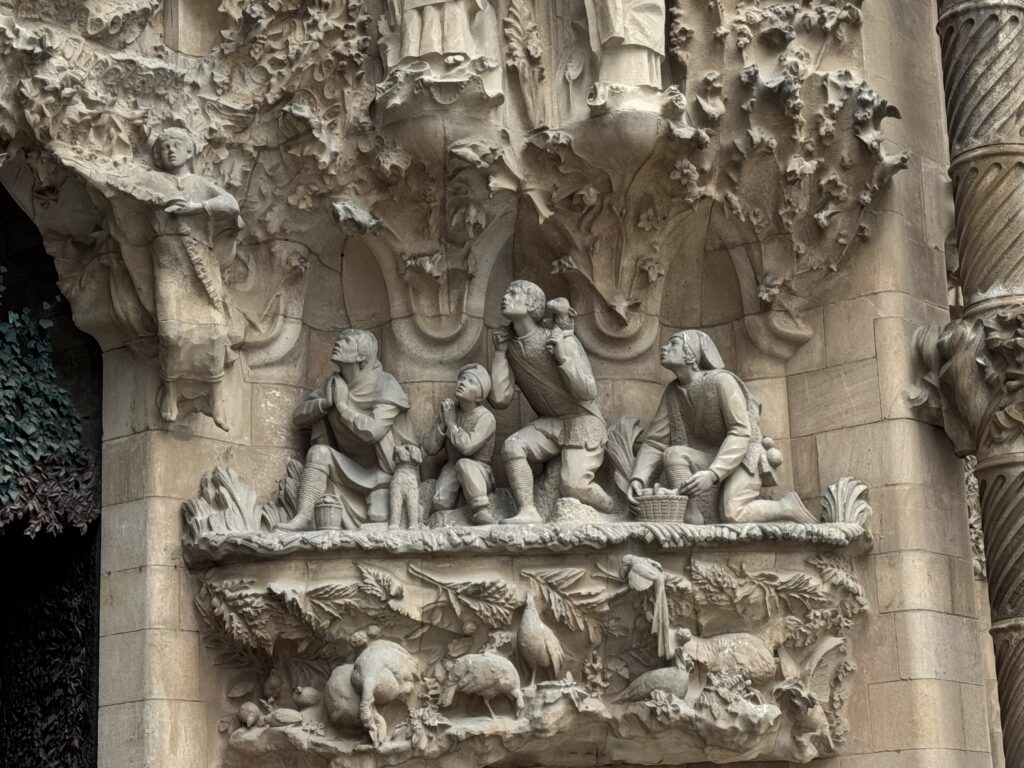
Compositional Balance — Practicing the Art of Equilibrium
Every artwork is a rehearsal for harmony.
The brush finds its rhythm, the colour its counterweight, and the hand learns to listen more than it moves.
When I compose, I often start with symmetry — a repeated line, a mirrored hue — and then disrupt it, letting imbalance bring life.
That same principle shapes effective leadership and digital design: stability requires movement, and trust requires flexibility.
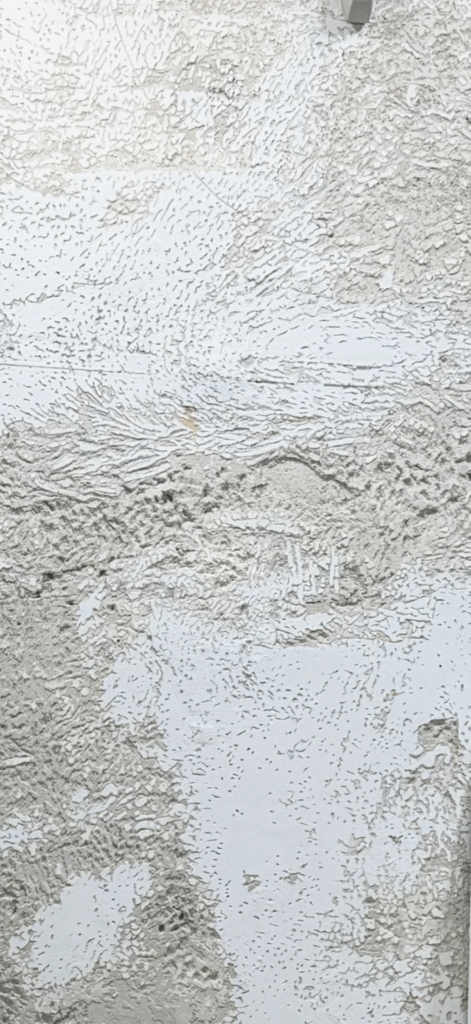
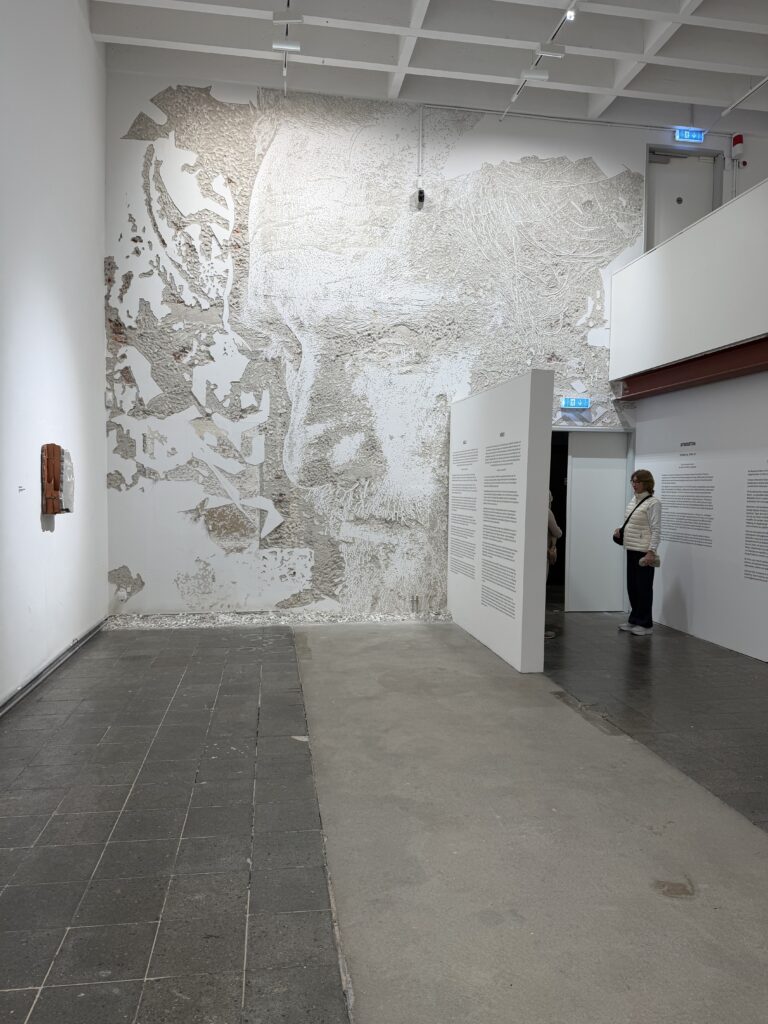
Try this:
Observe something ordinary — a leaf, a building, a person’s face.
Zoom in on its smallest detail. Then step back and notice how it belongs to a larger pattern.
Balance is not a point to reach, but a practice to sustain.
Gallery — The Balance Between Worlds
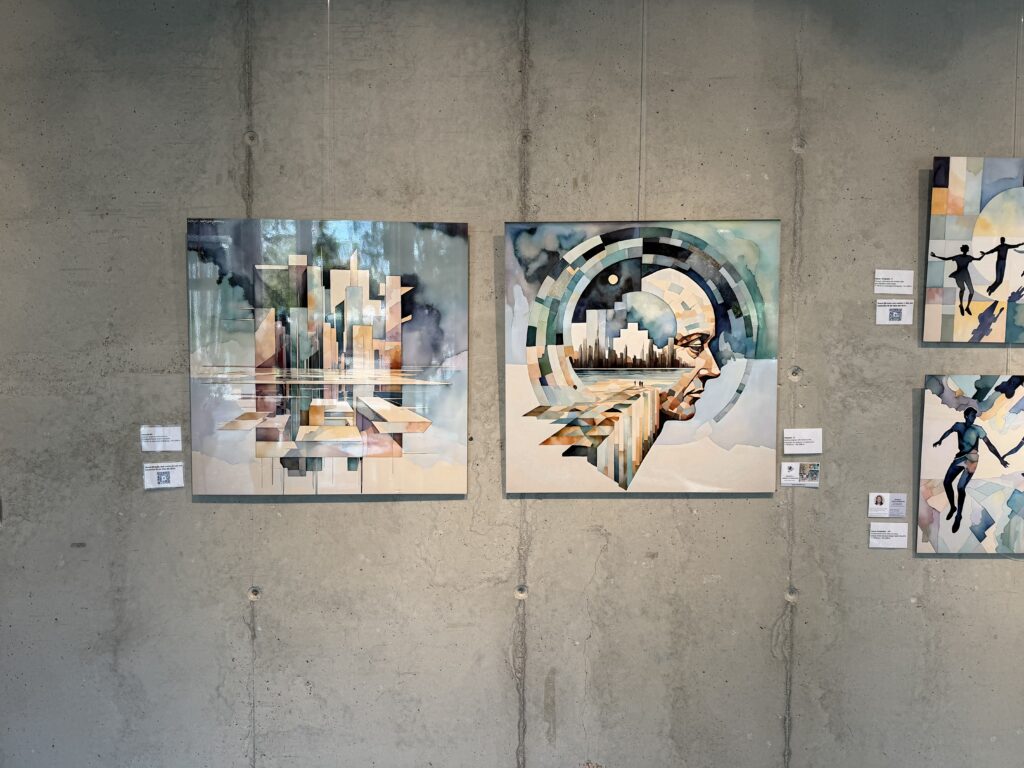
Each image and artwork in this gallery explores how closeness and distance create dialogue — how symmetry, texture, and light reveal hidden harmonies when we shift our gaze.
Details that Speak in Silence
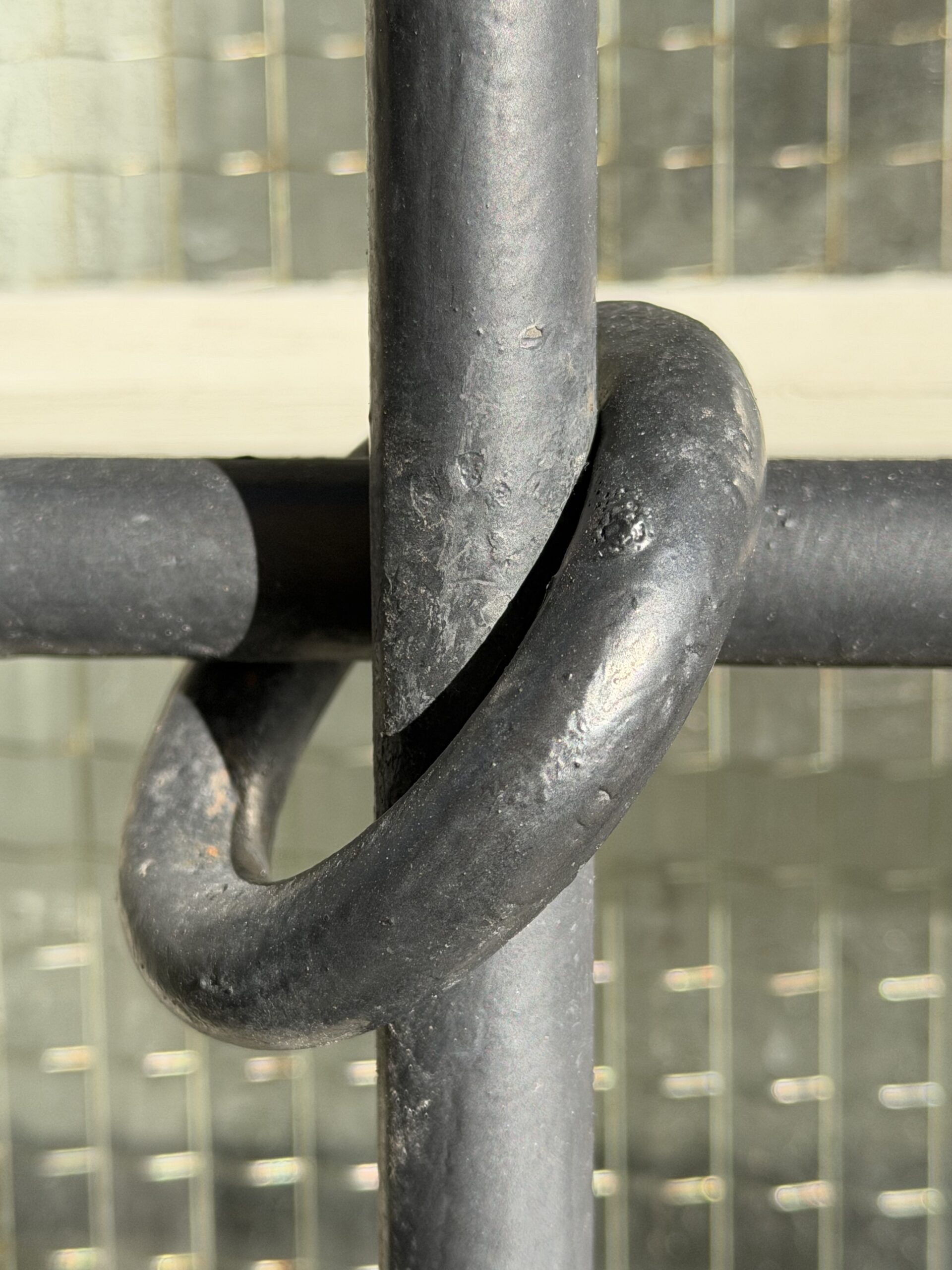
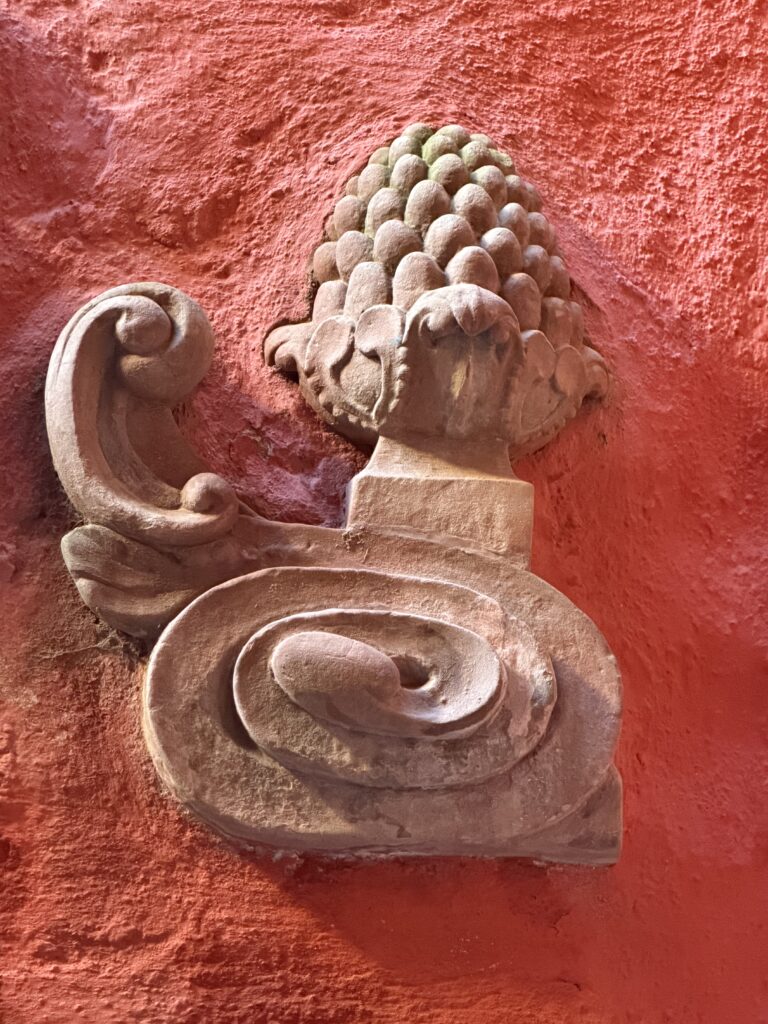
- The iron loop clasping a vertical bar — strength meeting alignment.
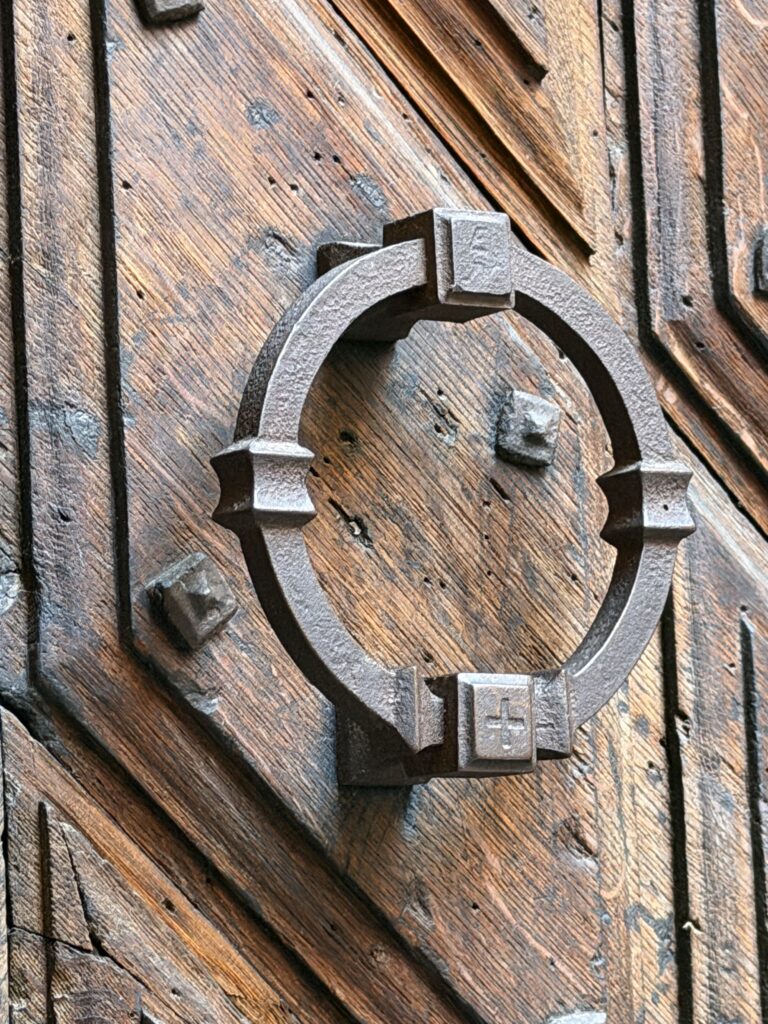
- A metal handle against weathered wood — the quiet precision of craft.
- A stone ornament curling against a red wall — motion held still.
Zoom in: each mark holds memory. Each surface whispers of time and purpose.
Compositions of Balance
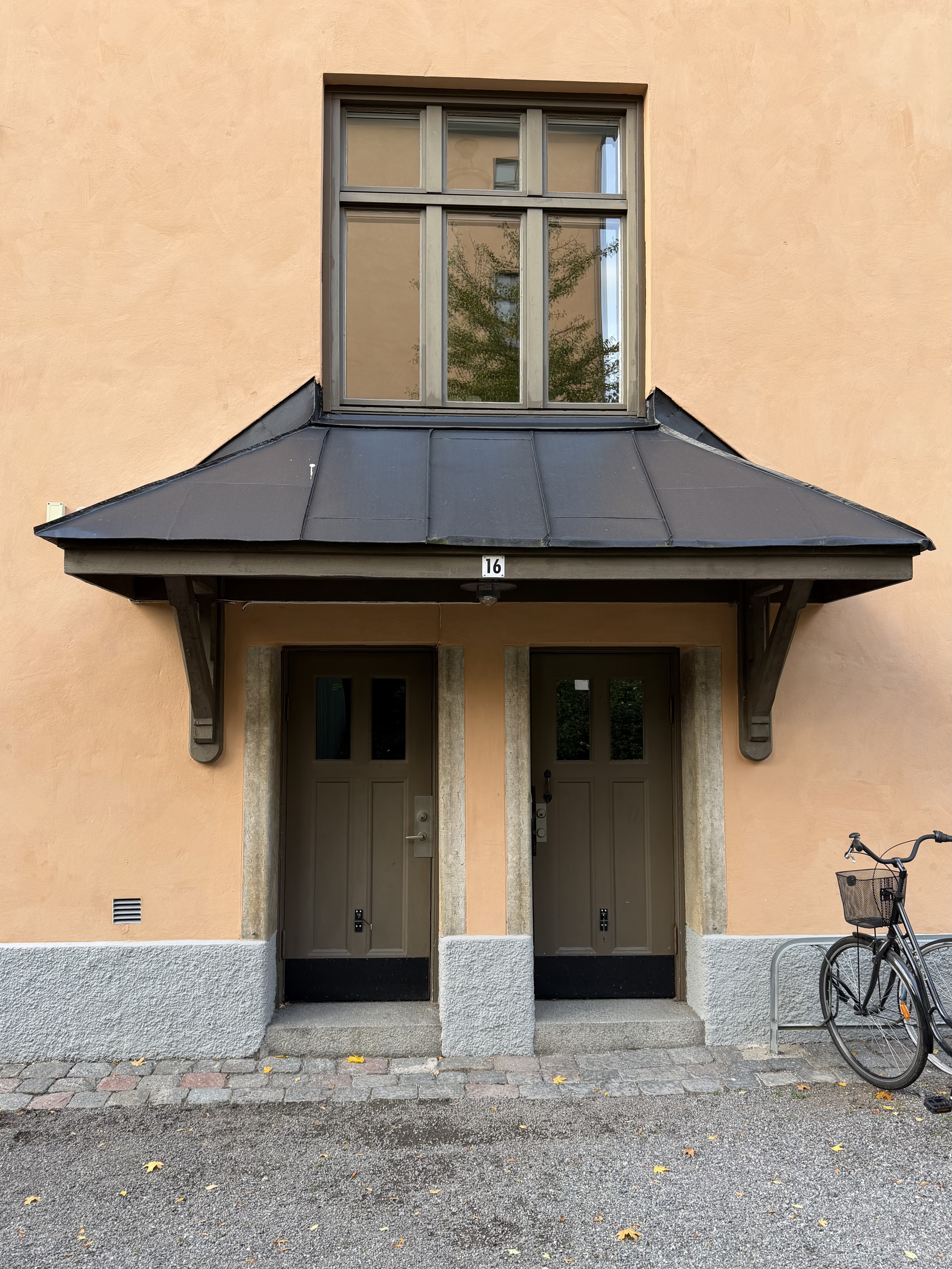
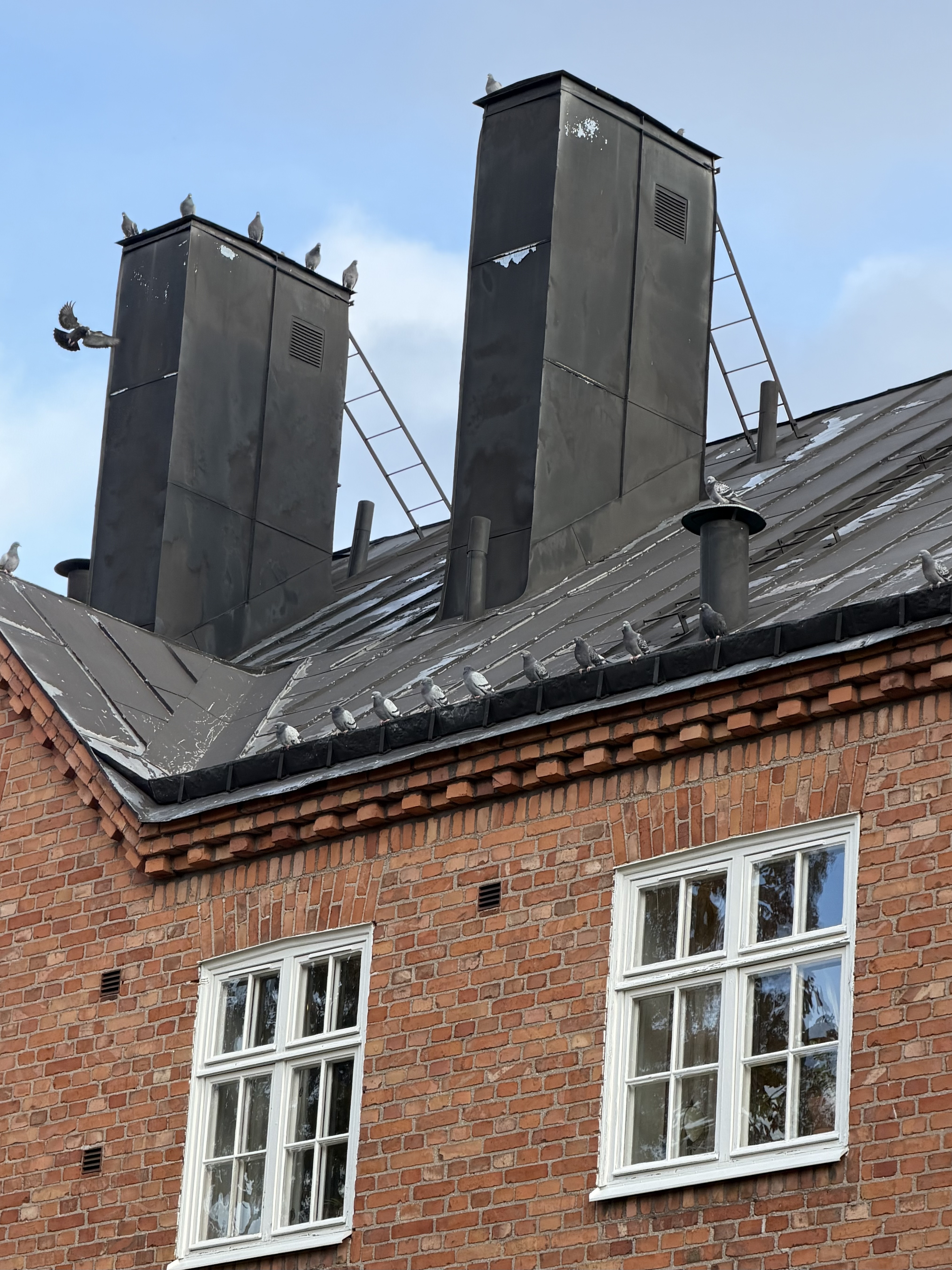
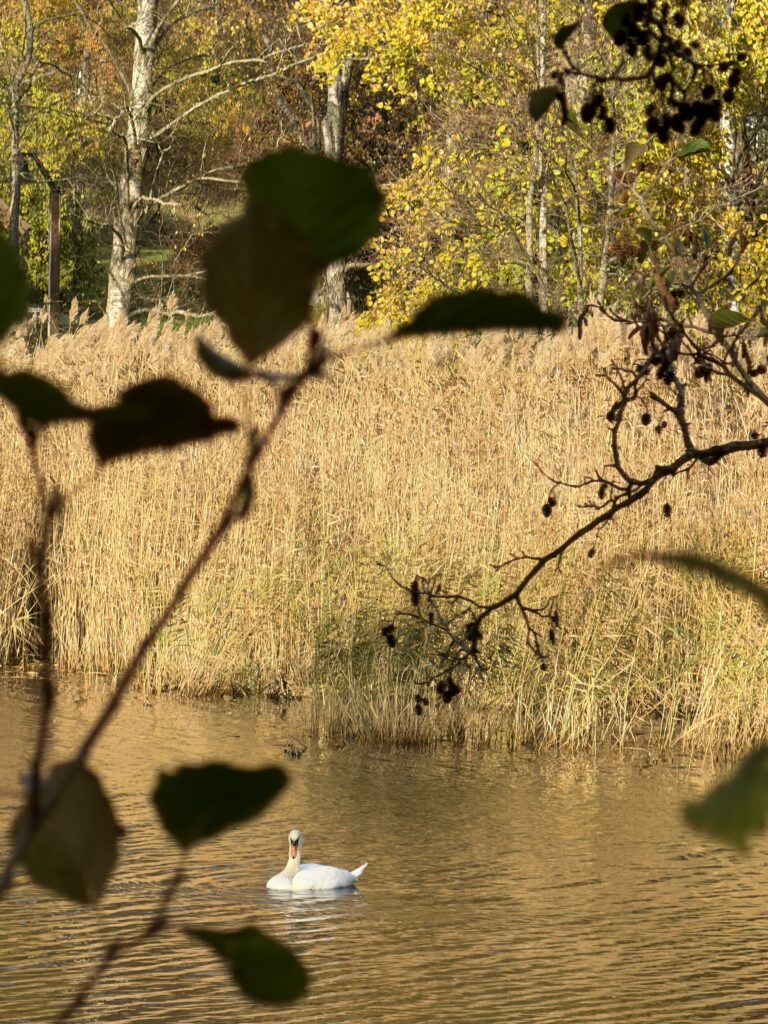
- Two doors mirrored by a single bicycle — human presence grounding architecture.
- Twin chimneys surrounded by pigeons — a fleeting, living geometry.
- A swan framed by autumn branches — stillness mirrored in reflection.
Zoom out: balance is attention between what’s framed and what’s free.
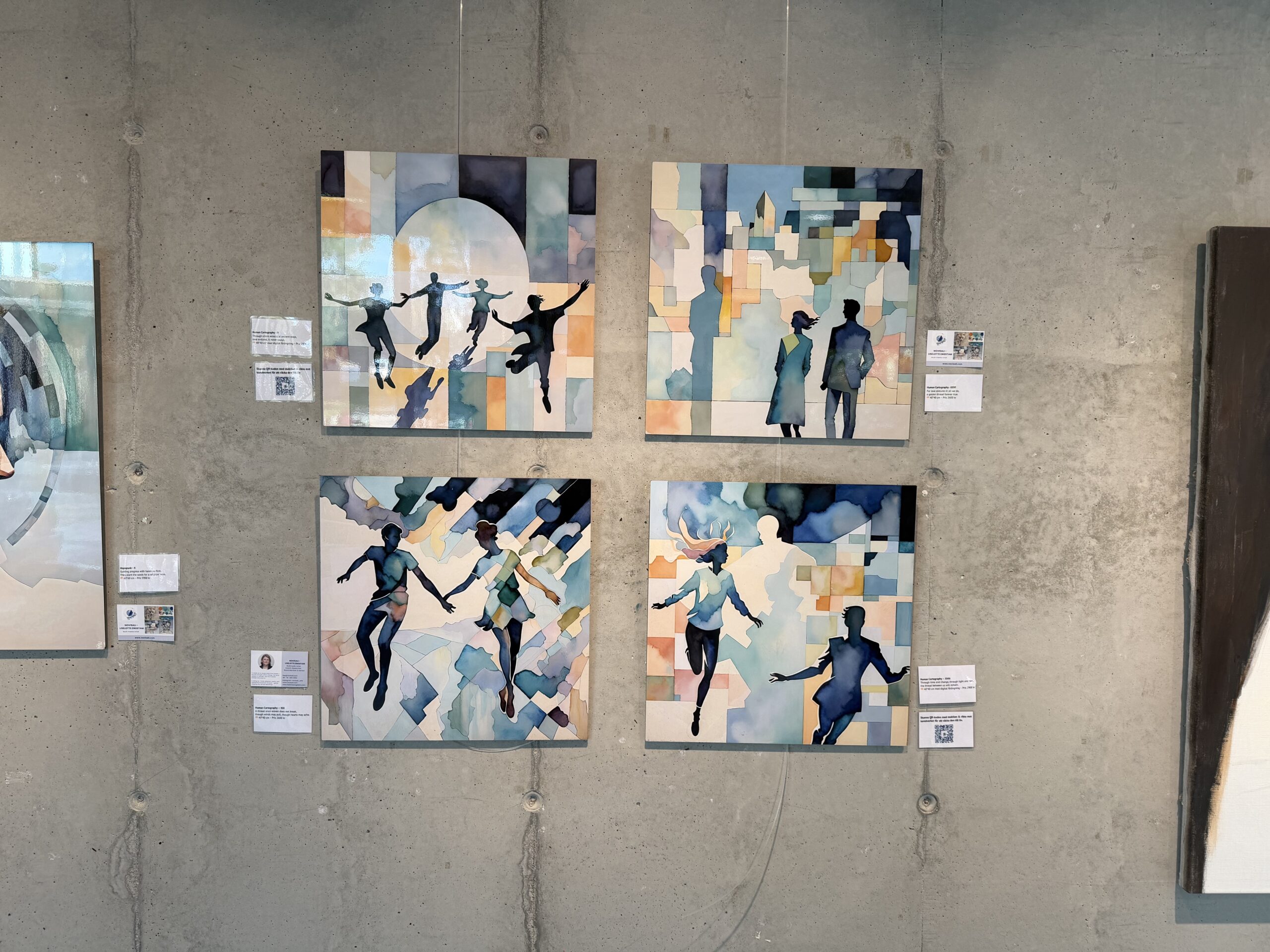
Human Patterns — Maps of Togetherness
Figures dance between light and colour, between symmetry and flight — belonging and becoming.
The series reminds us that balance is not found in perfection but in shared motion, in how we move together through uncertainty.
Reflection and Invitation
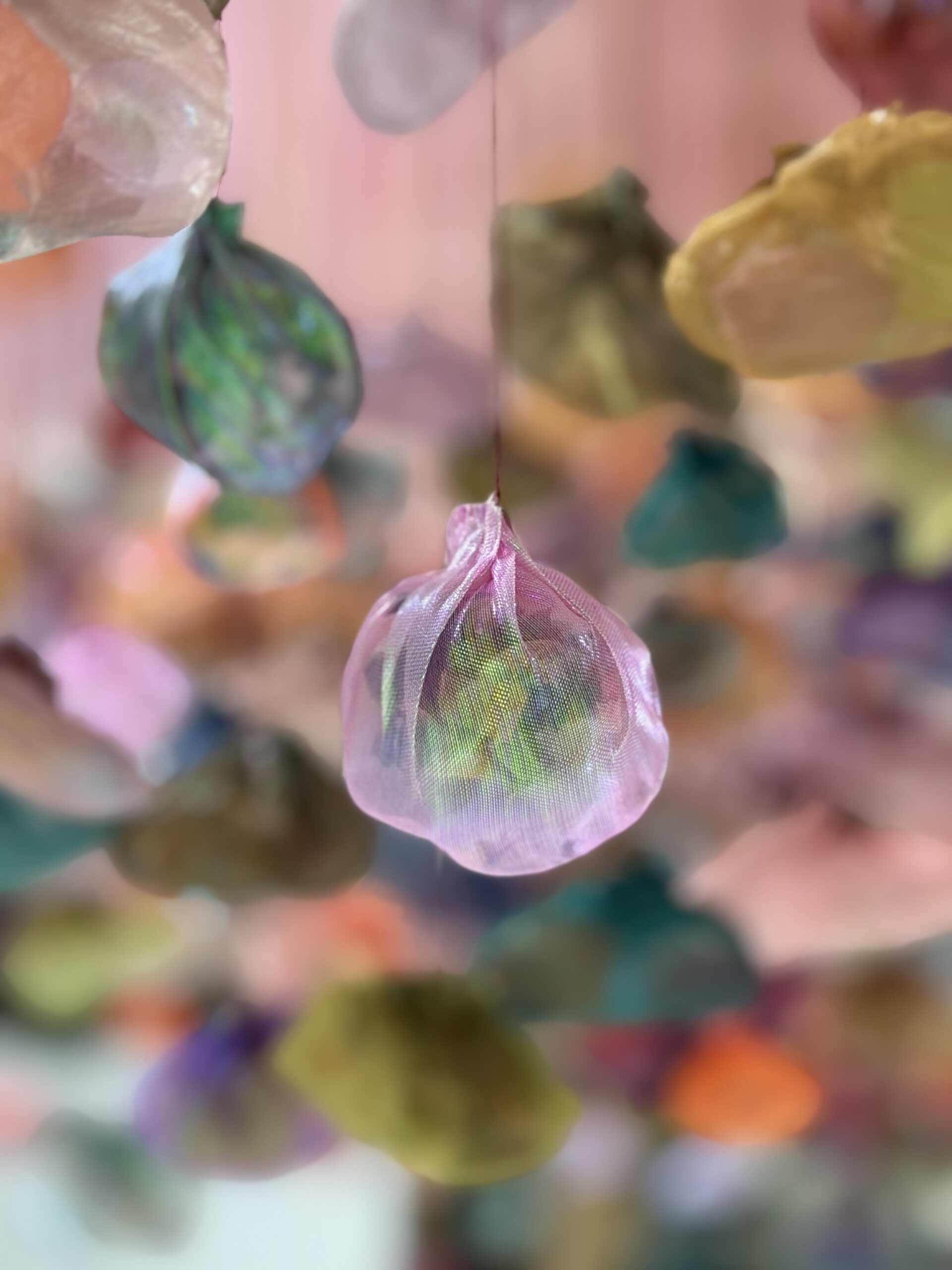
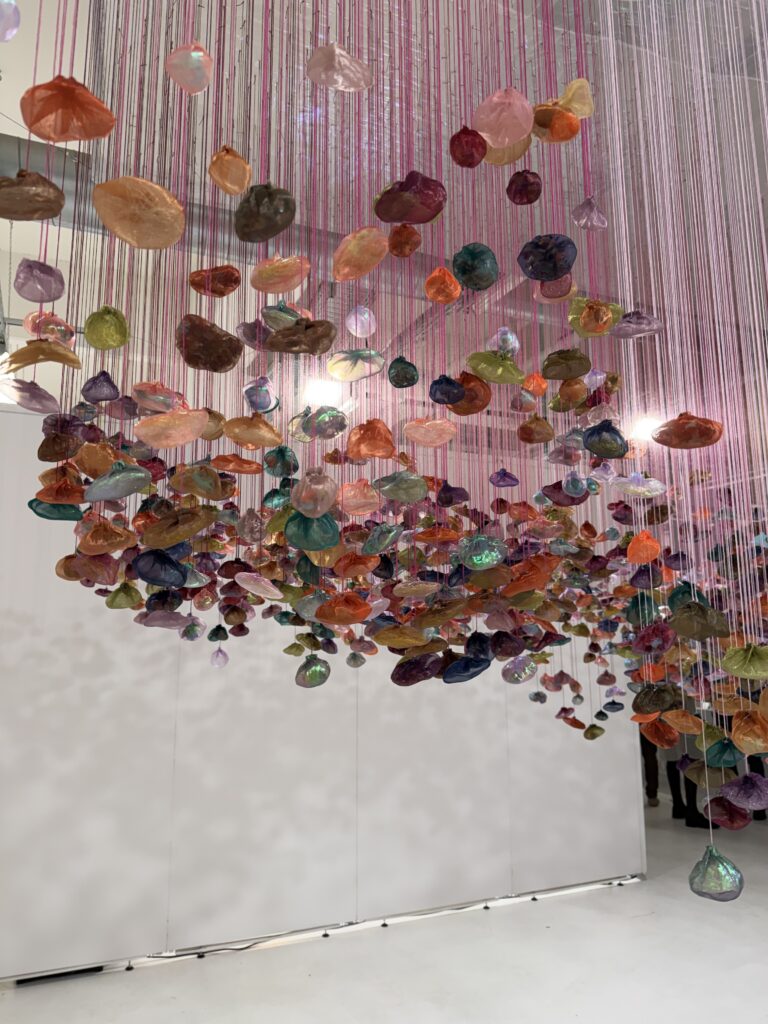
Look closely. Then step back.Notice how harmony shifts — not only in the image, but within yourself.The balance between detail and distance, precision and presence, is where new meaning begins.
It is where leadership, creativity and trust align – not as fixed points, but as living relationships.
Where in your life are you too zoomed in? Where are you too zoomed out? What shifts when you change the lens — and begin to trust the rhythm between them?
References
- Thinkers50: Zoom In, Zoom Out — on the art of toggling between detail and horizon in leadership.
- World Economic Forum (2025): Securing a Digital Future: Cyber Resilience and Trust in the AI Age — introducing the Seven Ps of Digital Trust.
Art Exhibition – Maps of Togetherness
Novisali is exhibiting Maps of Togetherness together with fellow artists from Danderyds Konstrum at Församlingens Hus Danderyd (Angantyrvägen 39, Djursholm) from October 17– November 2, 2025. Opening hours are weekdays, 9 AM–4 PM, and Sundays 12.30-2PM. On October 31 and November 1 and 2 the exhibition is open 12-19. Come and meet us on Saturday and Sunday, and take an afternoon coffee. Welcome to experience the works of Novisali and other artists – in togetherness.
Read more: Novisali art exhibition
Related Blogposts
Angles – The silent Shift of Perspectives
Patterns and Forms – The hidden language around us
About Novisali
Novisali, (alias Liselotte Engstam), is besides her roles as professional board member and advisor, a multi-media artist, with a curious, explorative mind and an ambition to learn and extend art experiences to current and new audiences using both traditional and new digital mediums. More information and exhibitions can be found via Novisali.com
This blog post is also shared at the blog of www.liselotteengstam.com, with the artist name Novisali.